The European Union is preparing another sanctions package on Russia, extending a pressure campaign that has become one of the West’s main economic weapons since Moscow annexed Crimea in 2014 and later launched its full-scale invasion of Ukraine.
EU prepares new Russia sanctions package
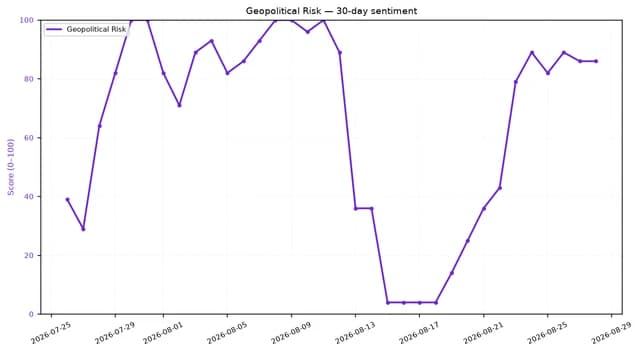
The move matters because sanctions have shifted from being a diplomatic symbol to a structural feature of the global economy, reshaping trade flows, energy markets, defense spending and capital allocation. They have also become increasingly intertwined with higher-for-longer borrowing costs and volatile oil prices, making the Russia conflict a continuing source of macro risk well beyond the battlefield.
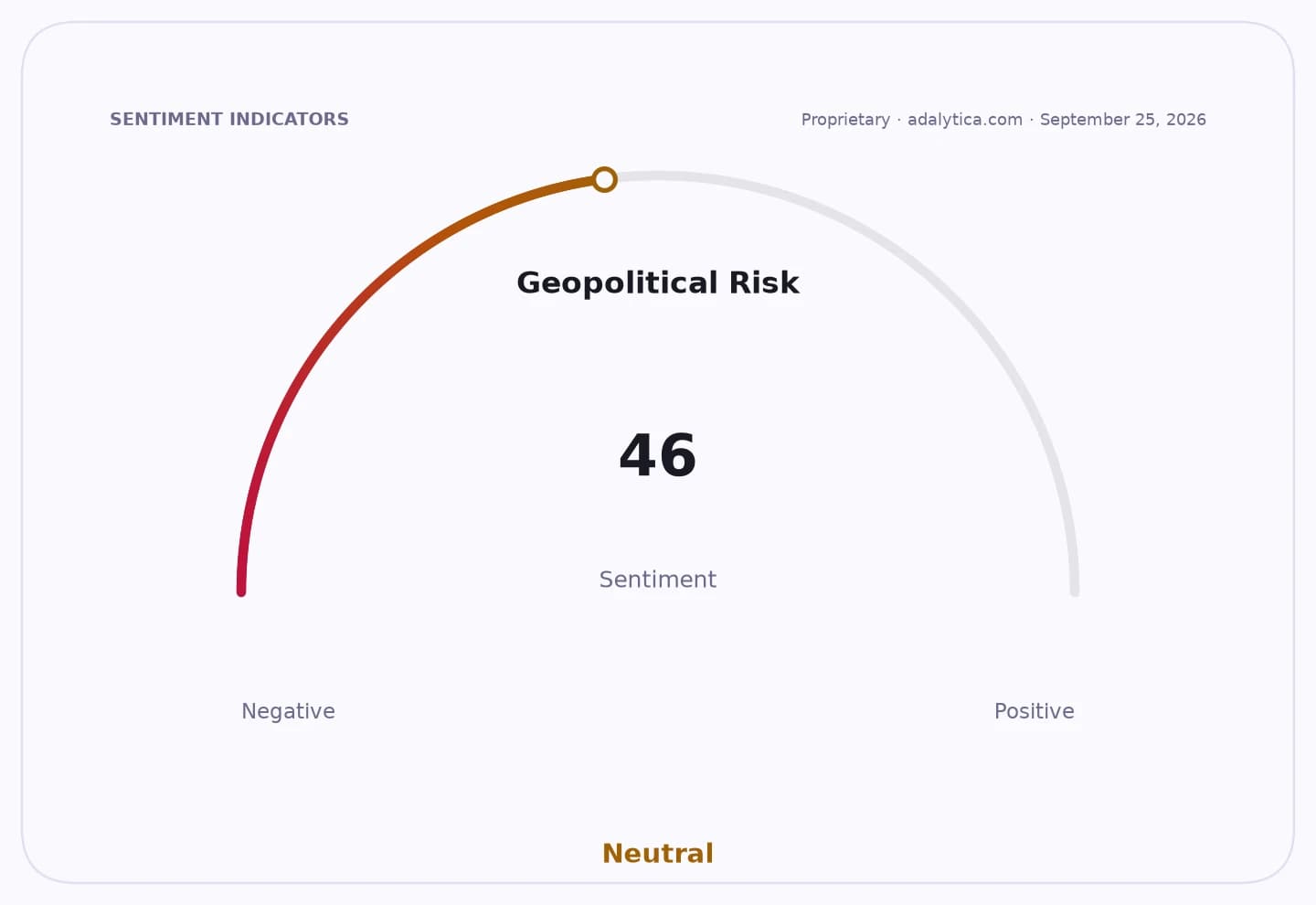
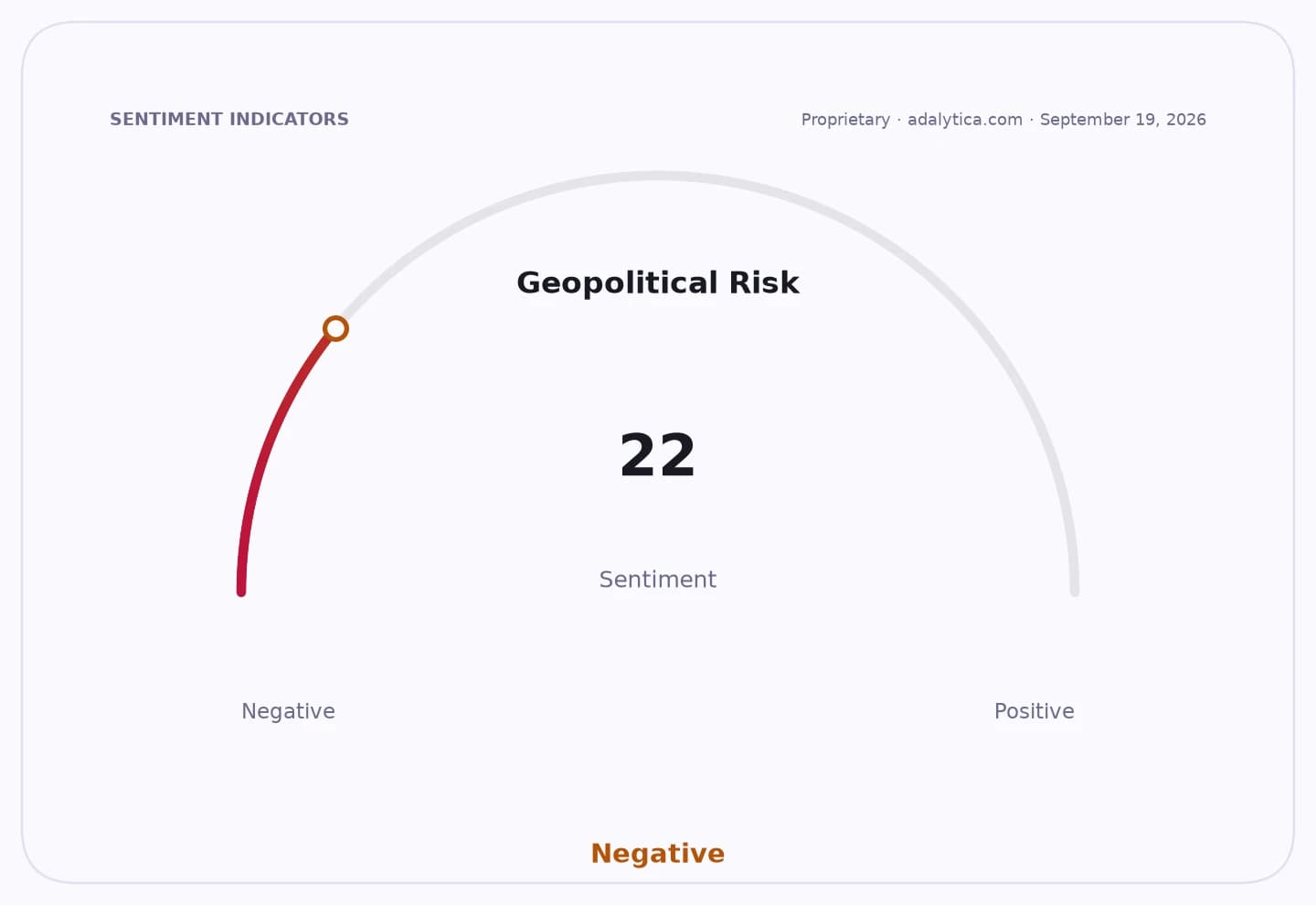
Sentiment IndicatorsⓘProprietary · adalytica.com · August 30, 2026
This is a snapshot — live sentiment, awareness and momentum for 130+ markets update continuously in the dashboard.Open AlphaPulse
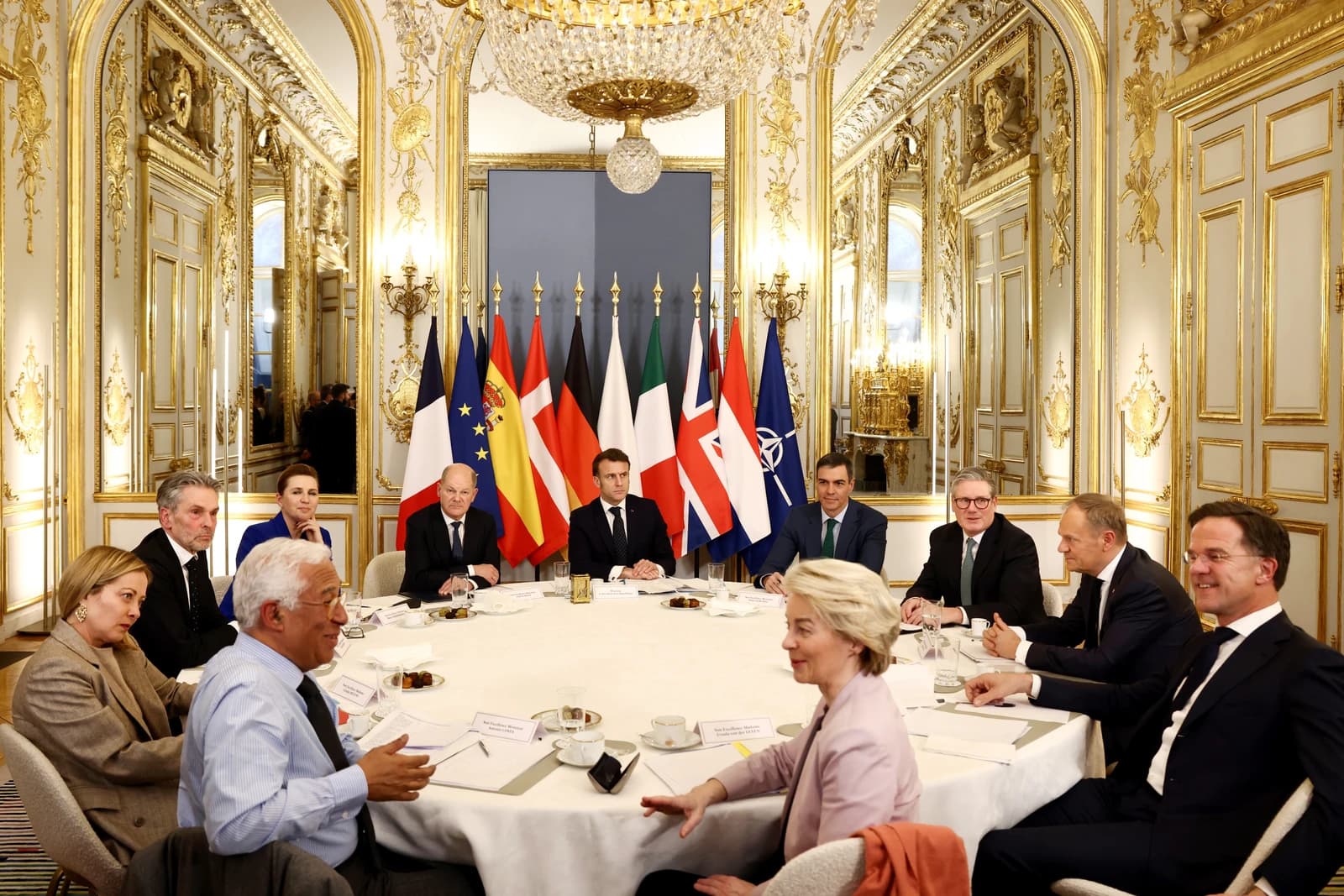
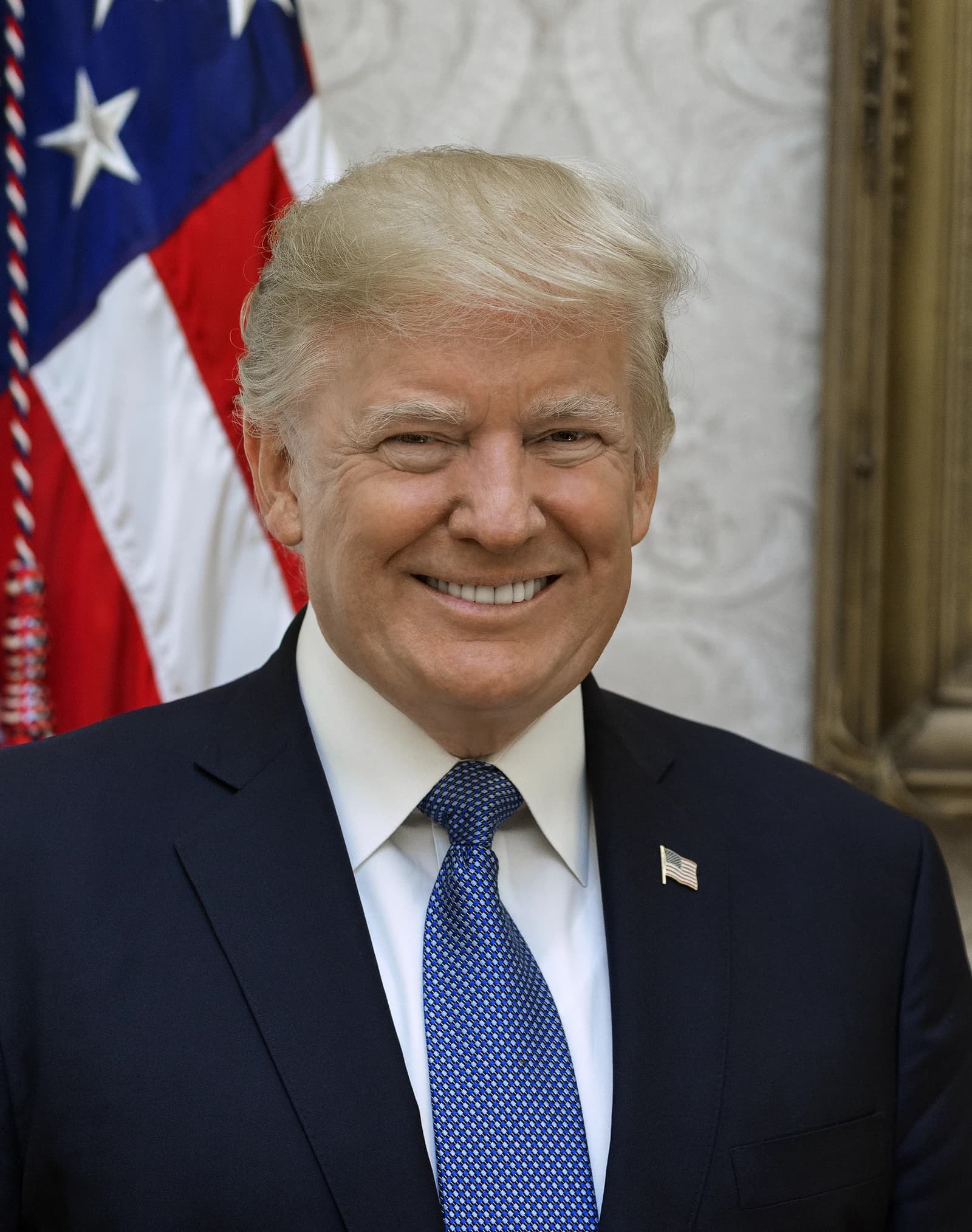
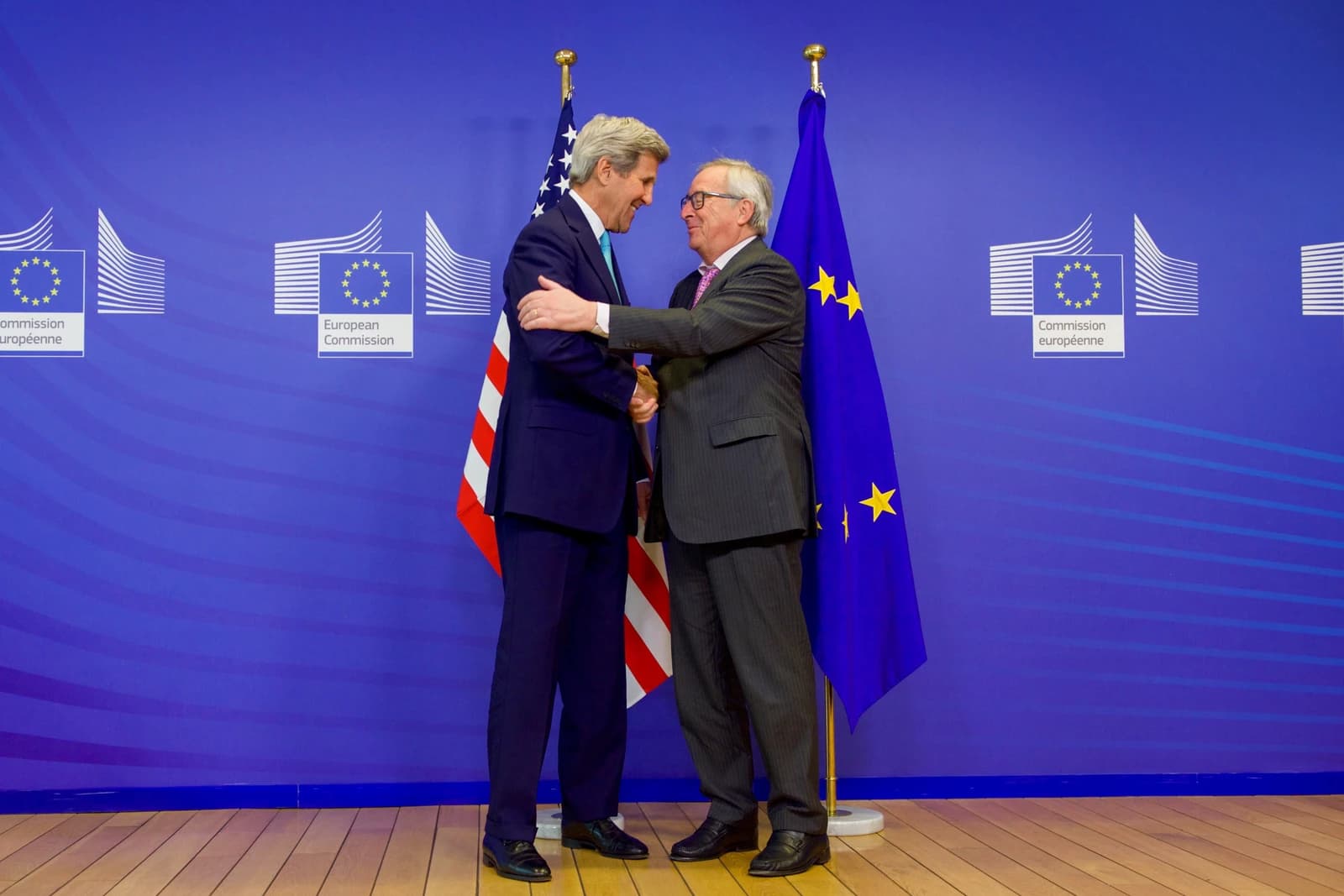
Brussels says the new measures are aimed at keeping pressure on the Kremlin “until Russia ends the war,” while Ukraine is pressing for tighter targeting of Russia’s arms industry and more air-defense support. In Washington, a US senator is promising a tougher package that he described as a “sledgehammer of sanctions,” underscoring that the transatlantic sanctions architecture is still being strengthened rather than relaxed.
For investors, the immediate implication is less about Russia itself, which remains largely cut off from Western capital and technology, than about the second-order effects. New sanctions can tighten oil and product markets, lift shipping and insurance costs, and deepen fragmentation in commodity supply chains. That tends to support energy prices and defense stocks, while weighing on sectors exposed to global trade, industrial inputs and cross-border payments.
The oil market is already signaling that geopolitical risk remains a premium. US crude futures have traded back above $62 a barrel, while the 10-year Treasury yield has held around 4.6% and the 2-year near 4.2%, leaving markets sensitive to any further supply disruption that could add to inflation pressures and complicate central-bank policy. Energy equities have also strengthened, with the XLE energy ETF near its highs and trading well above its 50-day and 200-day moving averages.
The sanctions push also reflects a wider political reality: Western governments have few appetite for direct escalation, but they still see economic coercion as the main lever available to raise the cost of war for Moscow. The Kremlin, meanwhile, is trying to blunt the impact through counter-sanctions and trade rerouting, but every new package makes that adaptation more expensive and more uncertain.
For investors, the key question is not whether sanctions will continue — they will — but how far they will reach into energy, shipping, finance and industrial supply chains. The next packages will test how much more pressure can be applied to Russia without inflicting broader inflationary damage on the West.
| Entity | Gains | Losses |
|---|---|---|
| EU and US policymakers | ▲More leverage on Moscow | ▼Higher risk of energy spillovers |
| Russia’s war economy | ▲Adaptation through rerouting | ▼Access to capital and technology |
| Energy producers | ▲Support from supply risk premium | ▼Demand hit if growth slows |
| Defense contractors | ▲Higher security spending | ▼Less room for fiscal trade-offs |