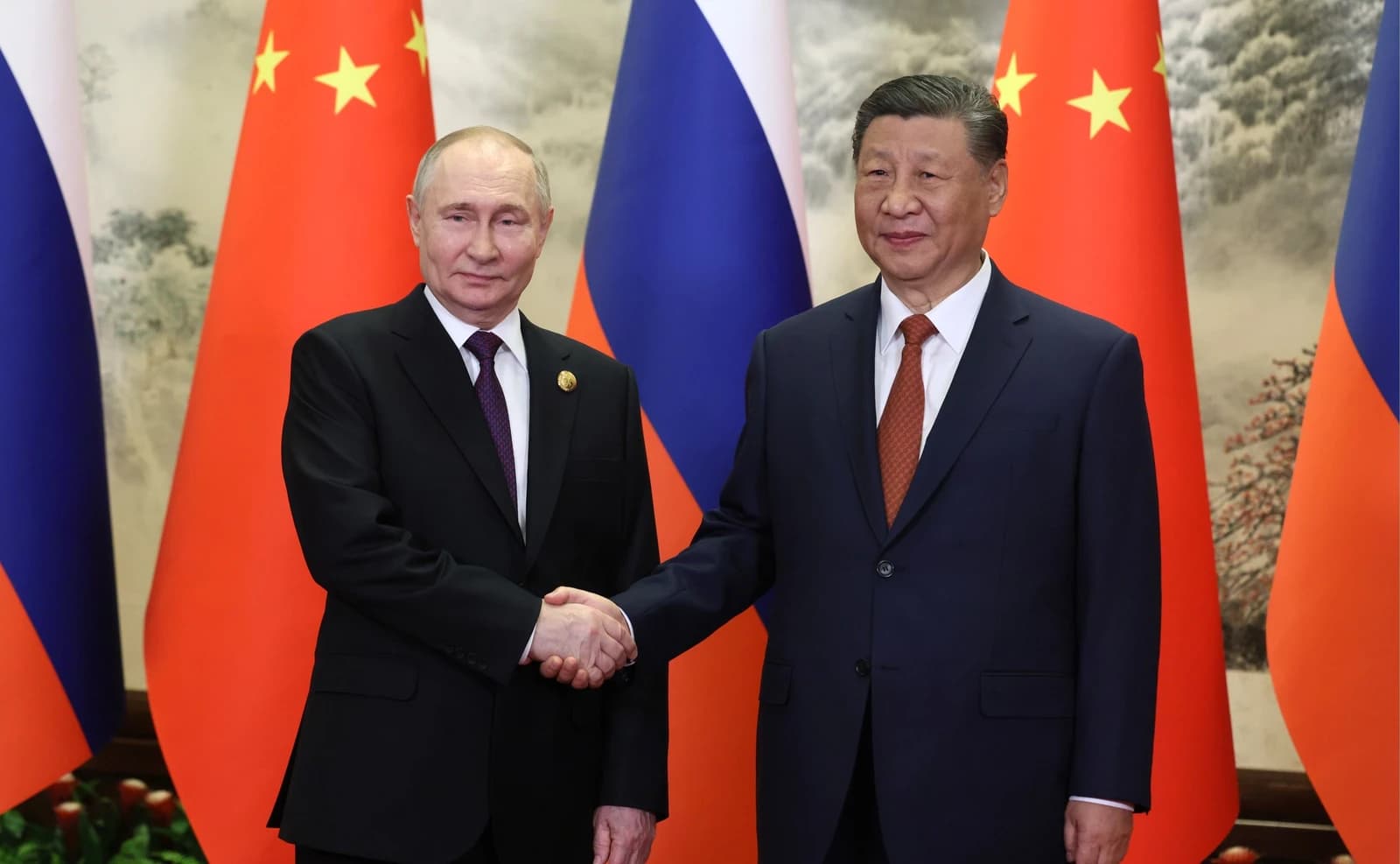
The European Union’s ambassadors have agreed on a ninth package of sanctions against Russia, keeping economic pressure on Moscow elevated and widening the long-running investment implications for energy, trade and the broader Europe-Russia divide.
EU approves ninth Russia sanctions package
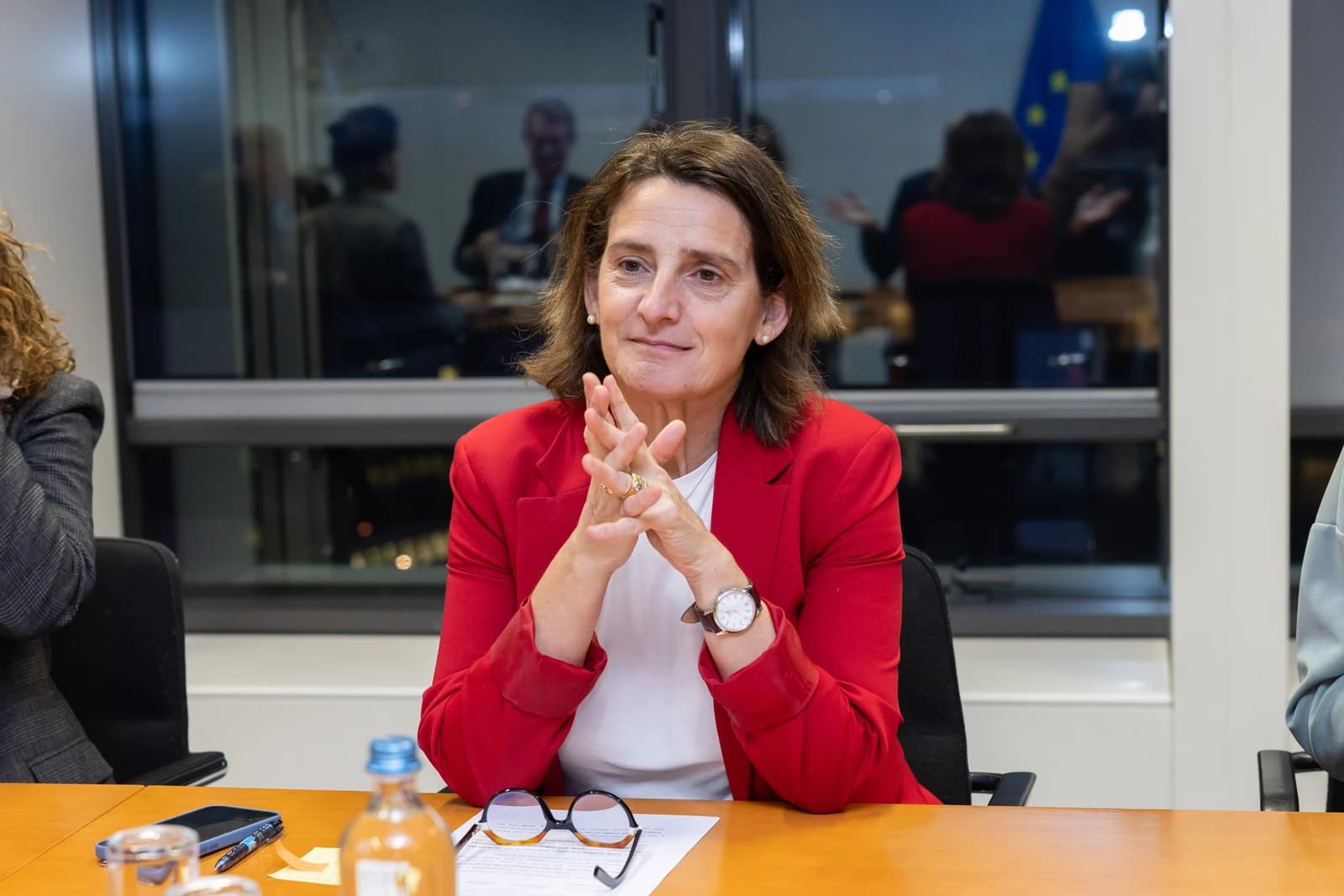
The package is expected to be approved in writing on Friday, according to the EU Council under the Czech presidency. That means the bloc is moving quickly to lock in another round of restrictions as the war in Ukraine grinds on and Western governments continue to treat sanctions as one of their main nonmilitary tools.
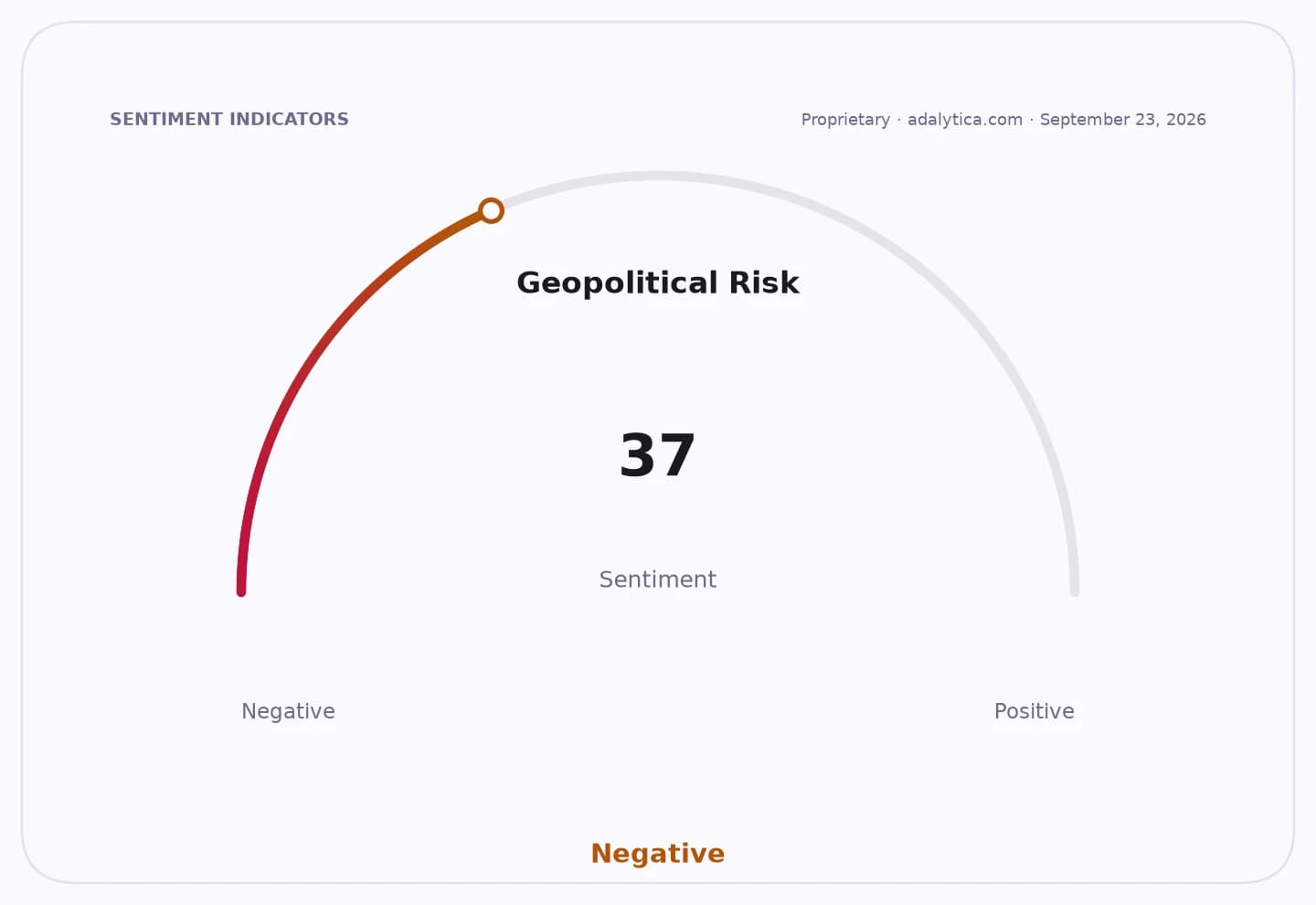
Sentiment IndicatorsⓘProprietary · adalytica.com · October 2, 2026
This is a snapshot — live sentiment, awareness and momentum for 130+ markets update continuously in the dashboard.Open AlphaPulse
For investors, the immediate takeaway is not a single tradeable headline but the persistence of a regime that keeps reshaping global flows. Sanctions have already forced a deeper break between Russia and the West, supporting the case for structural caution around Russian-linked assets and reinforcing a premium on companies and sectors able to benefit from rerouted supply chains, higher defense spending and energy security efforts.
The energy market remains part of that story. Oil has been volatile around the latest sanctions backdrop, with U.S. crude benchmark prices still near the mid-$90s a barrel in the data provided, while the Energy Select Sector SPDR Fund, XLE, has been trading above both its 50-day and 200-day moving averages after a strong run this year. That does not mean sanctions automatically lift energy stocks, but it does show how geopolitical risk keeps feeding into the sector’s risk-reward balance.
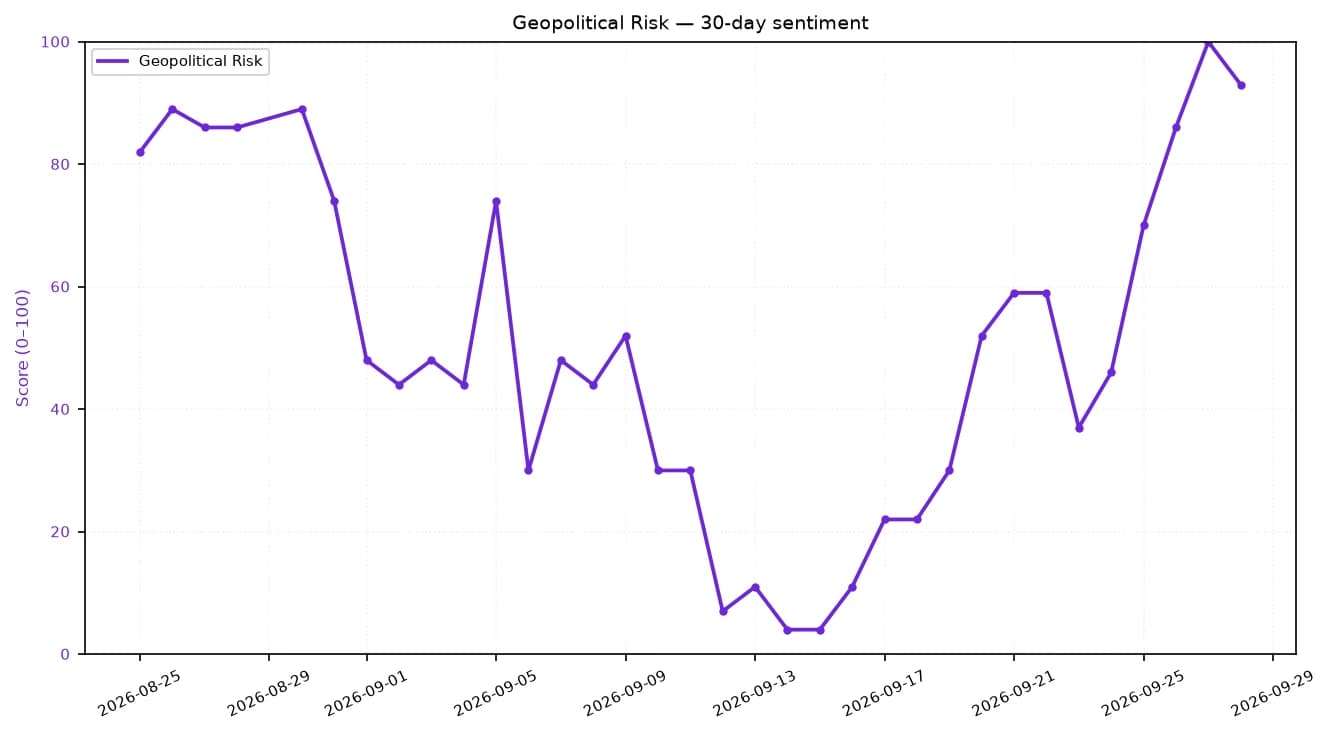
Geopolitical Risk — 30-day sentimentadalytica.com
Explore this data interactively — full history, time series and cross-market comparisons.Open AlphaPulse
Natural gas has been less straightforward. The United States Natural Gas Fund, UNG, remains below its 200-day moving average, reflecting a market that is still struggling with oversupply and demand uncertainty even as Europe continues to work through the energy shock triggered by Russia’s war. In other words, sanctions are part of the long-term energy thesis, but they do not create a straight-line winner for every fossil-fuel exposure.
The broader macro backdrop also matters. Euro-area leaders have repeatedly shown they are willing to absorb economic pain to maintain pressure on Moscow, even if that means higher costs for households and industry. That makes the sanctions regime itself a durable feature of the investment landscape, one that can influence inflation, commodity prices, shipping routes and defense budgets for years, not weeks.
There is also a geopolitical message in the EU’s speed. By agreeing the package at ambassador level and moving to written approval, the bloc is signaling unity at a time when sanctions fatigue could otherwise creep in. That matters because markets tend to price political resolve as much as policy content. If Europe stays coordinated, the odds rise that Russia faces continued restrictions on revenues, technology access and financing.
For long-term investors, the lesson is familiar: sanctions rarely deliver a neat, one-off market reaction. They create a slow-moving shift in capital allocation, favoring companies tied to energy security, industrial self-sufficiency and defense while remaining a persistent overhang for Russia-exposed assets. This is a story worth watching closely, especially if you are building a portfolio meant to compound over many years rather than trade the next headline.
| Entity | Gains | Losses |
|---|---|---|
| EU governments | ▲Show unity and resolve | ▼Higher economic costs |
| Russia | ▲Ongoing pressure on revenues | ▼Restricted trade and finance |
| Energy producers | ▲Support from geopolitical risk | ▼Policy uncertainty |
| Russian-linked assets | ▲— | ▼Further isolation |