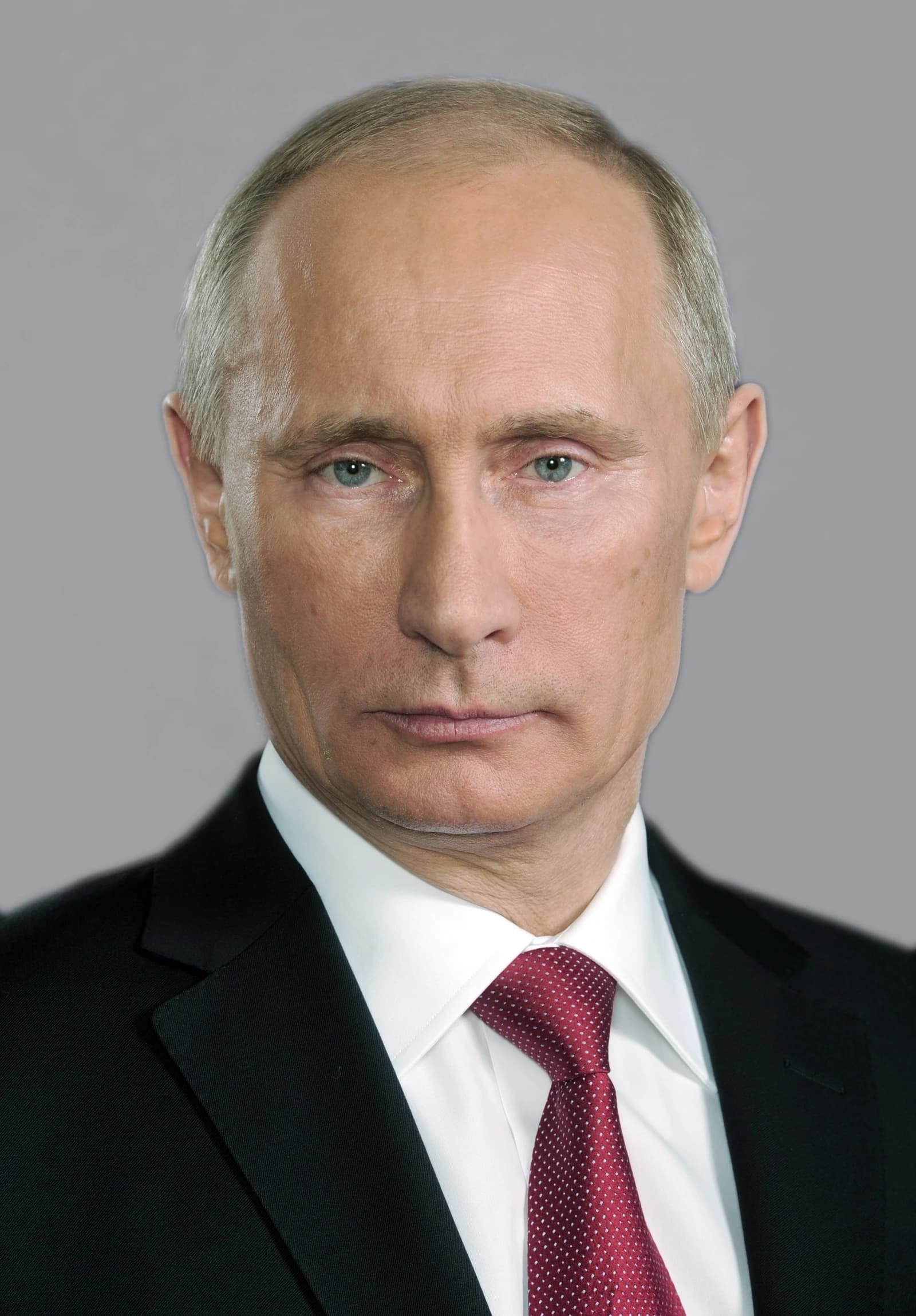
The European Union’s approval of a pared-back 21st sanctions package against Russia keeps one of the war’s most important economic levers in place, even as President Vladimir Putin argues the West is failing to break Russia’s economy or scientific base.
EU Sanctions Keep Pressure on Russia
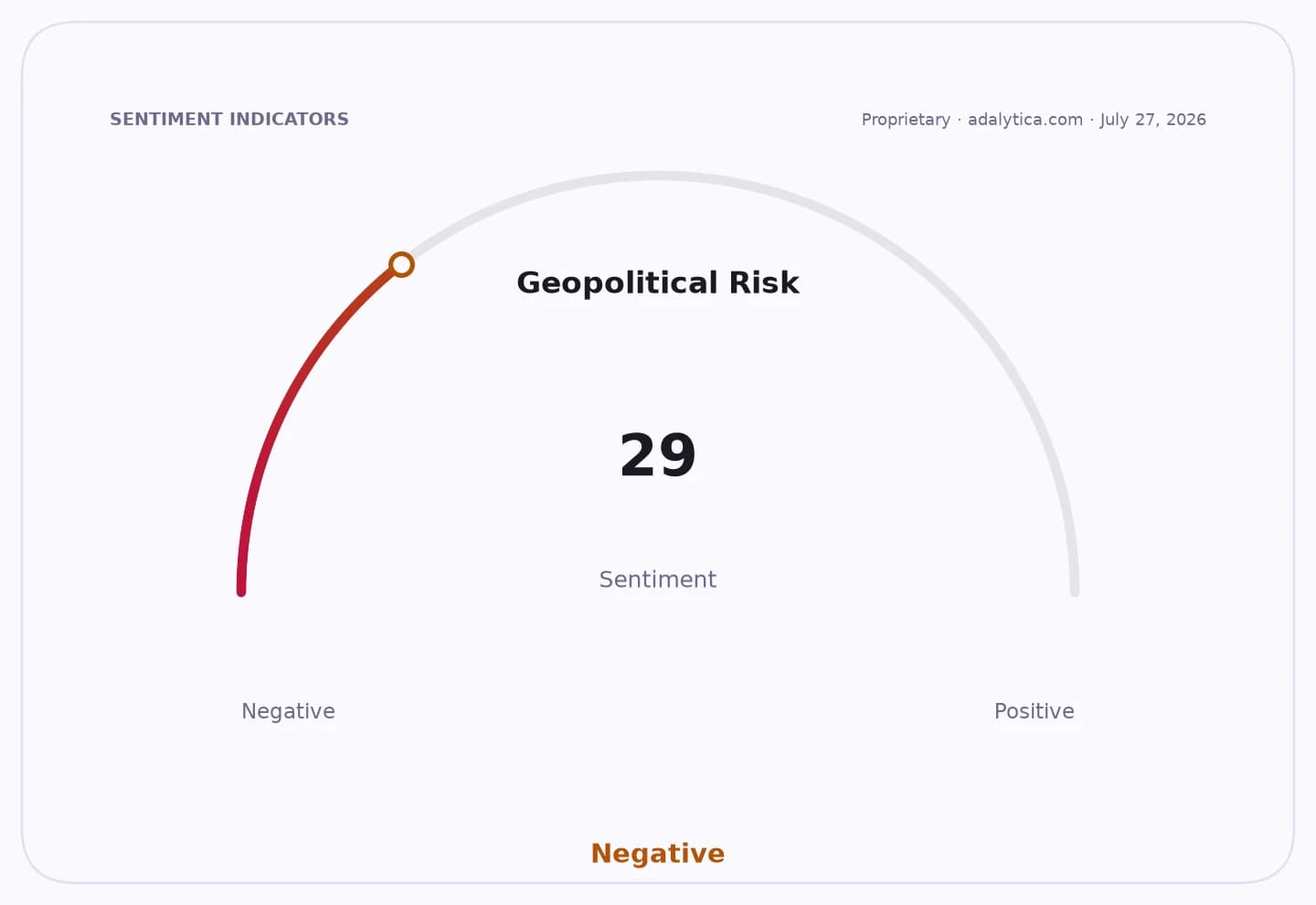
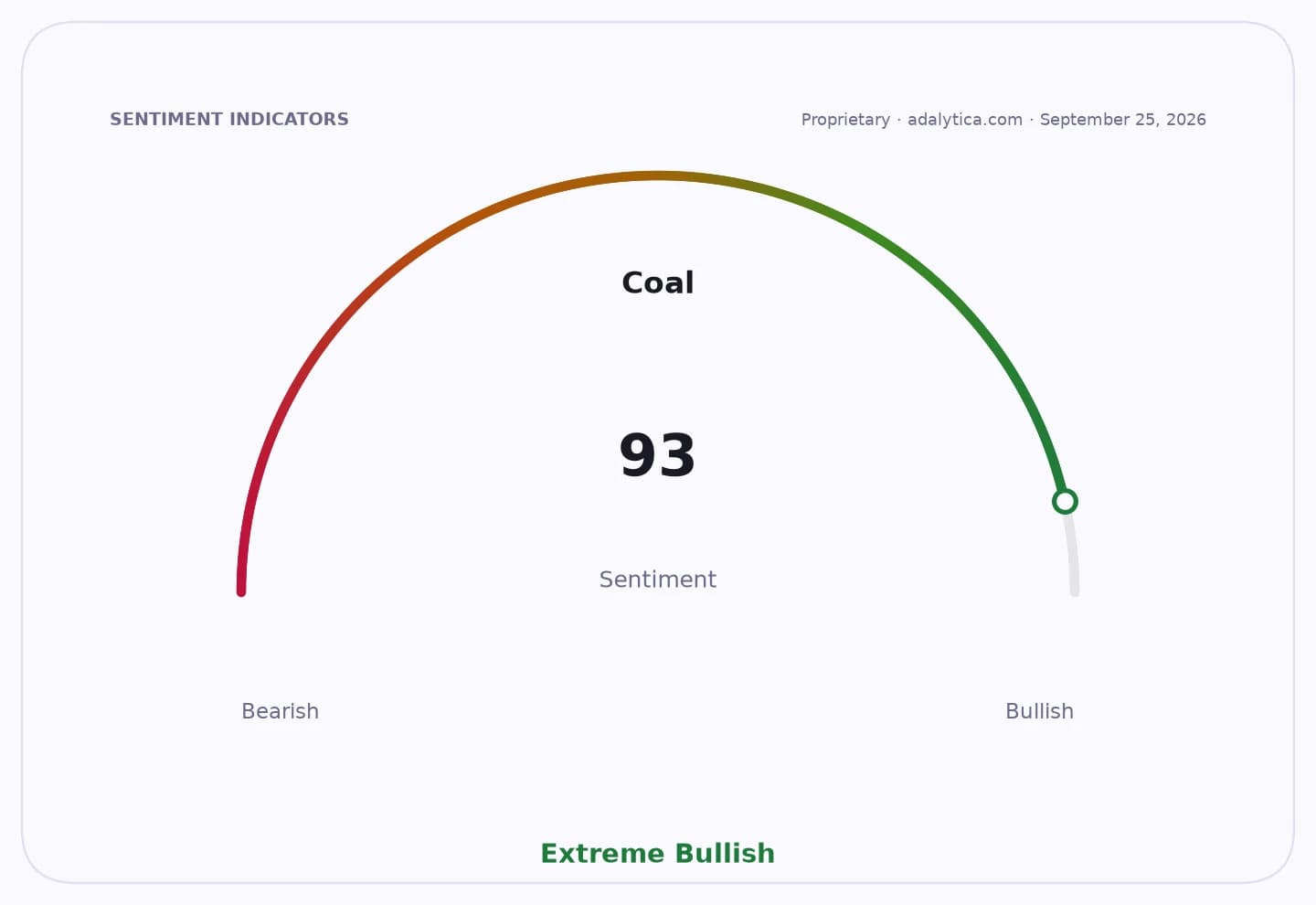
For investors, that matters because sanctions are not just a geopolitical signal — they shape trade flows, energy revenues, capital access and the earnings power of companies exposed to Russia, Europe and the wider commodity complex. They also help set the tone for global risk appetite at a time when Adalytica’s Global Stability Sentiment has slipped back into fear territory, underscoring how quickly geopolitical stress can still ripple through markets.
The EU’s move shows that Western pressure on Moscow is not fading, even if the bloc had to settle for a smaller package amid internal debates and legal concerns. That limits Russia’s room to normalize economically and keeps a ceiling on any near-term revival in cross-border investment, technology transfer and industrial cooperation. Putin’s public insistence that Russians are “stubborn” and won’t go bankrupt is part domestic messaging, part market signal: the Kremlin wants to project endurance, but it also has to convince households, businesses and counterparties that the sanctions regime is survivable.
That tension is exactly why investors should care. Russia-linked assets remain highly isolated, and the broader spillover is felt in energy, agriculture, shipping, defense and European industry. Every fresh sanctions round increases compliance costs and keeps risk premiums elevated for firms with exposure to sanctioned supply chains. It also nudges capital toward safer, more diversified parts of the market, while reinforcing the case for global portfolios that can absorb shocks rather than betting on a quick geopolitical settlement.
The market backdrop reflects that same split. The Russia-focused RSX fund has no fresh pricing data here, a reminder of how restricted and opaque that market has become, while Mexico’s EWW has held well above its 50-day moving average in recent sessions and remains above its 200-day average, showing how capital often rotates toward politically steadier emerging-market exposure when global tensions rise. Meanwhile, the FXI China ETF has been more volatile but is still trading above its 50-day average, illustrating how investors continue to differentiate between markets that are sanction-adjacent, sanction-exposed or simply less entangled in the conflict.
The bigger lesson for long-term investors is that sanctions rarely end neatly. They drag on, they evolve, and they create winners and losers across sectors and regions. Russia may be able to absorb more pain than many expected, but that does not mean the economic damage disappears. It means the friction lasts longer — and that is precisely why disciplined investors should stay diversified, keep expectations realistic and watch for the second-order effects in energy, commodities and European corporate earnings.
| Entity | Gains | Losses |
|---|---|---|
| EU policymakers | ▲Maintain pressure | ▼Need consensus |
| Russian government | ▲Domestic resolve narrative | ▼Capital and technology access |
| Energy and commodity traders | ▲Volatility opportunities | ▼Predictability |
| Sanctioned Russia exposure | ▲None | ▼Higher risk premiums |