The euro has fallen back below the 31,000 VND mark, a reminder that the dollar’s rebound is still dictating the near-term direction of Asia’s currency markets and squeezing importers across Vietnam.
Euro Falls Below 31,000 VND as Dollar Strengthens

That move matters because even a modest euro decline can ripple through trade pricing, corporate margins and inflation expectations in an economy that relies heavily on imported machinery, industrial inputs and consumer goods from Europe. For Vietnamese buyers, a weaker euro reduces the local-currency cost of euro-denominated invoices. For exporters selling into Europe, however, it can dent revenue translated back into dong and complicate hedging decisions.
Sentiment IndicatorsⓘProprietary · adalytica.com · August 11, 2026
This is a snapshot — live sentiment, awareness and momentum for 130+ markets update continuously in the dashboard.Open AlphaPulse
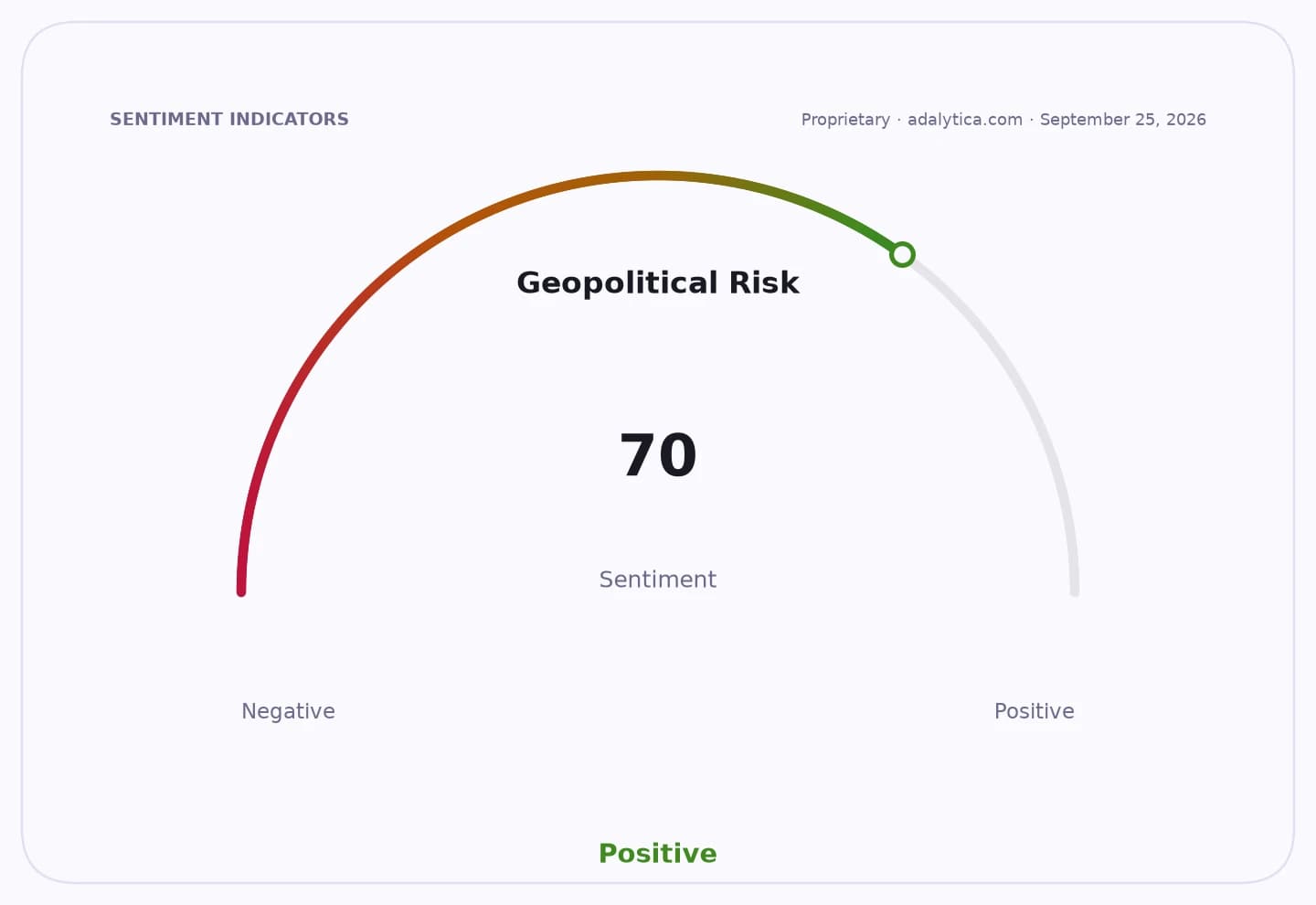
The broader backdrop is a firming US dollar and a more fragile euro. Adalytica’s Euro Trade Signals show sentiment at 41, which is neutral, but awareness at 96, or extreme greed, suggesting the currency is drawing intense market attention even as conviction fades. The European Central Bank policy gauge is flashing extreme fear, with sentiment at just 7, underscoring how sensitive the euro remains to policy expectations and growth concerns. By contrast, the US dollar gauge sits at 100 sentiment and 95 awareness, a clear sign that dollar strength is dominating the tape.
For investors, the key point is not just the level of the exchange rate but the asymmetry it creates. A softer euro can be a tailwind for Vietnamese importers, retailers and manufacturers that rely on European equipment or intermediate goods. It can also support margins for firms with euro-linked costs but VND revenues. On the other side, local companies with meaningful European sales or receivables face translation pressure, and any sustained euro weakness can shave earnings expectations.
The setup also has implications for the market’s bigger macro trade. If the dollar keeps firming, Asian currencies could stay under pressure, which tends to favor exporters with dollar revenues and punish import-sensitive sectors. For traders, the immediate opportunity is to watch whether the euro can stabilize above 31,000 VND or whether this breakdown becomes the start of a deeper repricing in regional FX.
My view: this is a currency move investors should not dismiss as noise. In a market still underestimating FX volatility, the euro’s slide is a live signal for who wins and who loses in Vietnam’s next earnings season.
| Entity | Gains | Losses |
|---|---|---|
| Vietnamese importers | ▲Lower euro costs | ▼— |
| European exporters to Vietnam | ▲— | ▼Weaker VND revenue |
| Vietnamese exporters to Europe | ▲— | ▼Translation pressure |
| US dollar | ▲Stronger pricing power | ▼— |