The euro is gaining ground against a basket of major currencies even as the U.S. dollar stays the dominant force in foreign exchange, underscoring how quickly capital is rotating across FX markets as traders reposition for divergent central-bank paths and higher volatility.
Euro FXE rises to 106.49 as dollar stays firm
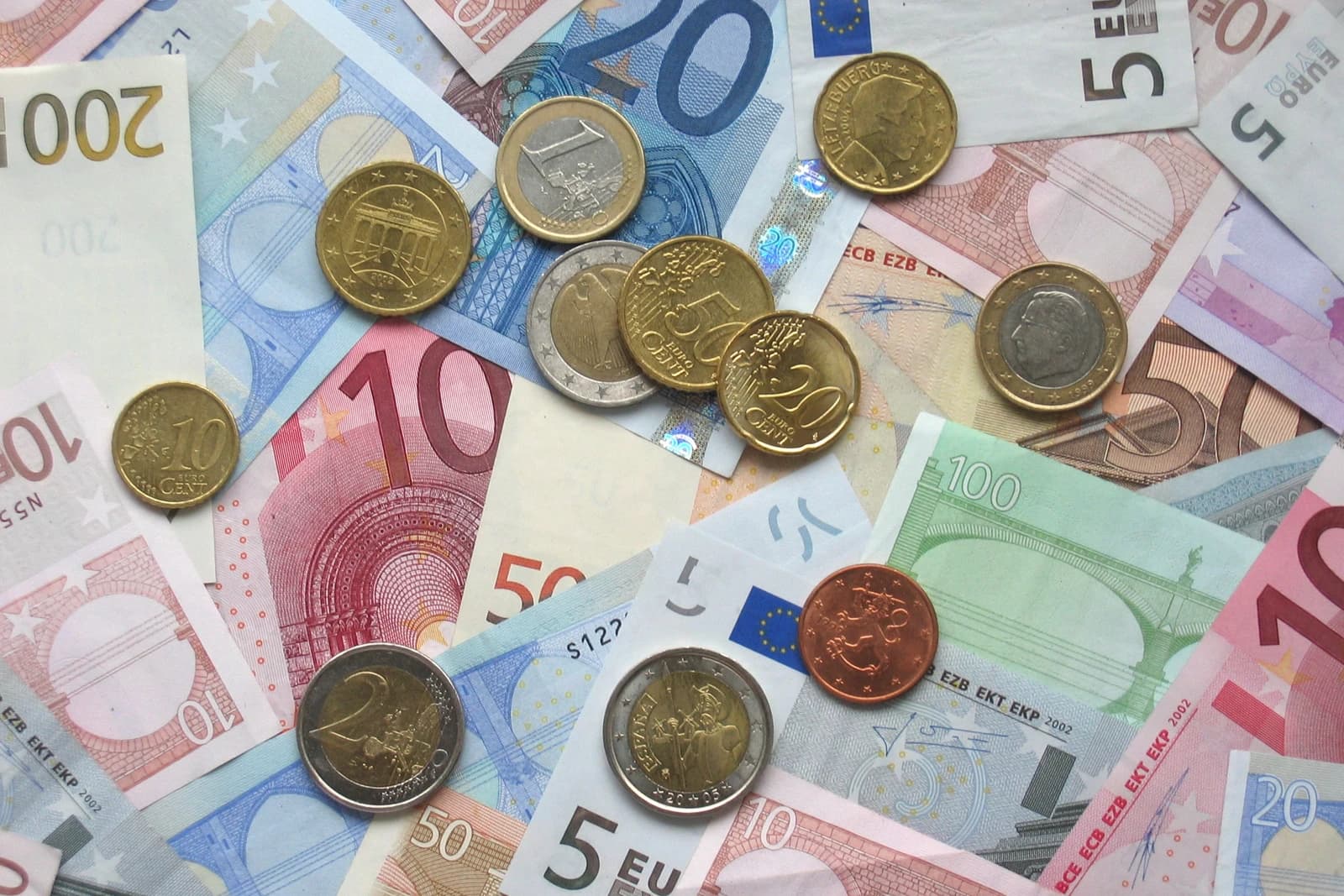
That matters because exchange rates are now doing more than reflecting sentiment: they are shaping trade competitiveness, imported inflation and the return profile for global investors. In that environment, the euro’s move is less a currency footnote than a read on where money is flowing next.
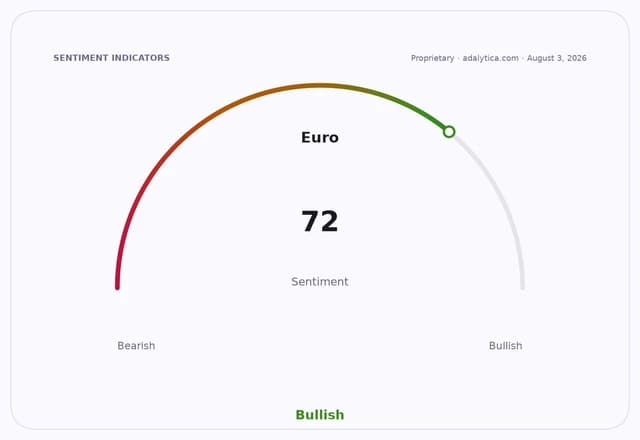
Sentiment IndicatorsⓘProprietary · adalytica.com · August 3, 2026
This is a snapshot — live sentiment, awareness and momentum for 130+ markets update continuously in the dashboard.Open AlphaPulse

FXE, the euro-tracking ETF, rose to 106.49 on July 31 from 104.95 at the start of the month, while UUP, which tracks the dollar, held near 28.17 after reaching 28.42 late in July. The divergence shows the euro clawing back some ground even as the dollar remains near firm levels, a mix that often signals crowded positioning rather than a clean directional trend.
The bigger message is that FX markets are no longer trading one simple macro story. The Japanese yen has been whipped around by intervention, the Australian dollar has been pressured by debate over whether the Reserve Bank of Australia can justify tighter policy with inflation cooling, and the dollar has kept strong enough to weigh on several peers. In that kind of setup, the euro becomes a funding currency, a trade-weighted benchmark and a proxy for how investors see Europe’s growth and policy outlook relative to the U.S.
Technical signals reinforce that the euro’s rebound is real, though not yet decisive. FXE’s 50-day moving average sits around 105.97, just below the latest close, while its RSI reading of 71.3 suggests the fund is approaching overbought territory. UUP, meanwhile, remains above both its 50-day and 200-day moving averages, showing the dollar’s broader trend is still intact even after a short-term pullback.
For investors, that creates a two-sided opportunity. A stronger euro helps European exporters with dollar revenues translated back into euros, but it can also pinch U.S.-based multinationals that rely on European demand. The trade is especially important for anyone holding overseas assets without currency hedges: when FX moves this quickly, returns can be driven as much by the dollar as by the underlying equity or bond.
Adalytica’s Euro Trade Signals snapshot shows sentiment around the euro at 72, labeled “Greed,” after a sharp weekly improvement, while the dollar’s signal sits at 100, or “Extreme Greed.” That combination is exactly what investors should watch for: a market that is bullish on both sides of the pair, which usually means volatility, not stability, is the more durable trade.
Our thesis is straightforward: the euro’s latest strength is not just a tactical bounce, it is a warning that the FX regime is becoming less one-way and more tradable. In a market where intervention, inflation surprises and central-bank divergence are all active catalysts, the best opportunities may lie not in picking a single currency outright, but in owning the volatility, hedging exposure and leaning into the parts of the market most sensitive to a weaker dollar and a firmer euro.
| Entity | Gains | Losses |
|---|---|---|
| Euro holders | ▲Translation gains | ▼Dollar-based pricing pressure |
| European exporters | ▲Better foreign receipts | ▼Less price competitiveness |
| U.S. multinationals | ▲— | ▼FX headwind on earnings |
| FX volatility traders | ▲Wider swings | ▼Directional whipsaws |