The euro rose to 1.1555 against the US dollar, underscoring a shift in currency momentum that matters for inflation, trade and the near-term outlook for European assets.
Euro rises to 1.1555, FXE closes at 106.56

The move is economically important because a firmer euro can ease imported inflation in the currency bloc just as markets continue to debate the timing and scale of future European Central Bank policy easing. It also has direct implications for exporters, multinational earnings and portfolio flows, particularly after the dollar’s recent run left many investors crowded on the bullish-US-currency side of the trade.
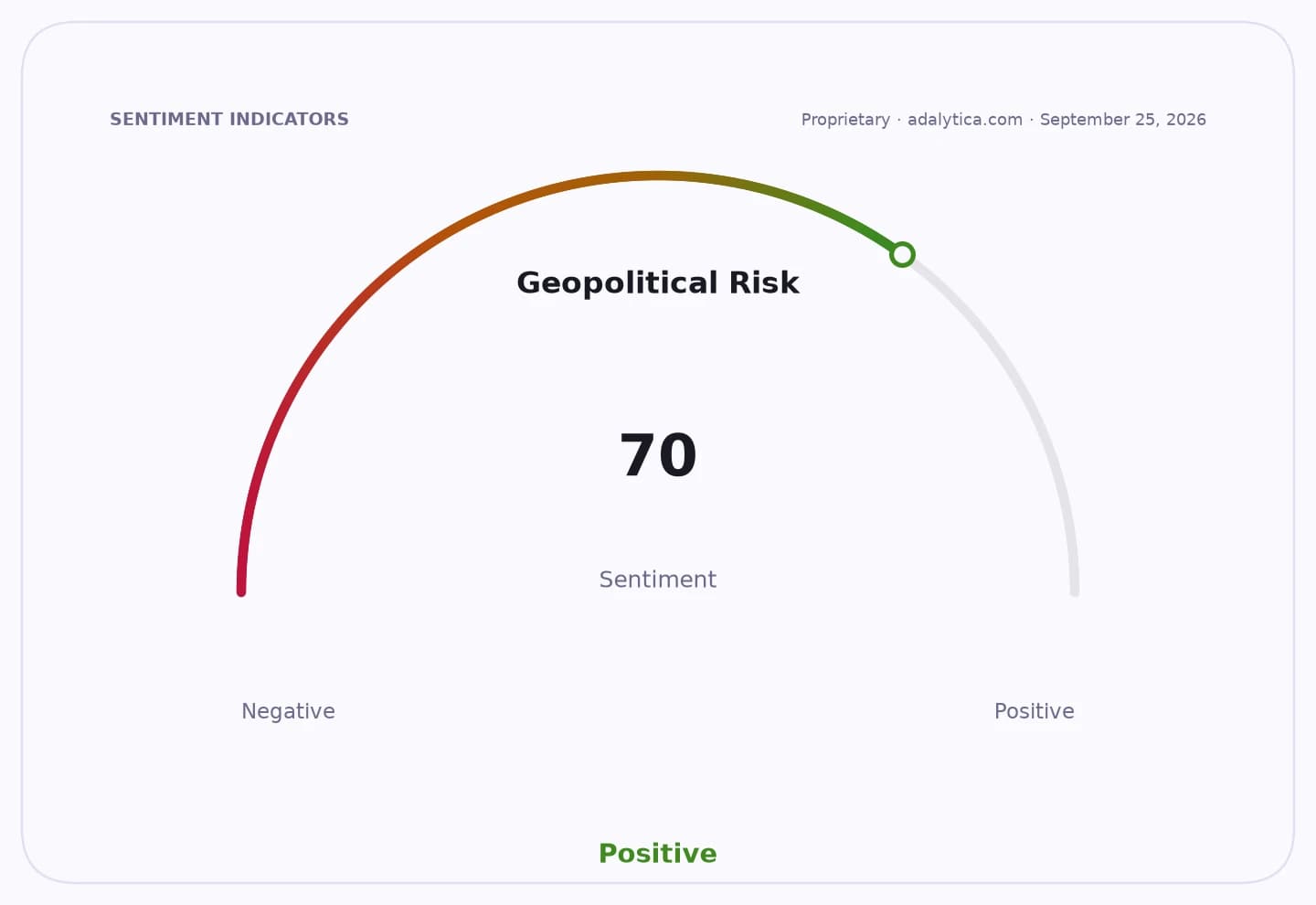
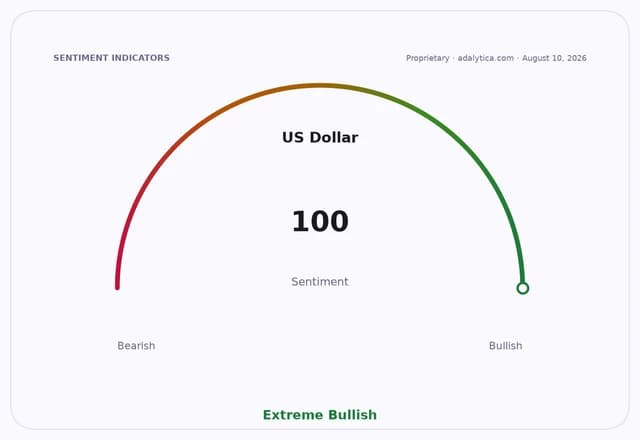
Sentiment IndicatorsⓘProprietary · adalytica.com · August 10, 2026
This is a snapshot — live sentiment, awareness and momentum for 130+ markets update continuously in the dashboard.Open AlphaPulse

Market positioning appears to be part of the story. Adalytica’s Euro Trade Signals snapshot shows euro sentiment at neutral, but with awareness at an “extreme greed” reading, suggesting the currency has drawn significant attention even as conviction has cooled. On the US dollar side, sentiment and awareness both remain in “extreme greed” territory, but the one-day jump in dollar awareness points to a market still heavily focused on the greenback’s strength and vulnerable to sharp reversals if the macro backdrop shifts.
That matters because foreign-exchange moves feed quickly into broader market pricing. A stronger euro can weigh on the overseas revenues of European exporters, but it can also support consumer purchasing power by lowering the local-currency cost of energy and imported goods. For investors in euro-denominated assets, the currency backdrop is now part of the return equation again, especially after recent swings in risk appetite have kept currency hedges in focus.
The price action in FXE, the euro-tracking exchange-traded fund, suggests the market has been digesting the move rather than chasing it blindly. The fund’s latest close of 106.56 sits above its 50-day moving average of 105.82, while its 200-day moving average is 106.95, putting it near a longer-term pivot. RSI readings around 70 indicate the ETF is approaching overbought territory, while the MACD remains positive, a sign that momentum has turned up even if the move may be stretched in the short run.
The broader narrative is one of a currency market adjusting to changing expectations around growth, policy and capital flows. If the euro can hold above recent levels, it would reinforce the view that the dollar’s earlier strength may be losing some of its force. If not, the latest move may prove to be another tactical rebound rather than the start of a durable trend.
For investors, the key question is whether this is a genuine shift in macro leadership or just a positioning unwind. The answer will depend on upcoming data, central bank guidance and whether risk appetite continues to favor assets outside the dollar.
| Entity | Gains | Losses |
|---|---|---|
| Euro | ▲Easier imported inflation | ▼Export competitiveness |
| US dollar | ▲Recent momentum traders | ▼Crowded long positions |
| European consumers | ▲Lower import costs | ▼— |
| European exporters | ▲— | ▼FX translation headwinds |