The euro is strengthening against the national currency, with the BNR’s Friday fixing underscoring a modest but meaningful shift in Romania’s foreign-exchange backdrop as investors lean toward the single currency and away from the leu.
Euro Strength Pressures Romania's Leu
The move matters economically because even small changes in the euro-leu rate feed quickly into import costs, inflation expectations and balance-sheet planning across Romania’s euro-heavy economy. For households, a firmer euro can raise the local-currency cost of goods priced in the bloc’s currency. For companies, especially importers and borrowers with euro liabilities, the shift tightens financing conditions and can pressure margins if the leu weakens further.
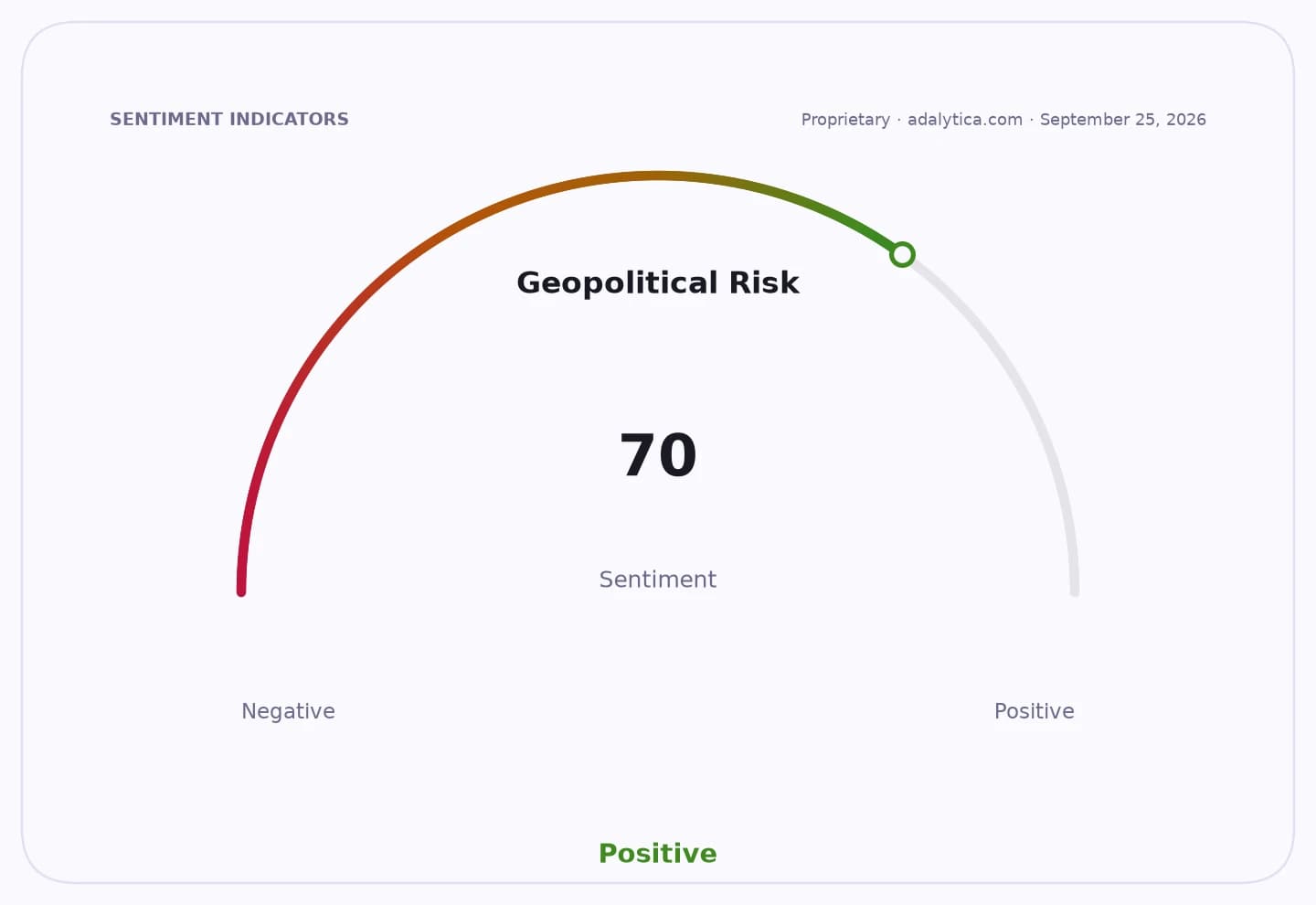
Sentiment IndicatorsⓘProprietary · adalytica.com · July 17, 2026
This is a snapshot — live sentiment, awareness and momentum for 130+ markets update continuously in the dashboard.Open AlphaPulse
The latest market signals suggest the euro’s advance is not just a local quirk but part of a broader currency rotation. Adalytica’s Euro Trade Signals show extreme fear in euro positioning, with sentiment at 1 and awareness at 2, even as the euro has held up against other currencies in recent trading. That combination often points to a market that is underweight the currency but reluctant to press bets against it, leaving room for further strength if European growth data or rate expectations improve.
Technical indicators also show the euro proxy, FXE, regaining traction after a volatile spring. The fund closed at 105.57 on July 16, above its 50-day moving average of 106.5 earlier this month, with RSI at 60.2 and MACD still negative but improving. That suggests momentum has stabilized rather than broken out decisively. By contrast, the sterling proxy FXB has been firmer, closing at 129.54, above both its 50-day and 200-day moving averages, with RSI still elevated at 75.5, indicating a more stretched advance than the euro’s.
For investors, the key question is whether this is the start of a broader repricing of European currencies or simply a short-lived adjustment tied to positioning. A stronger euro can be a headwind for exporters selling into dollar markets, but it also can signal confidence in the region’s policy outlook and reduce imported inflation. In Romania, the more immediate implication is for the leu: if the euro continues to appreciate, the central bank may face more pressure to manage exchange-rate volatility even without a formal policy shift.
The near-term catalyst is whether the euro can keep firming against the dollar and whether that strength spills into regional currencies. A sustained move would matter for pricing power, inflation and hedging costs across Central and Eastern Europe; if the rally fades, the BNR fixing may prove only a brief checkpoint in a still-rangebound market.
| Entity | Gains | Losses |
|---|---|---|
| Euro holders | ▲Higher FX value | ▼Risk of crowded longs |
| Romanian importers | ▲None | ▼Higher euro-denominated costs |
| Exporters from euro area | ▲Stronger currency signal | ▼Weaker price competitiveness |
| Leu borrowers with euro debt | ▲None | ▼Larger repayment burden |