Europe’s corn deficit is set to pull more grain from the United States, even though Ukraine remains one of the bloc’s traditional suppliers, because drought and heat have cut European output and left importers scrambling for supply.
Europe Corn Deficit Boosts U.S. Grain Exports

The shift matters because corn is a core feed grain for Europe’s livestock industry, and a larger import bill can ripple through food costs, farm margins and trade flows across the continent. When domestic harvests fail, buyers typically turn first to nearby suppliers such as Ukraine, but logistics and war-related disruption are complicating that route and widening the field for U.S. exporters.
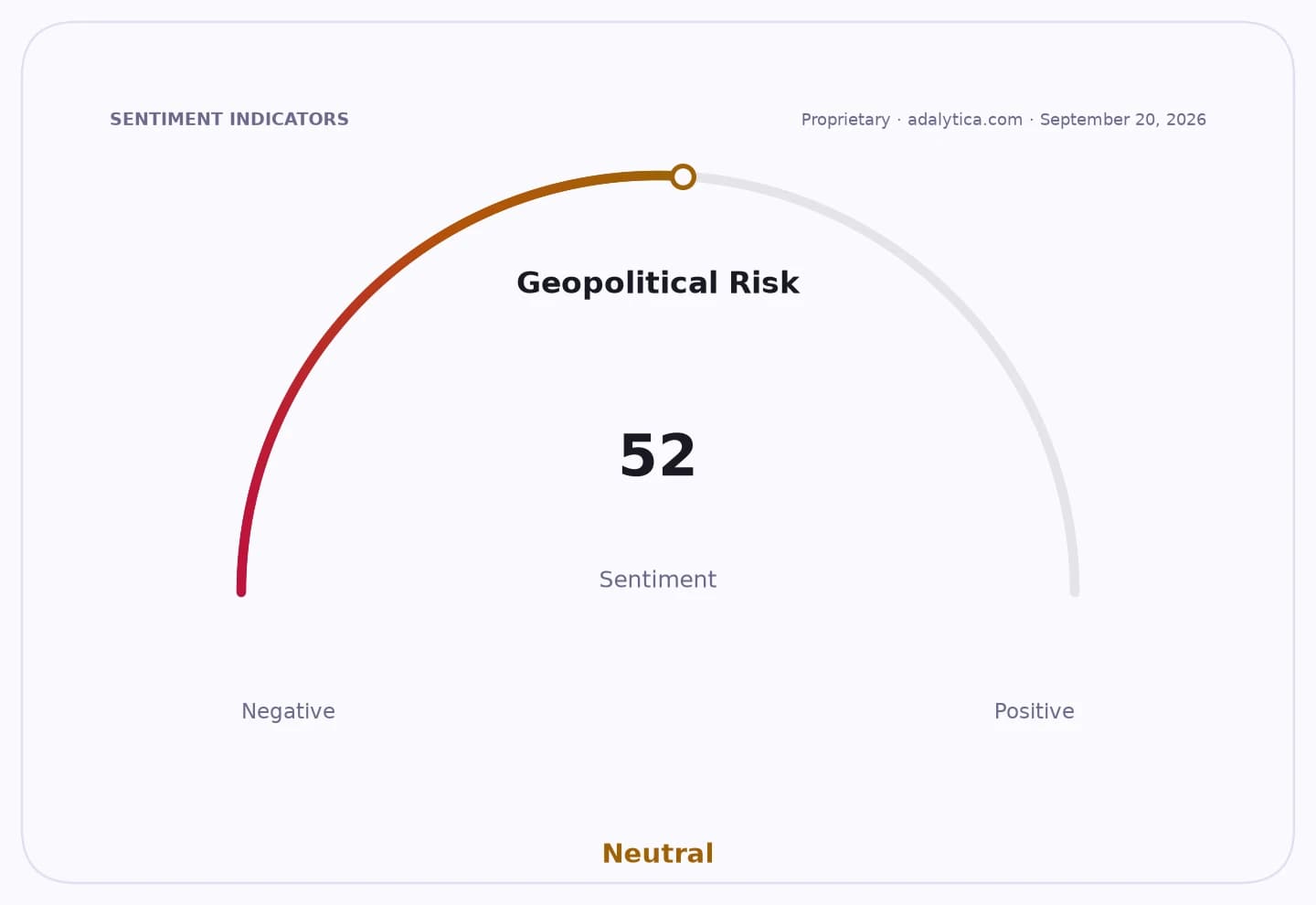
Sentiment IndicatorsⓘProprietary · adalytica.com · September 8, 2026
This is a snapshot — live sentiment, awareness and momentum for 130+ markets update continuously in the dashboard.Open AlphaPulse

That creates an economically meaningful opening for American farmers at a time when President Donald Trump is pushing farm sales abroad as part of his trade agenda. Europe’s need for millions of extra tons of corn gives U.S. grain a better chance of moving into a market that is usually served closer to home.
Commodity markets have already been reflecting the tighter supply backdrop. Corn futures tracked by the CORN ETF are trading around $20.07, up from $18.05 in early November, while the broader agricultural basket in DBA is near $28.92, above $27 earlier this month. The moves suggest traders are pricing in tighter global grain availability, especially after crop losses across western and central Europe.
The supply squeeze is also supporting wheat, with the WEAT ETF near $26.83 after reaching $27.12 on Sept. 3, as drought and heatwaves have hit multiple grain-growing regions. In Europe, the production shock could convert Hungary from exporter to importer, underscoring how quickly weather can redraw trade maps.
For investors, the key question is whether the import gap proves temporary or extends into the next shipping season. U.S. growers and grain handlers stand to benefit if European buyers continue to bypass Ukraine, while importers, livestock producers and consumers face higher feed costs if the shortage persists.
The next catalyst is weather and harvest data out of Europe, along with export bookings from the U.S. and the Black Sea, which will determine how much of Europe’s demand gets redirected across the Atlantic.
| Entity | Gains | Losses |
|---|---|---|
| U.S. corn farmers | ▲Higher export demand | ▼None immediate |
| Ukraine grain exporters | ▲Potential sales if logistics hold | ▼Lost market share if routes weaken |
| European livestock producers | ▲Access to needed feed | ▼Higher input costs |
| Corn futures traders | ▲Price support from tight supply | ▼Shorts if exports accelerate |