Europe’s worsening drought is tightening river transport across key industrial corridors, forcing governments to allow more trucks onto the roads as waterways run too shallow for barges to move goods.
Europe Drought Boosts Trucks as River Freight Slows
That shift matters because inland shipping is usually one of the cheapest ways to move bulk cargo in Europe. When river levels fall, freight diversions to road lift logistics costs, slow deliveries and add pressure to supply chains already contending with weak growth and higher borrowing costs.
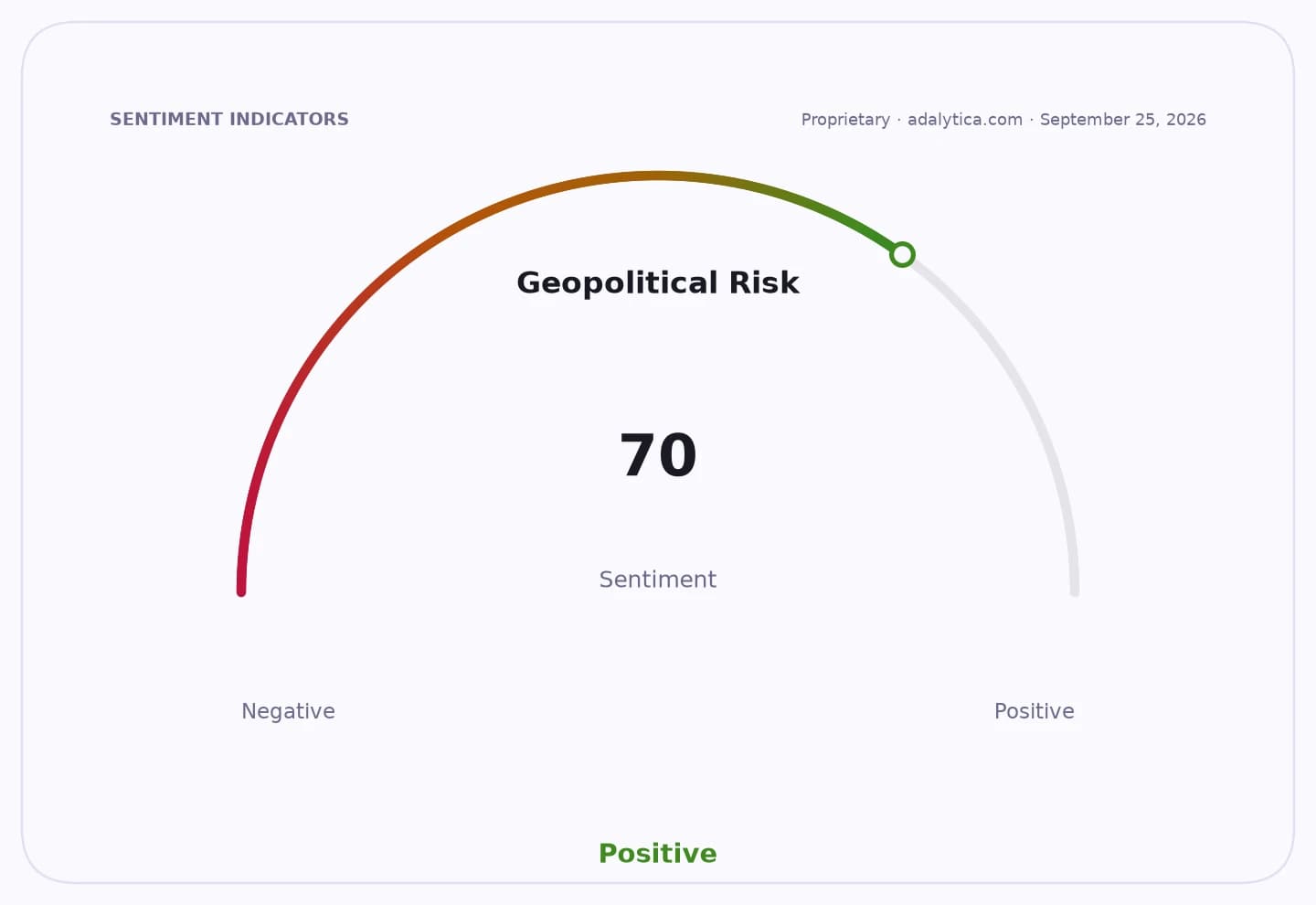
Sentiment IndicatorsⓘProprietary · adalytica.com · August 9, 2026
This is a snapshot — live sentiment, awareness and momentum for 130+ markets update continuously in the dashboard.Open AlphaPulse
Germany’s transport ministry has been defending exemptions that let shippers bypass normal trucking restrictions during the drought, according to the brief. The move underscores how water stress has become an economic problem, not just an environmental one, as low levels on major waterways disrupt the movement of raw materials, industrial inputs and finished goods.
The broader drought picture is severe. Authorities in parts of Italy and Germany are imposing water-use limits, while lower groundwater levels and receding rivers are damaging ecosystems and curbing industrial activity. In some regions, inspections and fines are being stepped up as officials try to conserve what little water remains.
For investors, the immediate focus is on freight and logistics winners and losers. Trucking companies and some rail operators can benefit from the spillover traffic, while barge operators, exporters and heavy-industry shippers face higher costs and more volatile schedules.
The situation also feeds into the macro backdrop by nudging up transport inflation at a time when Europe is trying to keep a lid on prices and protect fragile industrial demand. Any further deterioration in water levels would deepen the disruption and raise the odds of additional regulatory interventions across the continent.
| Entity | Gains | Losses |
|---|---|---|
| Trucking firms | ▲More diverted freight | ▼Higher congestion and fuel costs |
| Barge operators | ▲— | ▼Lost river cargo volumes |
| Industrial shippers | ▲Short-term exemptions | ▼Higher logistics costs |
| European economy | ▲— | ▼Supply-chain disruption |