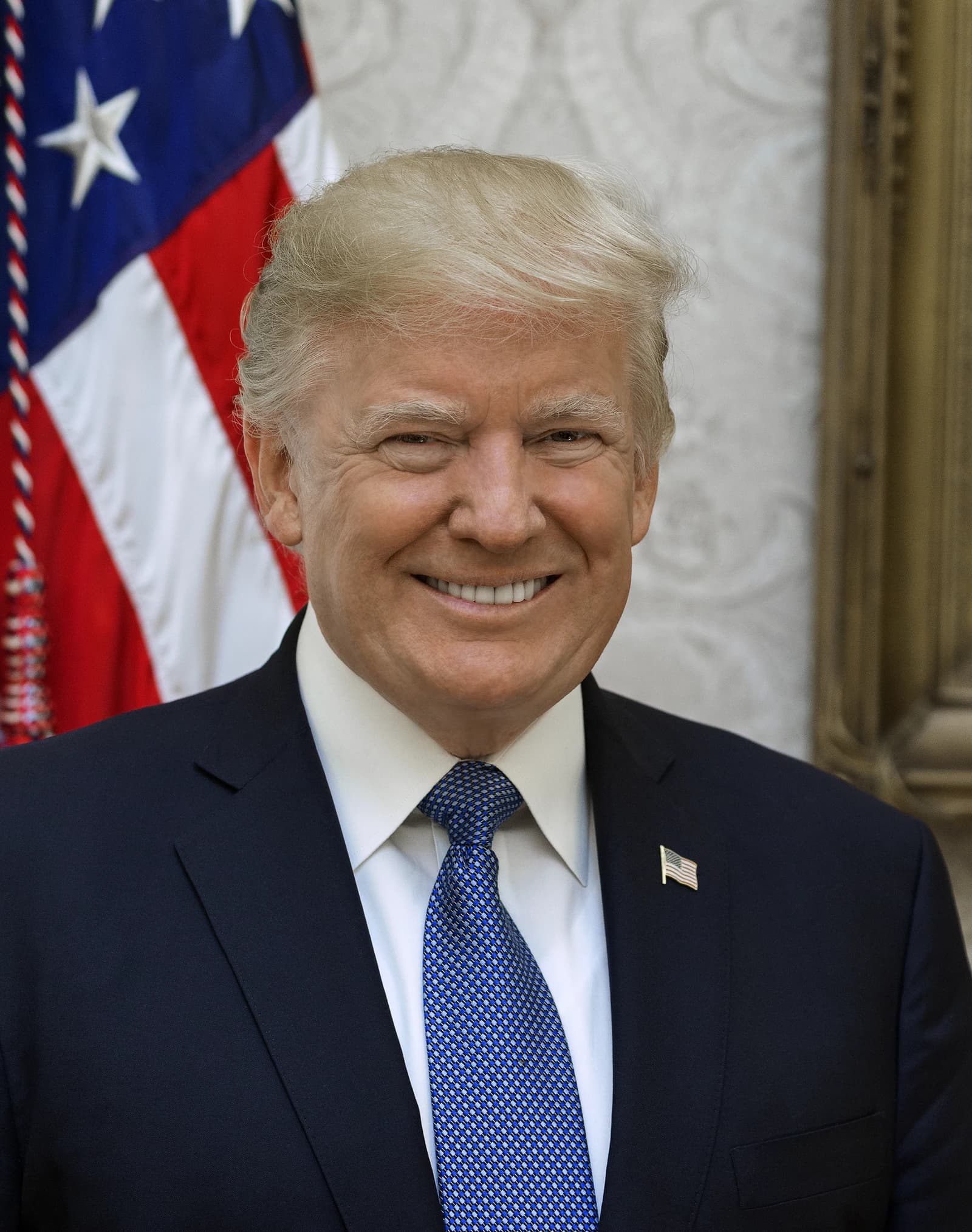
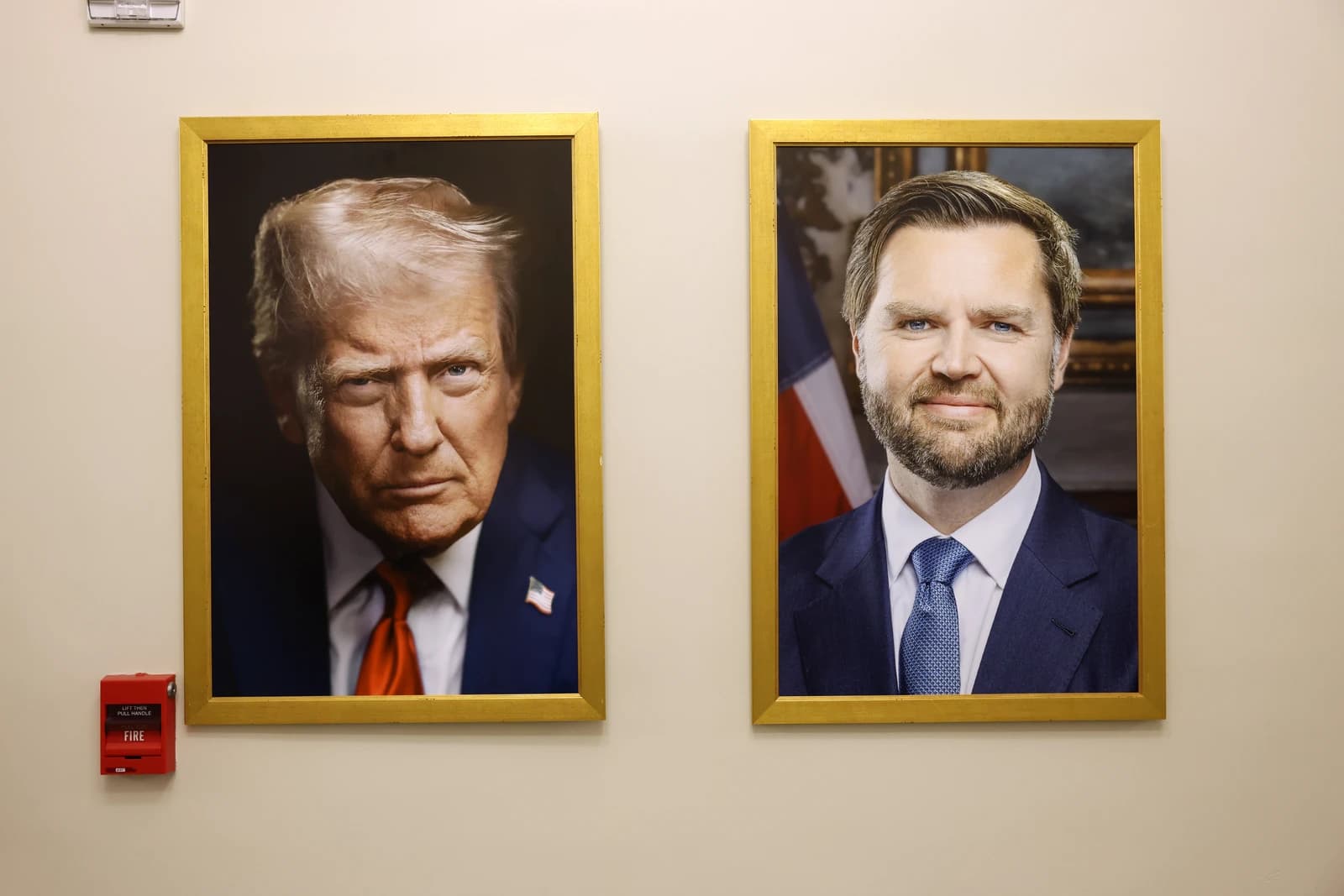
Europe’s far-right leaders are quickly dialing back their public embrace of Donald Trump after a crushing Republican defeat in the United States, a shift that could weaken one of the movement’s most visible transatlantic political brands.
Europe Far Right Recalibrates on Trump After GOP Loss
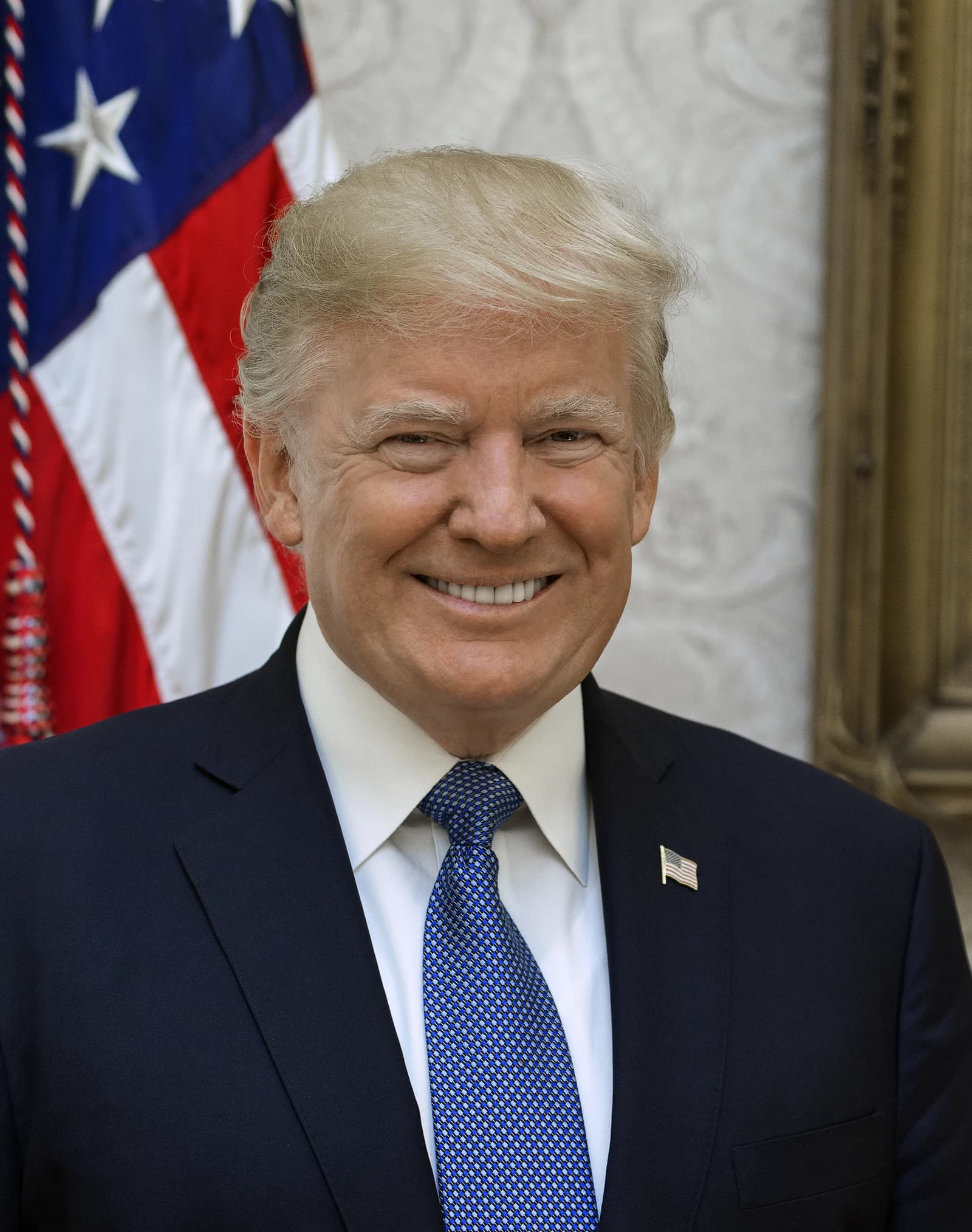
The repositioning matters because Trumpism had become a powerful shorthand for anti-establishment, nationalist politics across Europe. With inflation, war and living costs dominating voter concerns, far-right figures now see the US president’s foreign-policy choices — especially the Iran strike — as a liability rather than a boost.
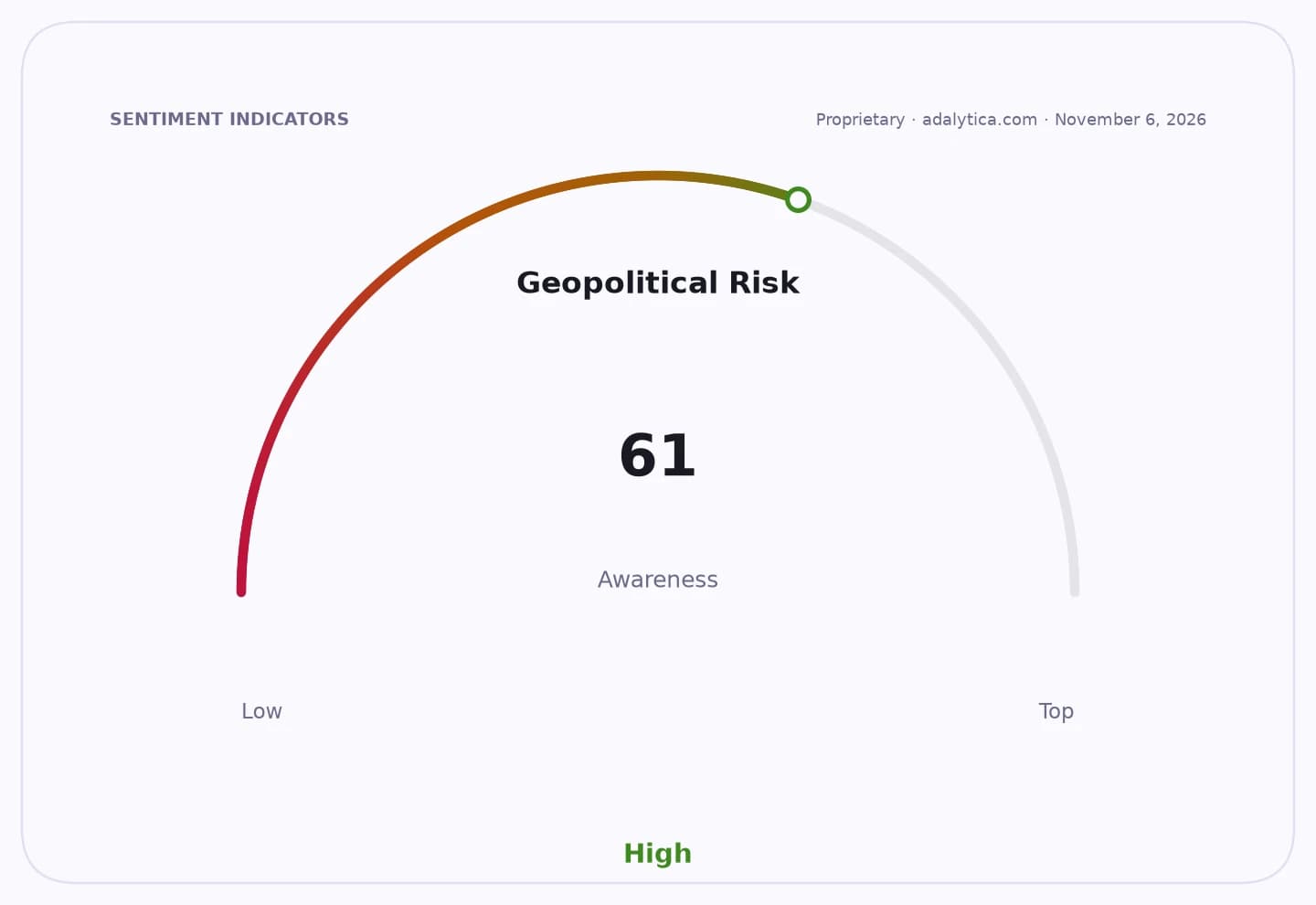
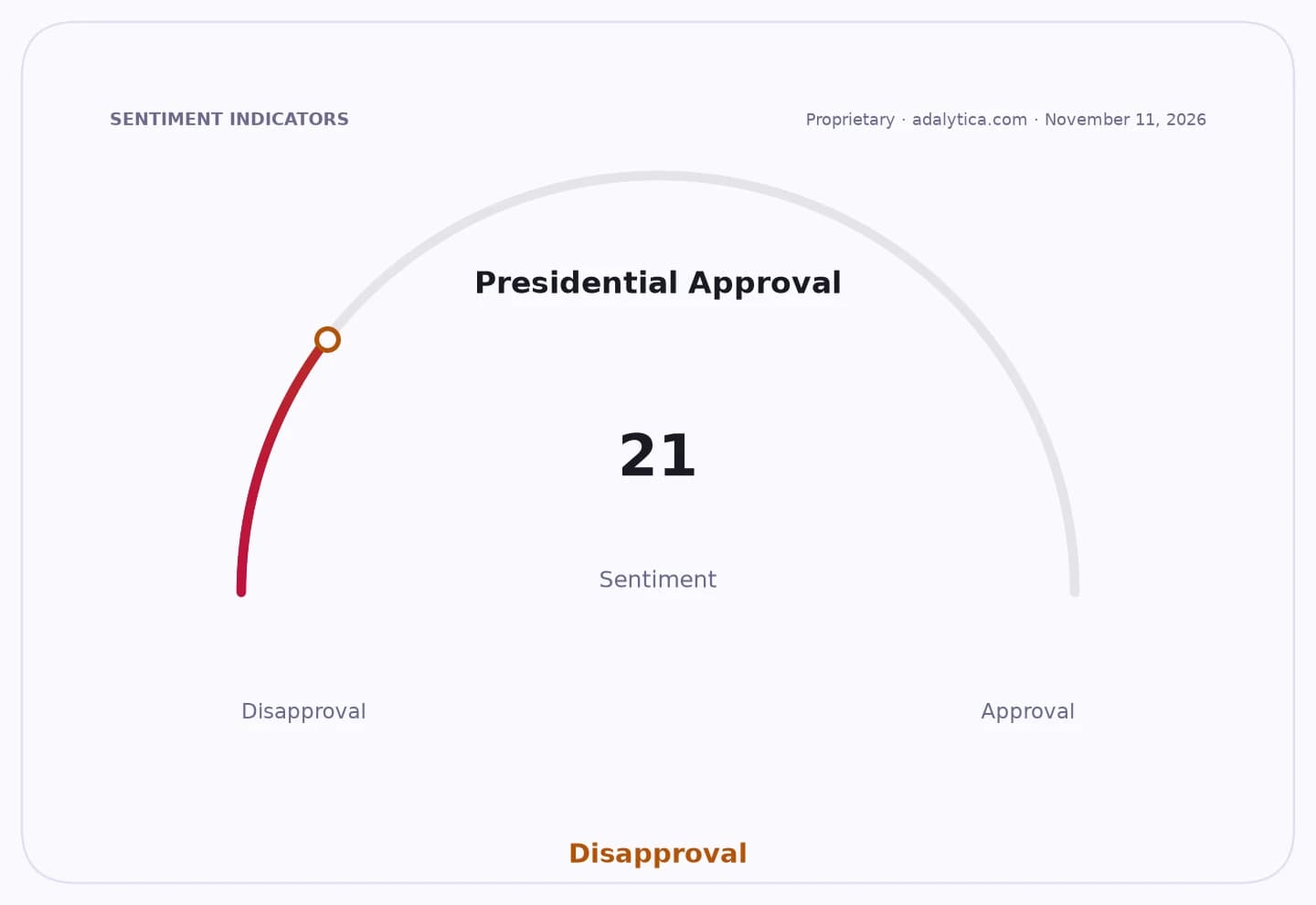
Sentiment Indicators
Jordan Bardella, who leads France’s National Rally, said Trump’s second term has been less isolationist than his first and warned that US intervention in Iran carries “very heavy consequences” for economies around the world. In Germany, Alice Weidel of Alternative for Germany blamed the election result in part on the same issue, saying Trump’s promise to avoid interventionist foreign policy had boomeranged on Republicans.
Other European nationalists took a similar line. Britain’s Rupert Lowe called the Iran attack a “catastrophic mistake,” while Italy’s Matteo Salvini said the US result was shaped by wars, global tensions and the rising cost of living. Roberto Vannacci, a former Italian general and politician who had praised “America First,” said Trump had failed to end the war between Russia and Ukraine and had instead opened another conflict with Iran, stoking energy prices and financial turmoil.
The political recalibration underscores a simple problem for Europe’s hard right: Trump’s brand is still useful, but his governing record may be turning into an electoral drag. Mujtaba Rahman of Eurasia Group said the movement wants the “ideological momentum” of Trumpism without the cost of what he called the chaos and economic upheaval of the Trump presidency.
That calculus cuts both ways. If Trump and the MAGA network decide European allies are no longer helpful, they could withhold backing or even turn on them, creating a new fault line inside the transatlantic nationalist camp. For investors, the larger issue is that the far right is increasingly framing geopolitics — particularly the Middle East and energy prices — as central to household inflation, a message that could keep Europe’s political risk premium elevated.
The split also arrives as global stability gauges remain stretched. Adalytica’s Global Stability Sentiment sits at 86, or “Extreme Greed,” while awareness is only 11, or “Extreme Fear,” suggesting a market backdrop that is vulnerable to sharp sentiment swings if political or geopolitical shocks intensify.
| Entity | Gains | Losses |
|---|---|---|
| Europe’s far right | ▲Short-term electoral distance from Trump | ▼Clear transatlantic brand alignment |
| Donald Trump / MAGA allies | ▲Loyal hard-right supporters | ▼European nationalist endorsements |
| Anti-establishment voters | ▲More local economic focus | ▼A simple Trump-style rallying symbol |
| Markets / investors | ▲Clarity on political positioning | ▼Higher geopolitical and inflation risk |