Europe’s gas market is once again pricing in scarcity, and that matters because a tight storage backdrop can turn a manageable energy problem into a winter inflation shock. Dutch front-month TTF futures closed at 72.46 euros per megawatt-hour on Sept. 4, after touching 73.63 euros two days earlier, while U.S. Henry Hub gas rose to $2.94 per million British thermal units, underscoring how Europe is carrying the heavier supply-risk premium.
Europe Gas Prices Rise on Tight Storage
The real issue is not the day-to-day price move but the message it sends to households, utilities and industry: Europe cannot assume smooth replenishment heading into the heating season. When storage is short, every cold spell forces buyers into the spot market, where prices can spike fast and feed directly into power costs, heating bills and factory margins. That is how a gas shortage becomes a broader macro story, squeezing disposable income and complicating the European Central Bank’s inflation path.
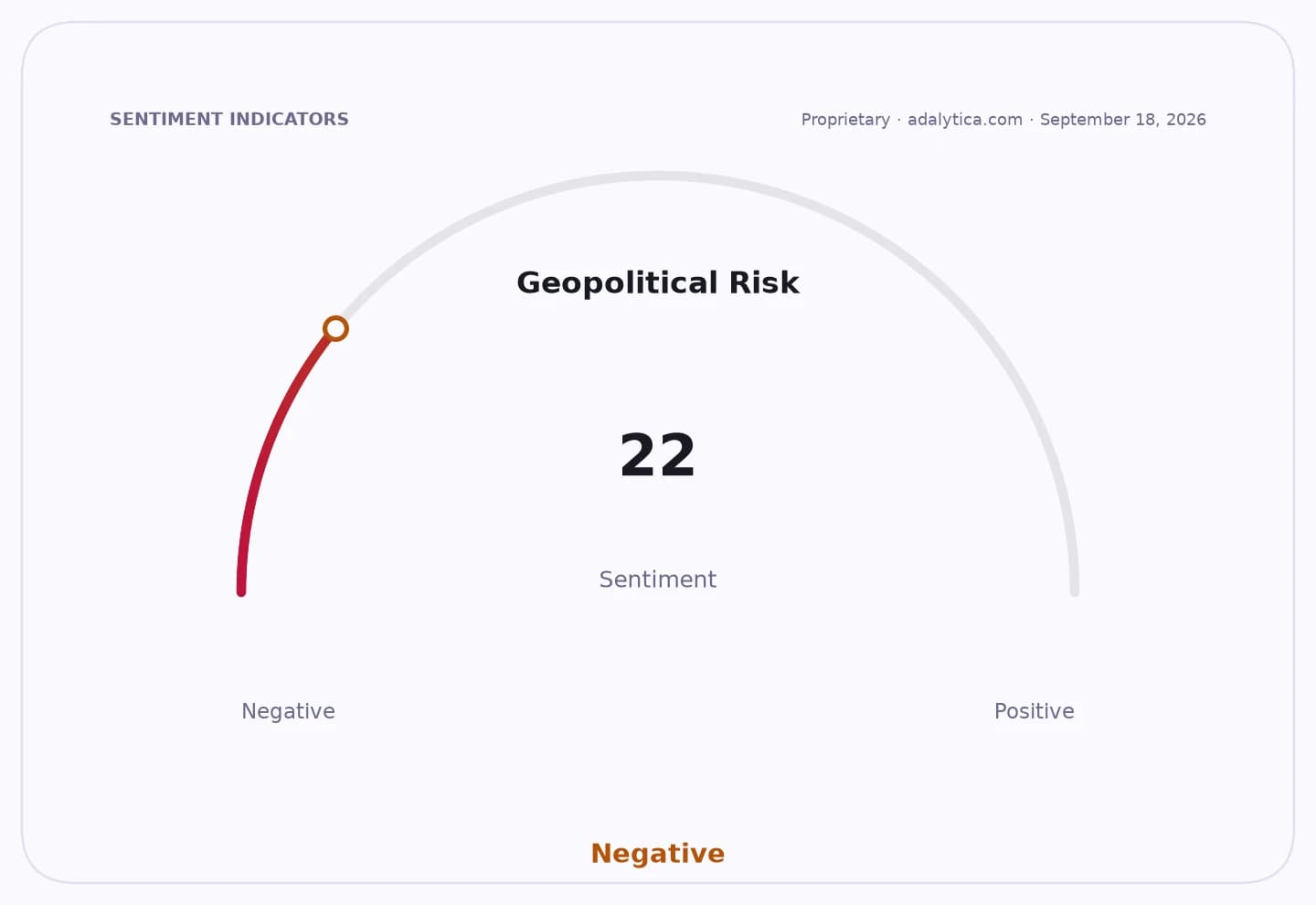
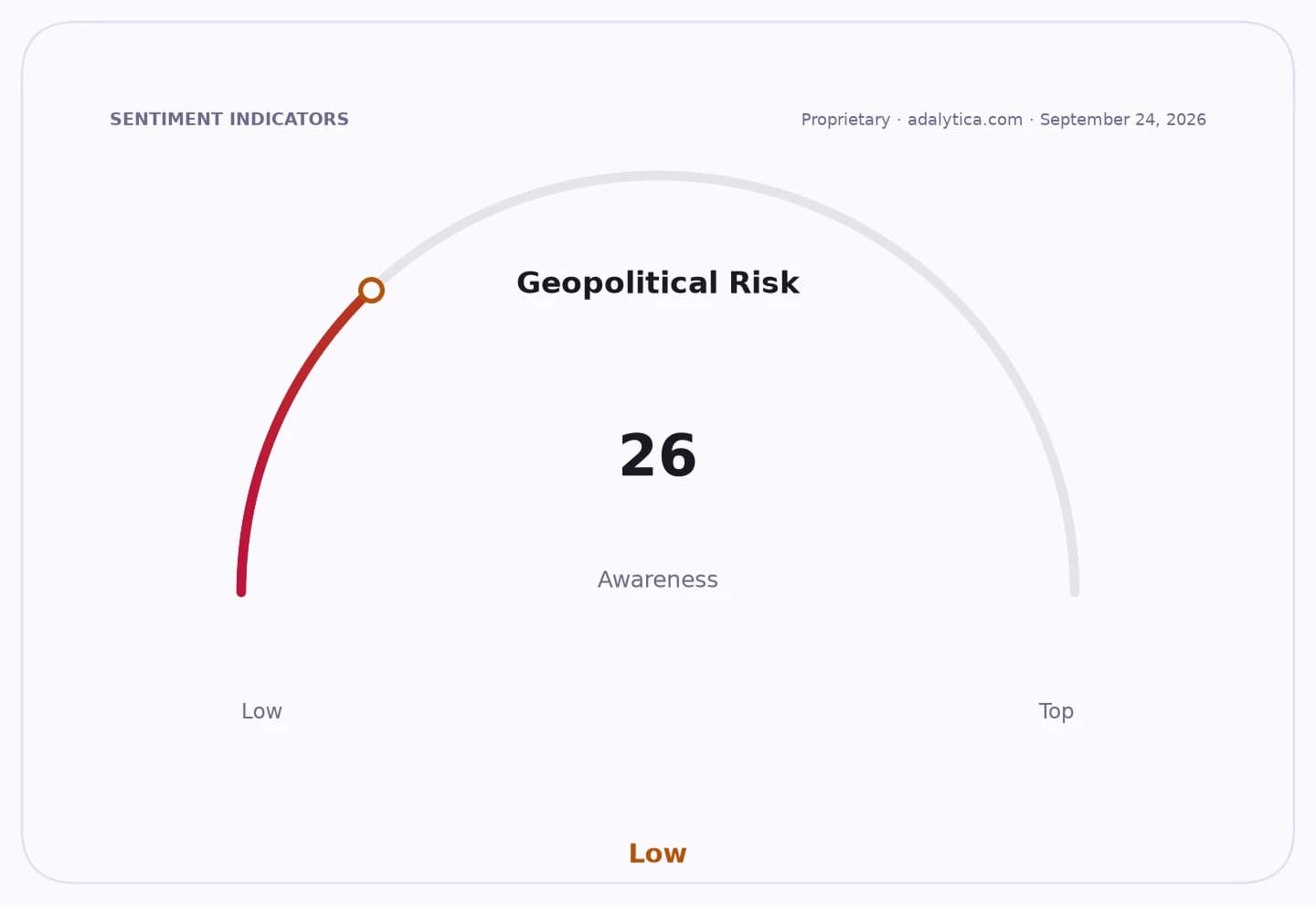
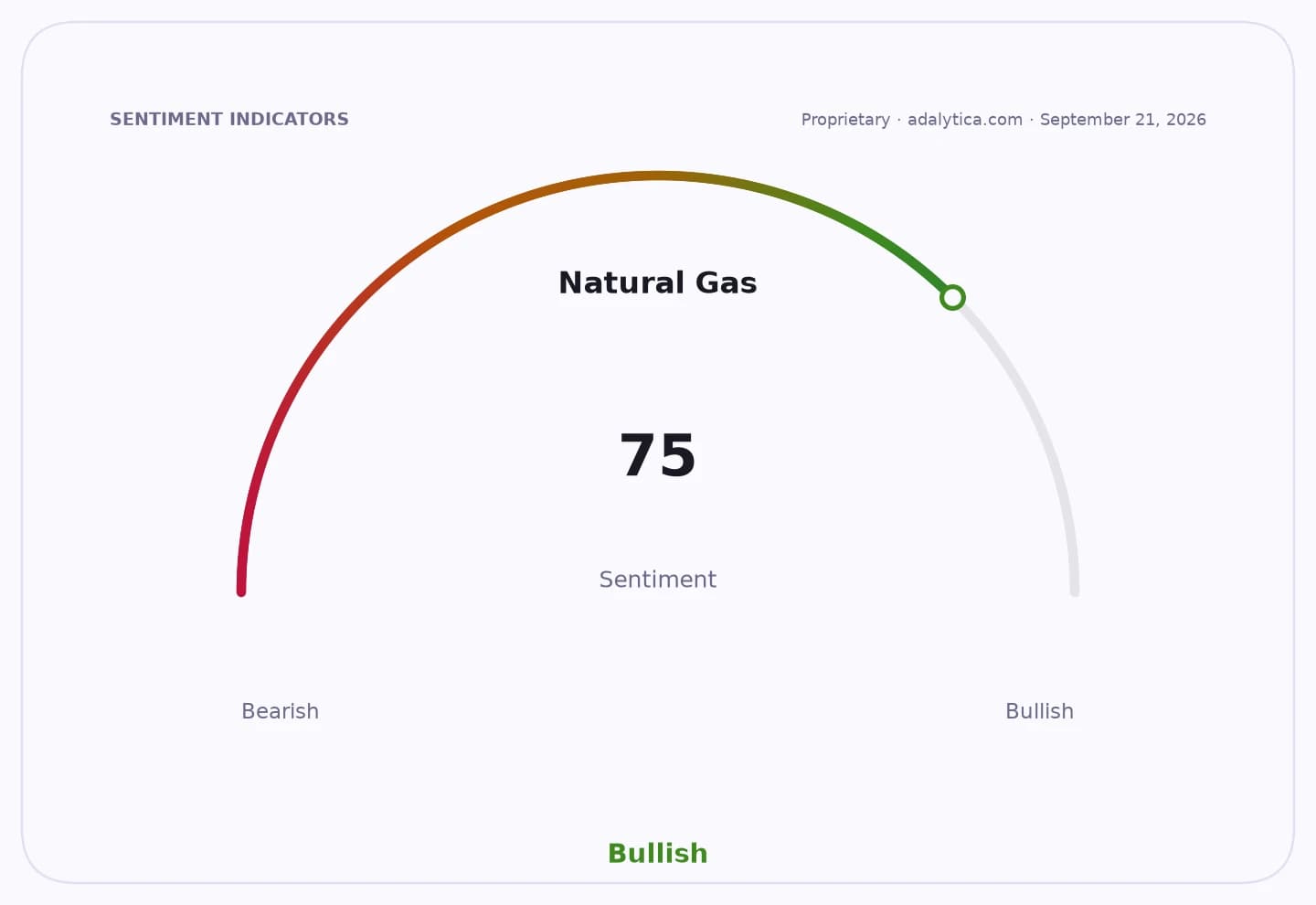
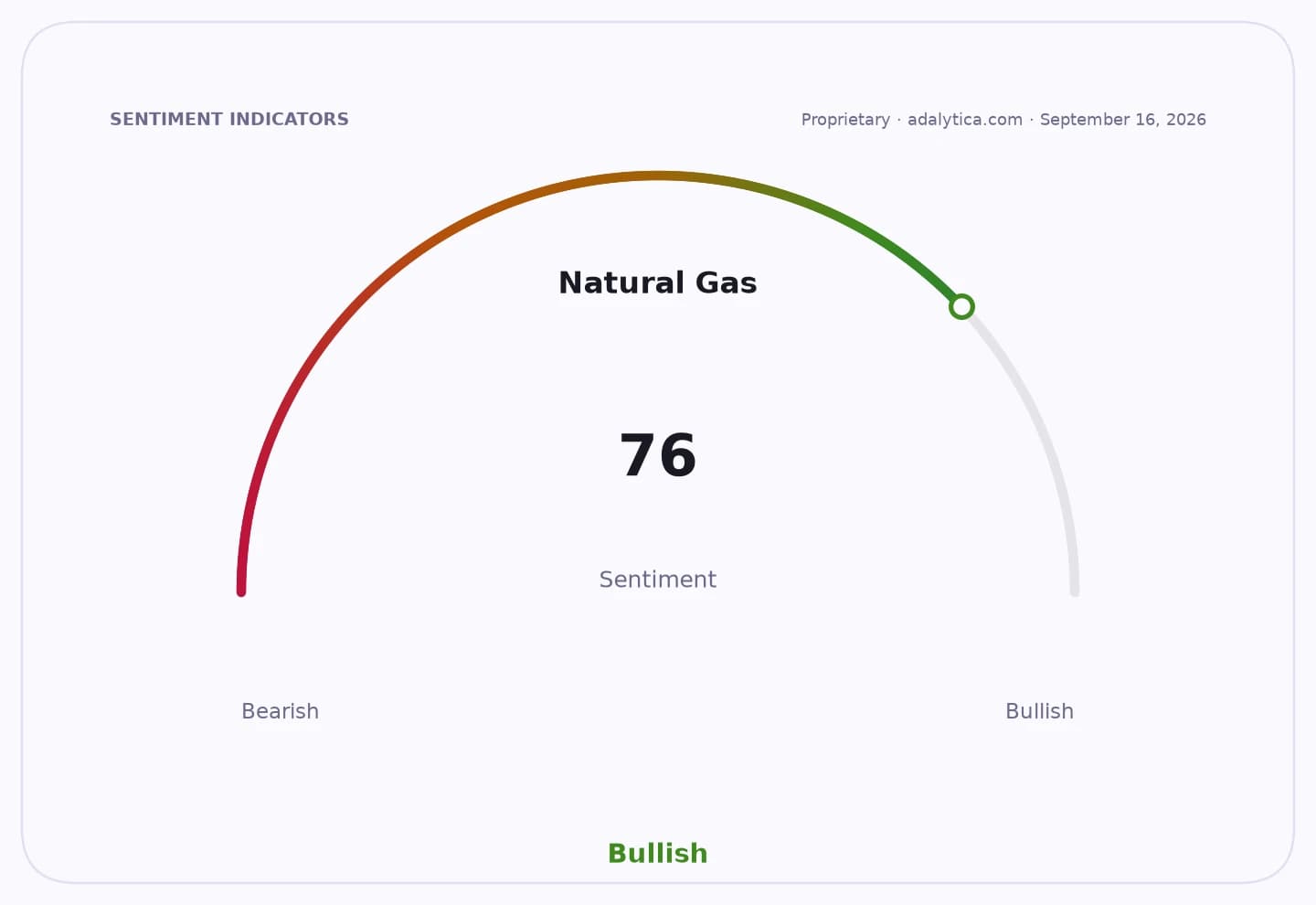
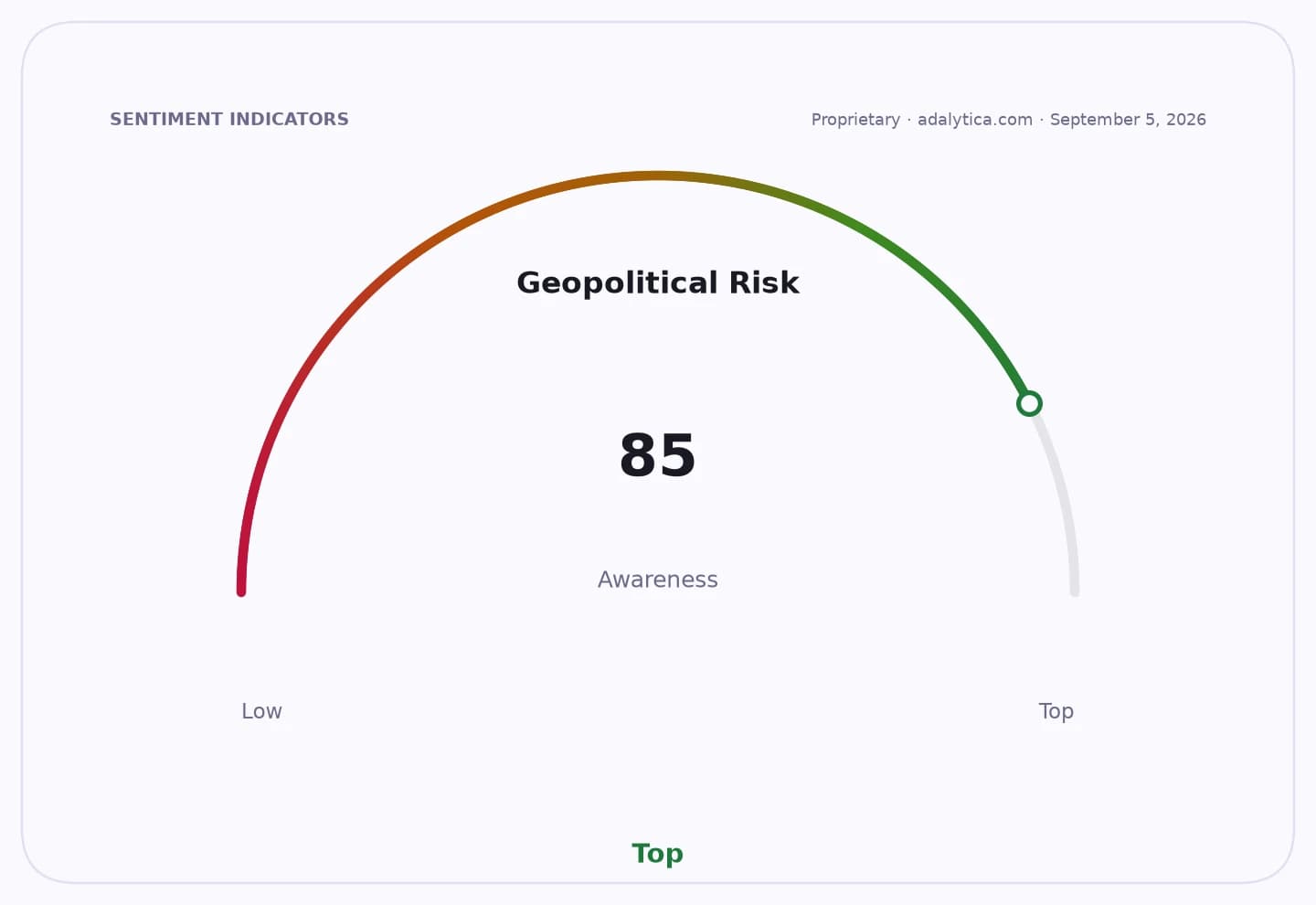
Sentiment IndicatorsⓘProprietary · adalytica.com · September 5, 2026
This is a snapshot — live sentiment, awareness and momentum for 130+ markets update continuously in the dashboard.Open AlphaPulse
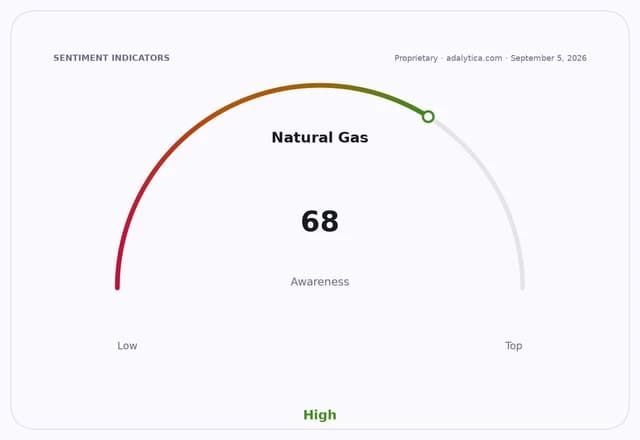
The market is already treating this as more than a temporary wobble. TTF is trading well above its 50-day moving average of 58.36 euros and far above the 200-day average of 44.7 euros, with the RSI at 73.8, a level that indicates the rally is still technically stretched. In U.S. gas, sentiment tracked by Adalytica.com has collapsed to “Extreme Fear,” showing how quickly traders have shifted from complacency to defensive positioning even as prices remain above recent lows.
That divergence matters for investors. Europe’s shortage risk tends to reward the companies that control molecules, shipping and infrastructure, not the regions that simply consume them. LNG exporters, tanker operators, pipeline owners and storage-linked utilities can all benefit from a market that remains under-supplied and volatile. On the other side, chemical producers, industrial power users and rate-sensitive European equities remain exposed to another round of margin pressure if winter demand collides with thin inventories.
This is also why the geopolitical angle cannot be ignored. Europe’s attempt to replace Russian pipeline gas with global LNG has left it more dependent on a competitive seaborne market, where Asia and Latin America can quickly bid cargoes away. Any interruption in supply, any hotter-than-normal winter or any policy delay on storage targets could send TTF sharply higher again. The market underestimates how quickly a storage shortfall can snowball into a pricing event.
For investors, the thesis is straightforward: stay positioned for persistent volatility in European gas, not normalization. The best setup remains in infrastructure owners, LNG-linked beneficiaries and energy producers with export leverage, while European industrials and utilities facing input-cost exposure remain the cleanest losers if storage anxiety deepens into winter.
| Entity | Gains | Losses |
|---|---|---|
| LNG exporters | ▲Higher spot prices | ▼More competition for cargoes |
| European gas consumers | ▲None | ▼Higher heating and power bills |
| Infrastructure and storage owners | ▲Scarcity premium | ▼Limited downside protection |
| European industrials | ▲None | ▼Margin compression |