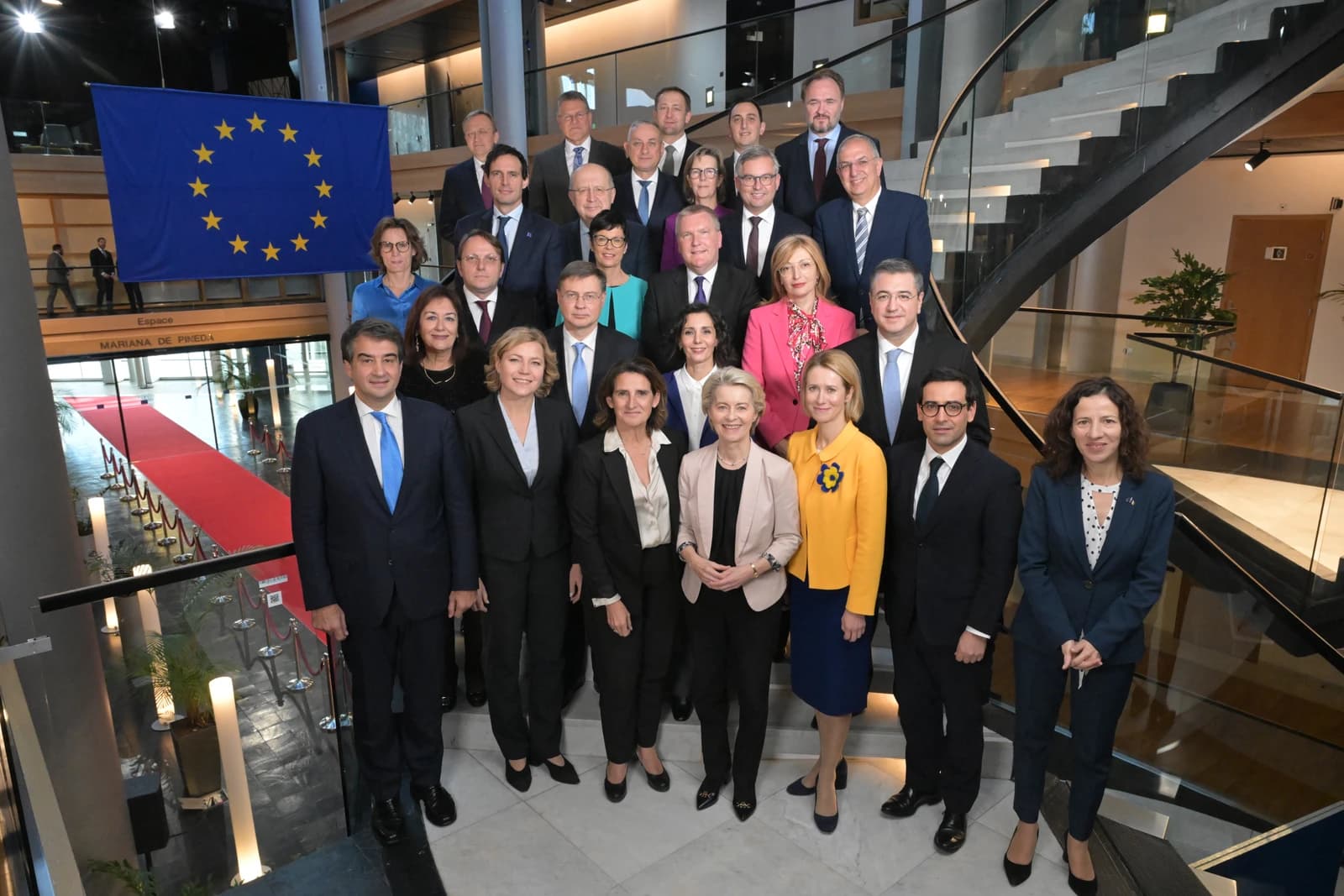
Europe’s failure to agree on sanctions targeting Russian liquefied natural gas is more than a diplomatic stalemate — it is a reminder that energy security still trumps political unity when the economic stakes are high.
Europe’s LNG Sanctions Delay Supports Global Gas Trade
For investors, that matters because Russian LNG remains part of a global market that is already tight, volatile and deeply sensitive to geopolitics. A clean-cut sanctions regime could have forced a bigger reshuffling of shipping routes, supplier contracts and pricing power across Europe and Asia. Instead, the delay keeps the status quo intact for now, preserving Russian flows into the market and reducing the risk of an abrupt supply shock that would have lifted gas prices and rippled through power costs, industrial margins and inflation.
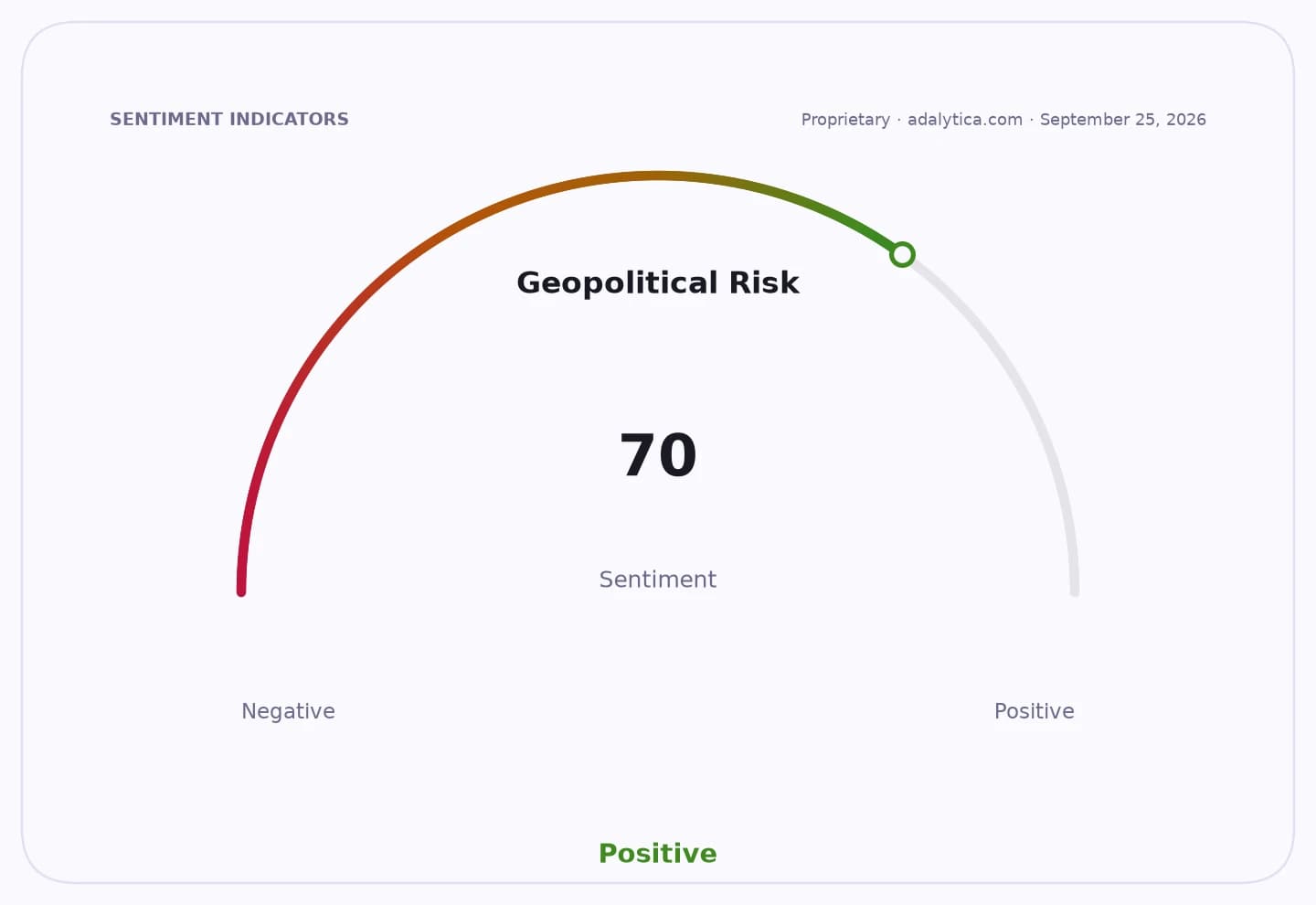
Sentiment IndicatorsⓘProprietary · adalytica.com · July 20, 2026
This is a snapshot — live sentiment, awareness and momentum for 130+ markets update continuously in the dashboard.Open AlphaPulse
That uncertainty is showing up in the broader energy complex. U.S. crude futures are trading around $78 a barrel in the latest reading, while 10-year Treasury yields are near 4.56%, a mix that suggests markets are still pricing geopolitical risk into inflation expectations and discount rates. Natural gas, meanwhile, remains under pressure in the U.S. market, with UNG sliding to about $10.27 and sitting below both its 50-day and 200-day moving averages. That tells you investors are not yet betting on a broad, immediate spike in gas prices — but they are also not getting a decisive policy signal from Europe that would justify a lasting reset.
The clearest corporate winner in a world where Russian LNG sanctions remain unresolved is the global LNG industry itself. Exporters from the U.S., Qatar and Australia avoid an abrupt disruption that could have scrambled contracts and shipping logistics. European utilities and heavy industry also get a near-term reprieve from the kind of price shock that would have squeezed margins and consumer spending. The losers are the policymakers trying to use sanctions as an economic weapon, along with Moscow, which still needs to navigate a sanctioning regime that is growing tougher in many other areas even as LNG remains a harder target.
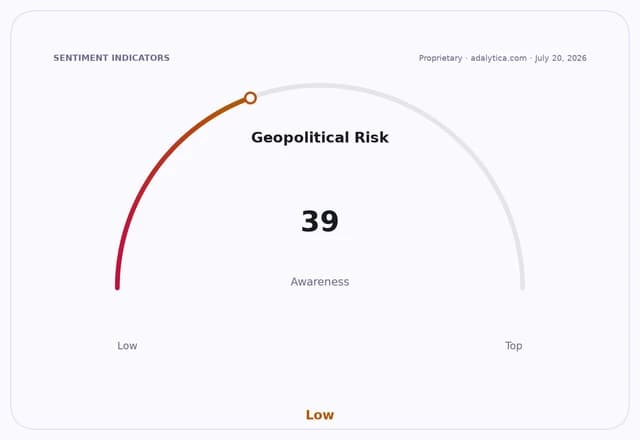
Geopolitical Risk vs LNGadalytica.com
Explore this data interactively — full history, time series and cross-market comparisons.Open AlphaPulse
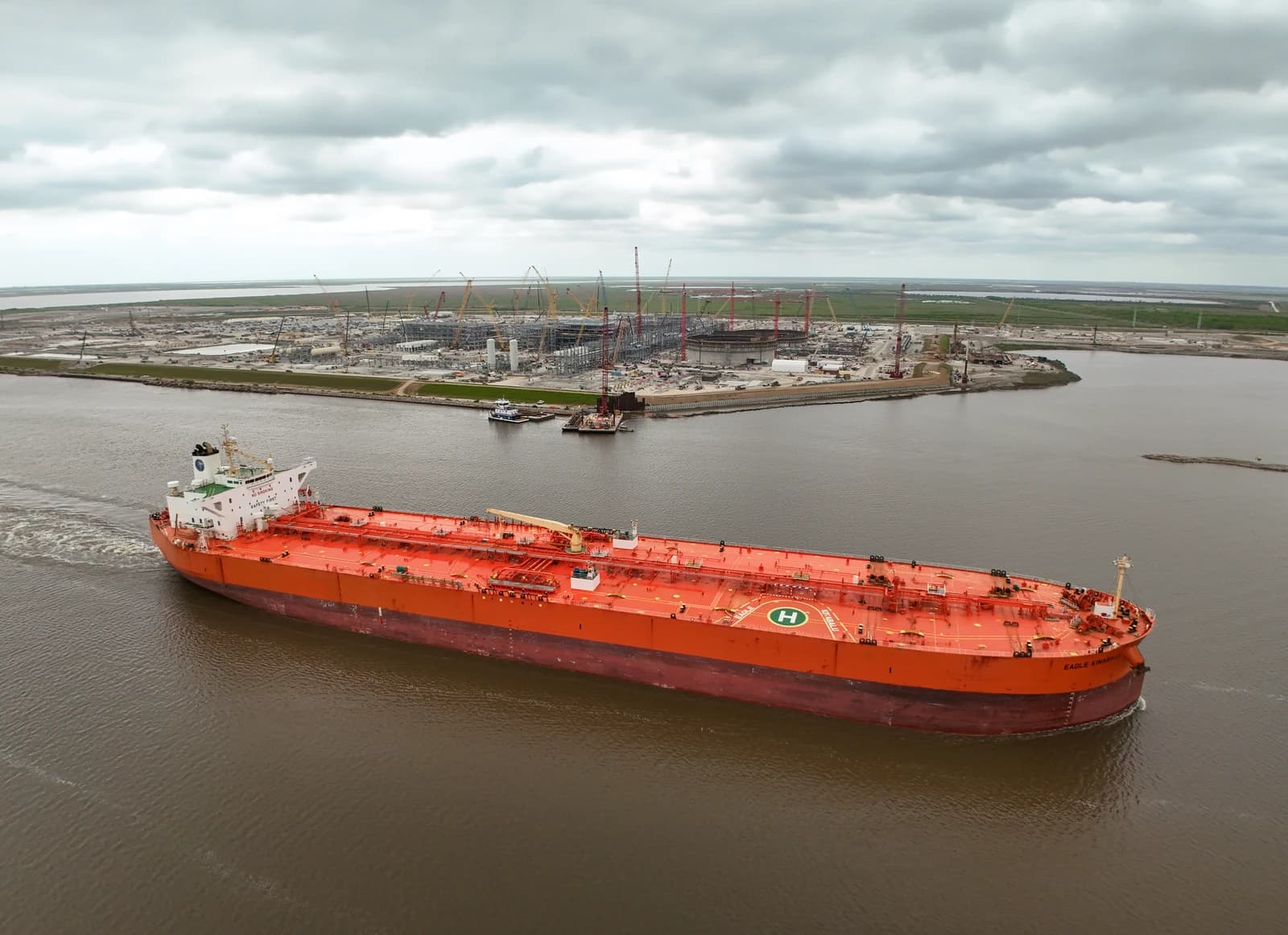
The bigger long-term story is that Europe’s hesitation reinforces how critical LNG infrastructure has become. The region still needs flexible imports to replace pipeline gas, and that dependence gives suppliers leverage. At the same time, the latest industry backdrop points to a more competitive LNG shipping market, with Chinese shipbuilders accelerating orders for LNG carriers as South Korea tries to defend its technological lead. That matters because the next phase of the LNG trade will be shaped not just by molecules, but by shipyards, terminals and the ability to move cargoes quickly across regions.
For long-term investors, the message is straightforward: energy geopolitics is not fading, it is becoming structural. Europe’s inability to move on Russian LNG sanctions may delay the next price shock, but it does not remove the underlying investment case for companies tied to LNG export capacity, transport and infrastructure. If you own the right diversified energy names, this is the kind of policy gridlock that can support cash flows for years. Keep it on the watchlist, and think in decades, not days.
| Entity | Gains | Losses |
|---|---|---|
| Russian LNG exporters | ▲Keep market access | ▼Face slower pressure |
| European buyers | ▲Avoid immediate price shock | ▼Stay dependent on LNG |
| U.S./Qatar/Australia LNG suppliers | ▲Preserve stable demand | ▼Miss a bigger price spike |
| Sanctions advocates | ▲More time to build consensus | ▼Policy credibility takes a hit |