Enemalta’s new LNG supply agreement lands at a moment when Europe’s gas market is being reshaped less by demand growth than by the need to lock in reliable supply amid geopolitical and regulatory shocks.
Europe’s LNG Tightness Favors Long-Term Suppliers
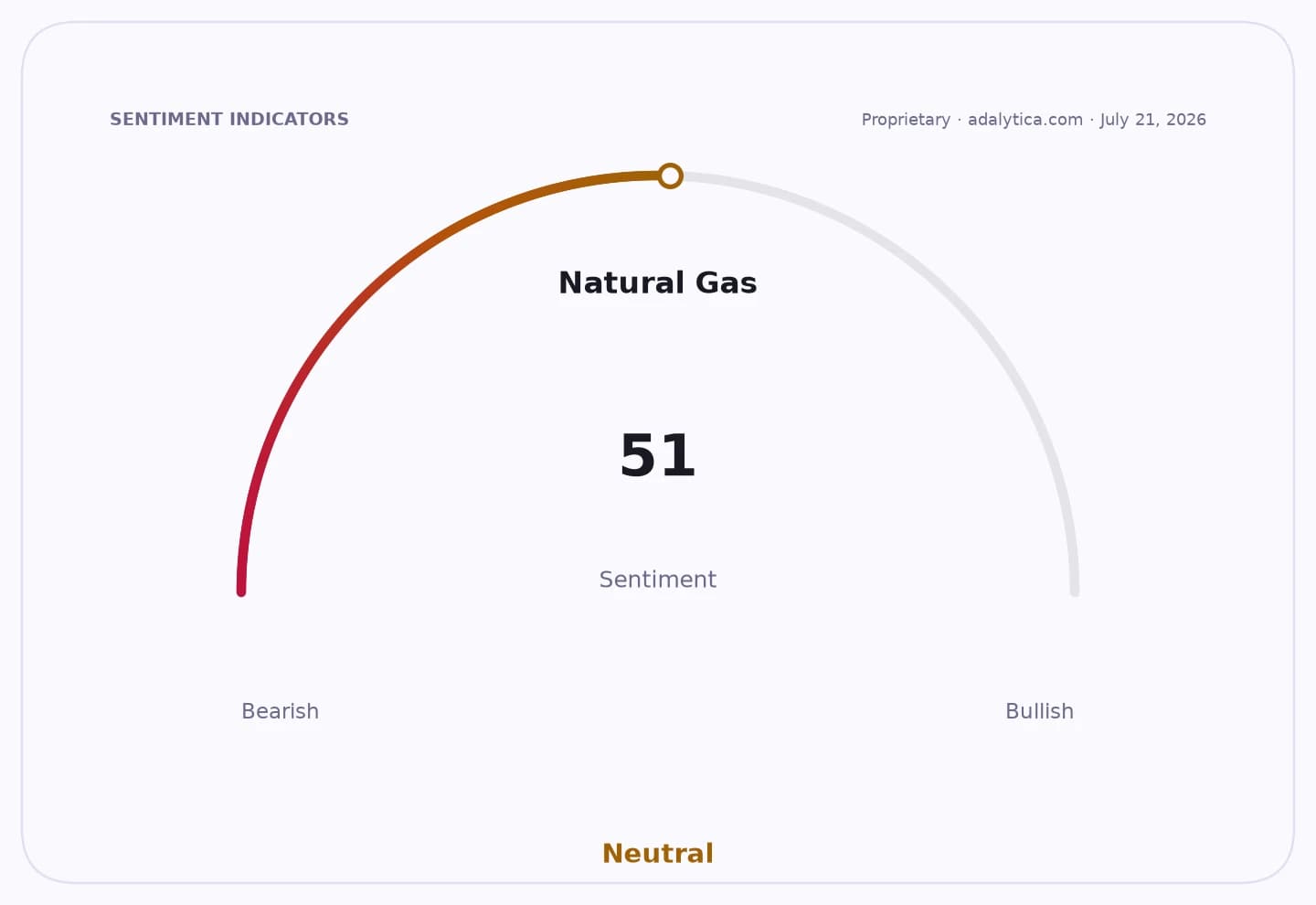
For Malta’s state-owned utility, the deal matters because LNG is no longer just a fuel choice but a security-of-supply instrument. Europe’s daily LNG imports have fallen to their lowest level since September 2024, while importers are still scrambling to secure cargoes ahead of the EU’s 2027 ban on Russian LNG. That combination is tightening the contest for available molecules, especially for smaller buyers that lack the scale and storage flexibility of the region’s biggest energy firms.
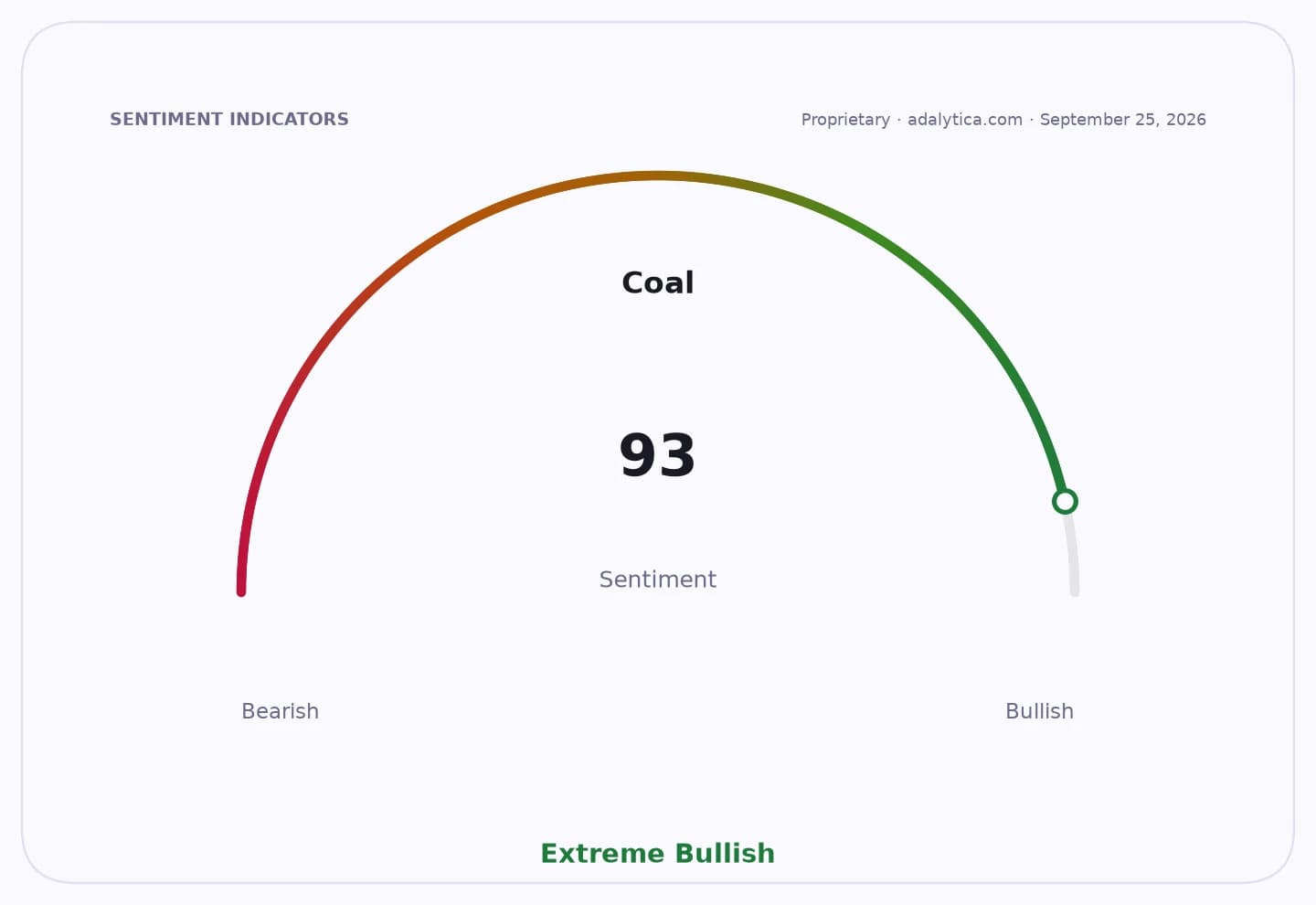
The agreement should help Enemalta reduce exposure to spot-market volatility and the risk of being forced to buy at short notice into a choppy market. Asian LNG prices have climbed to a four-month high on renewed tension in the Gulf, reinforcing the broader point: even when crude and European credit markets are relatively orderly, LNG pricing can move sharply on geopolitical headlines. The latest readings on Brent-linked oil markets and US yields also underscore that financing and feedstock costs remain unstable, adding another layer of pressure on energy importers and their customers.
For investors, the significance sits less in Enemalta itself than in what the contract says about the market. Utilities and downstream buyers are increasingly prioritizing contract coverage over opportunistic buying, a shift that supports long-term LNG sellers, shipping groups and exporters with firm capacity. Producers such as Shell and Equinor, both of which remain active in gas and LNG, stand to benefit from firmer contract demand even as the trade-off is weaker near-term flexibility for buyers. Cheniere Energy and other US exporters should also see continued support if Europe and Asia keep competing for Atlantic Basin supply.
There is still a bear case. If spot prices retreat or geopolitical risks ease, fixed supply agreements can look expensive versus the market. Smaller importers like Enemalta also face the risk that locking in supply now limits their ability to capture lower prices later. But in the current environment, the balance of risk runs the other way: the cost of not securing LNG is rising faster than the cost of overcommitting.
The deal fits a wider pattern across Europe and beyond, where buyers are using medium- and long-term contracts to manage an unusually unstable energy backdrop. With the EU moving toward a Russian LNG ban and Asian demand proving volatile, the next phase of the market will likely reward suppliers with dependable cargoes and punish buyers left exposed to the spot market.
| Entity | Gains | Losses |
|---|---|---|
| Enemalta | ▲Supply security | ▼Spot-price exposure |
| LNG exporters | ▲Firmer contract demand | ▼Weaker buyer leverage |
| European importers | ▲More coverage options | ▼Less flexibility |
| Spot-market buyers | ▲Lower urgency if supply is secured | ▼Higher prices in tight markets |