Europe’s push to shoulder more of NATO’s burden is emerging as a direct redistribution of defense dollars away from the United States and toward European procurement, a shift that could reshape who wins the next phase of rearmament.
Europe Reallocates NATO Spending Toward Local Defense Firms

The economic significance goes beyond diplomacy. If allied governments move from broad pledges to actual budget execution, the flow of contracts is likely to tilt toward locally based suppliers, assembly lines and munitions programs in Europe, even as US primes remain important for high-end systems and interoperability. That matters because defense outlays are increasingly one of the few politically acceptable forms of fiscal expansion in an otherwise tight budget environment, and they can support industrial output, employment and capex at a time when growth in parts of Europe remains sluggish.
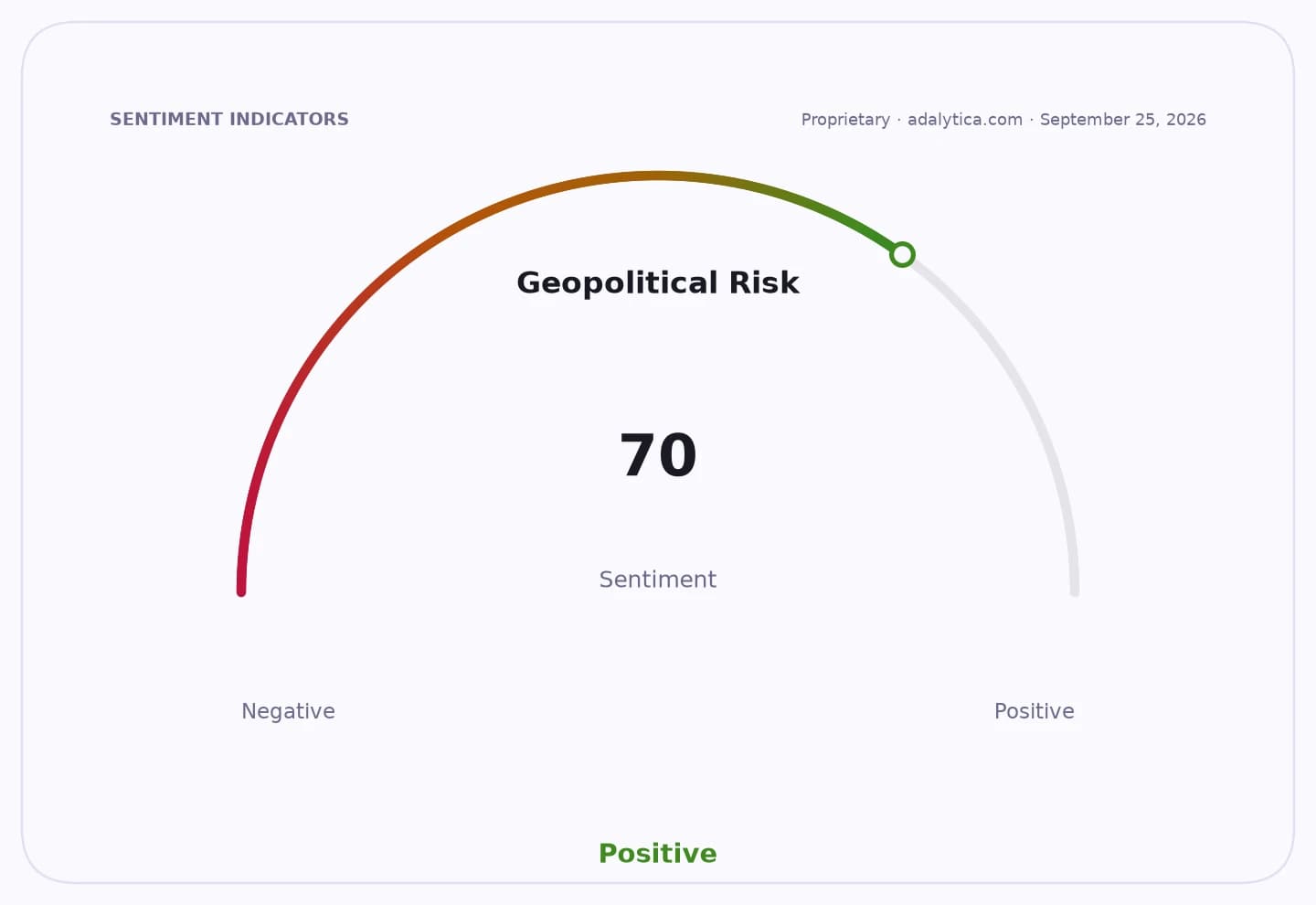
Sentiment IndicatorsⓘProprietary · adalytica.com · July 20, 2026
This is a snapshot — live sentiment, awareness and momentum for 130+ markets update continuously in the dashboard.Open AlphaPulse

The market is already reading that split. US defense names have rallied on expectations of a larger global rearmament cycle, but the latest price action suggests investors are starting to distinguish between companies that benefit from Washington-led modernization and those more exposed to European purchasing patterns. Lockheed Martin, Northrop Grumman and RTX have all seen strong moves this year, though Lockheed’s recent pullback from earlier highs and Northrop’s sharp reversal from its peak point to a market that is no longer pricing defense as a one-way trade. RTX, by contrast, has been steadier, helped by broader exposure across missiles, aerospace and support services.
The policy backdrop is the key. NATO allies have committed to an additional $258 billion in defense spending, with the UK approving £6.3 billion more and other members moving to lift budgets ahead of the summit. That follows months of pressure on Europe to close the gap with the US, but it also reflects a more structural change: European governments are being pushed to buy more for themselves, not just contribute more in the abstract. The “Europeanization” of NATO, as one expert framed it, implies that spending is no longer simply rising in aggregate; it is being reallocated geographically.
For investors, the question is not whether defense demand is improving, but where the margin accrues. US contractors with deep European industrial footprints can still benefit if governments prefer local production and joint ventures. But a greater share of spending retained inside Europe would favor regional suppliers, systems integrators and domestic shipbuilders, while raising the bar for US firms that depend on exports, foreign military sales and transatlantic procurement pipelines. That could matter particularly for firms with less flexible manufacturing bases or more exposure to platforms where European governments are trying to build sovereign capacity.
The bull case for the sector is straightforward: NATO spending targets are rising, geopolitical risk remains elevated, and rearmament programs tend to last for years once contracts are awarded. The bear case is that funding promises do not translate evenly into orders, and political pressure to buy locally can compress the share captured by US primes. The latest technical setup in the stocks reflects that tension: Lockheed is holding above its 50-day moving average, Northrop remains below its longer-term trend after a severe drop, and RTX has recovered closer to its own moving averages, indicating a more balanced profile.
The next catalyst is execution. Investors will watch whether the NATO summit produces firmer national commitments and, more importantly, whether those commitments are converted into procurement plans that prioritize European production. If they are, the rearmament trade may become less about blanket defense spending and more about which side of the Atlantic captures it.
| Entity | Gains | Losses |
|---|---|---|
| European defense contractors | ▲More local procurement | ▼Less US import dependence |
| US primes | ▲Higher allied demand | ▼Smaller Europe share |
| NATO governments | ▲Greater burden-sharing | ▼More fiscal pressure |
| US taxpayers/politicians | ▲Less alliance free-riding | ▼Weaker leverage over spending |