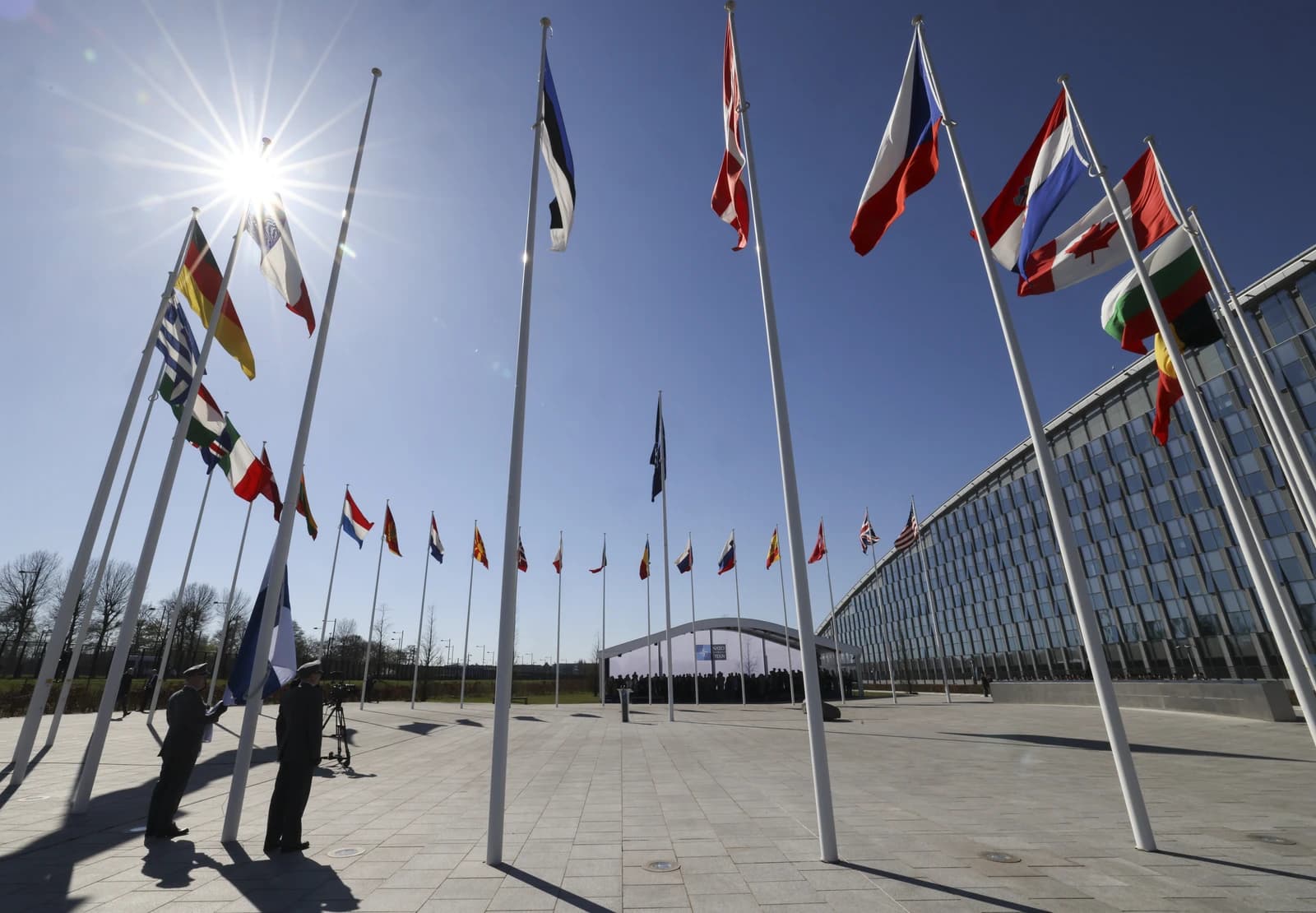
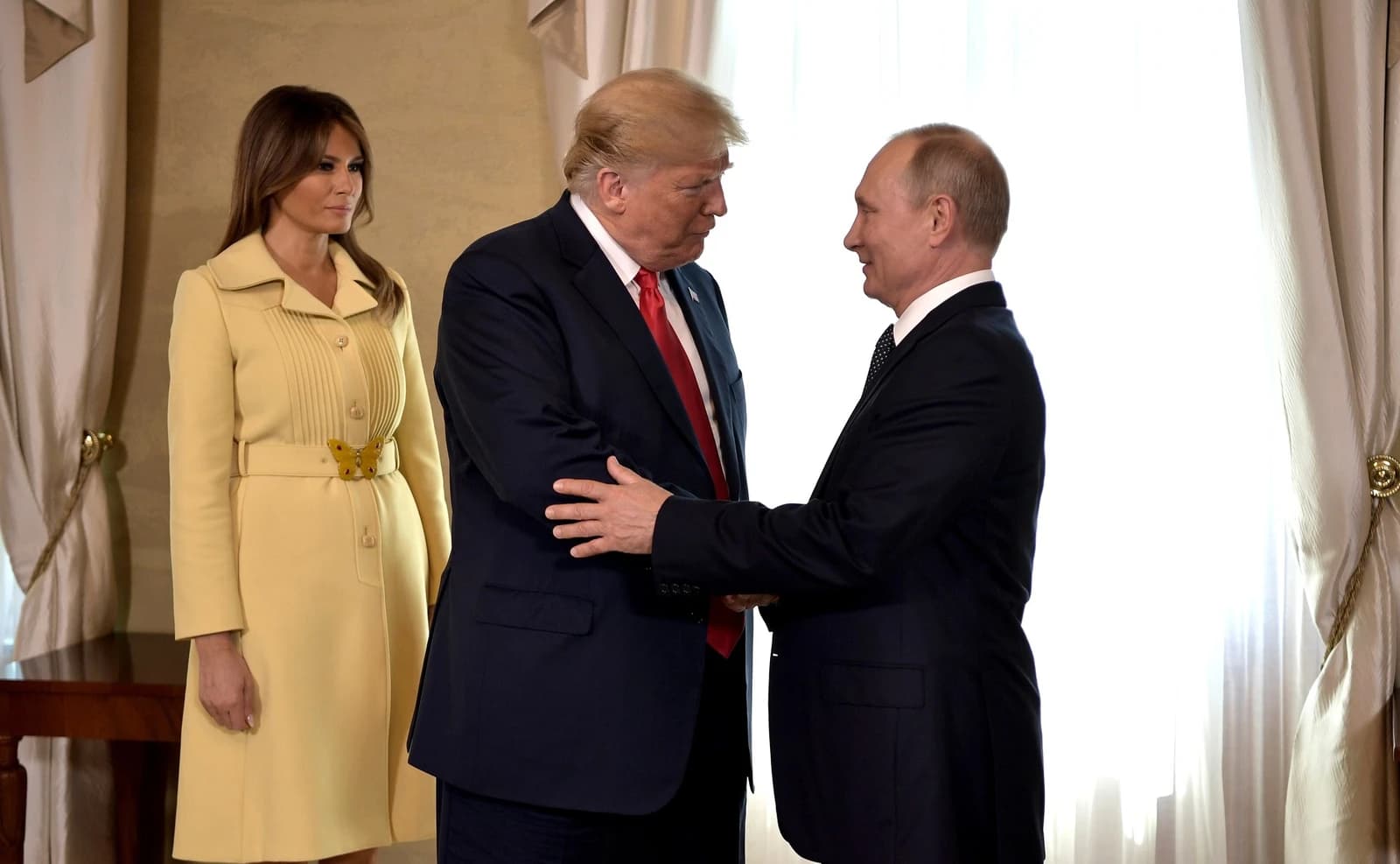
Europe is edging toward a new diplomatic posture on Russia, with officials preparing for possible negotiations with Vladimir Putin as Washington probes a path back to talks and markets begin to reassess the risk of a prolonged war.
Europe prepares for Russia talks as markets watch
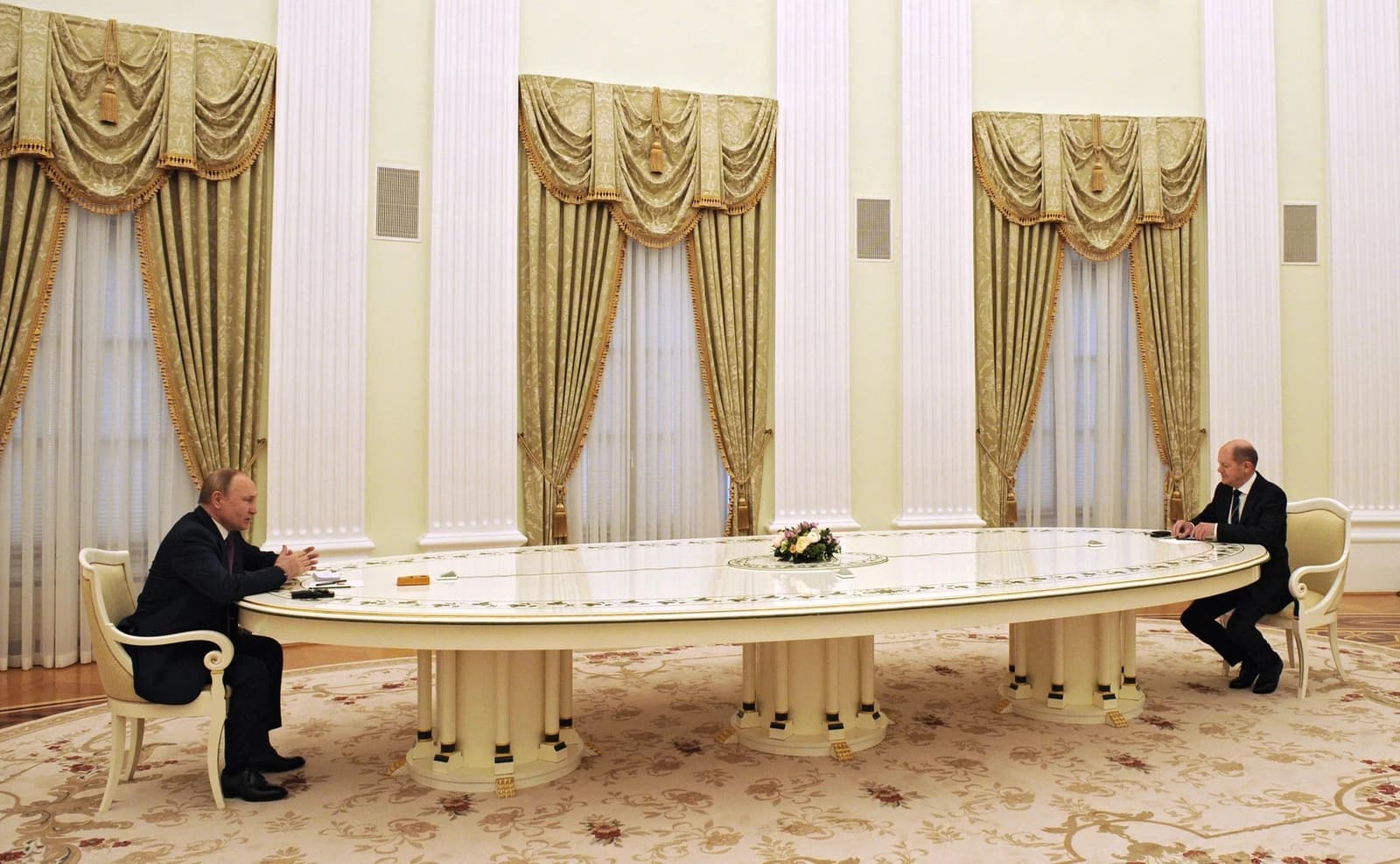
The shift matters because any reopening of dialogue would not just affect the battlefield in Ukraine. It could alter Europe’s energy security assumptions, the trajectory of defense spending and the region’s risk premium after more than two years of sanctions, supply-chain disruption and military rearmament. For investors, the biggest question is whether this is the start of a credible peace track or simply a tactical pause that keeps geopolitical uncertainty elevated.
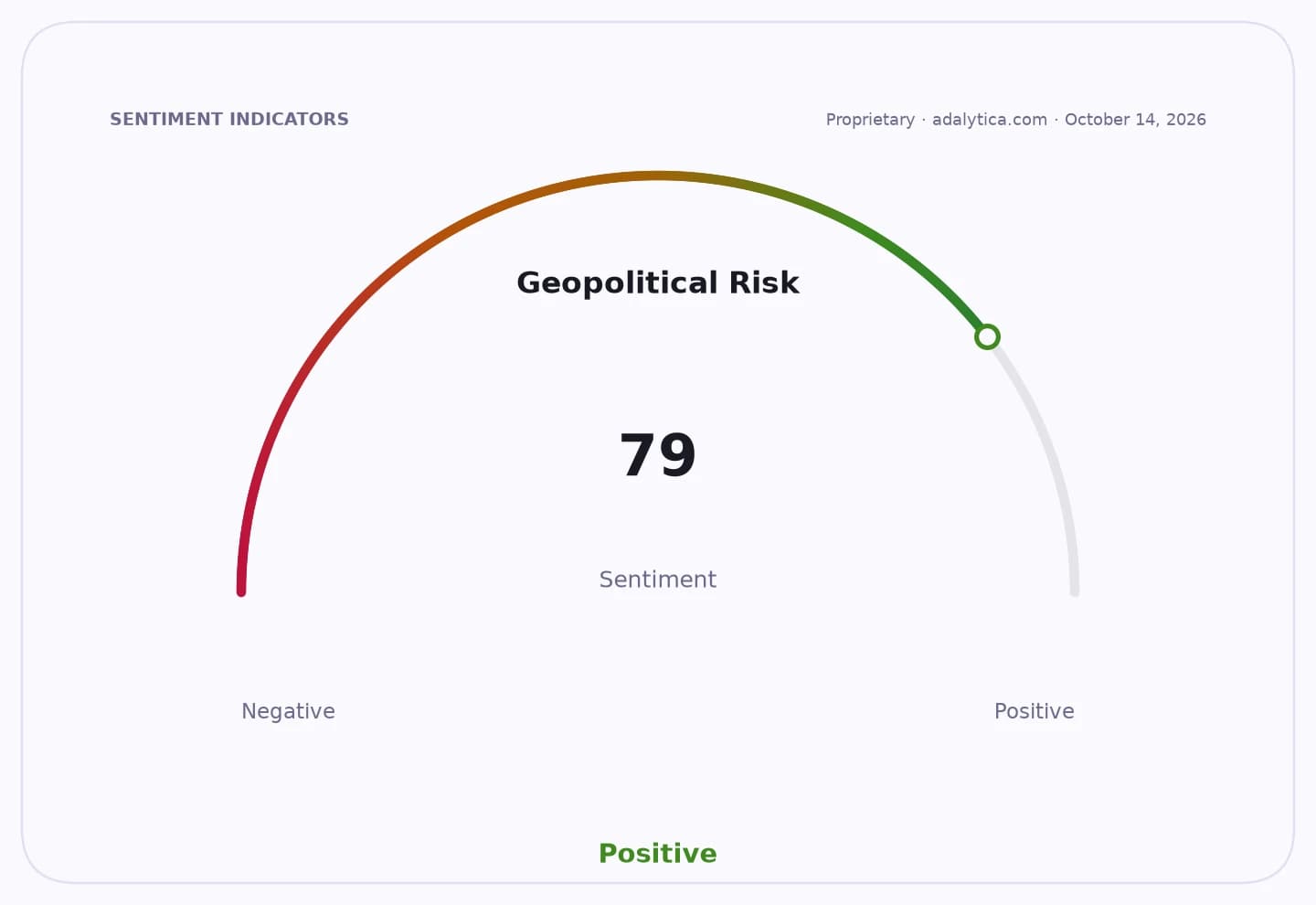
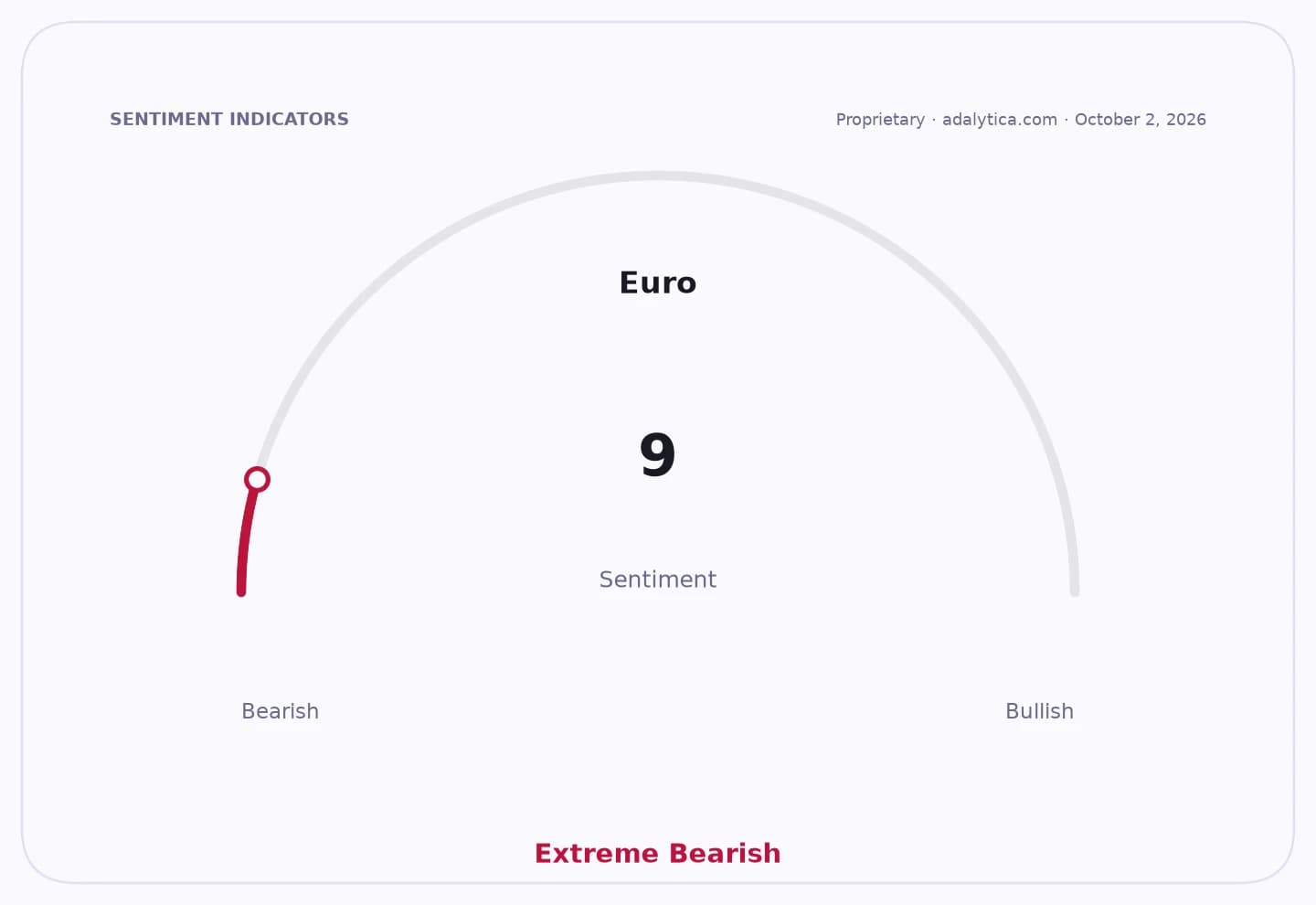
Sentiment IndicatorsⓘProprietary · adalytica.com · October 24, 2026
This is a snapshot — live sentiment, awareness and momentum for 130+ markets update continuously in the dashboard.Open AlphaPulse
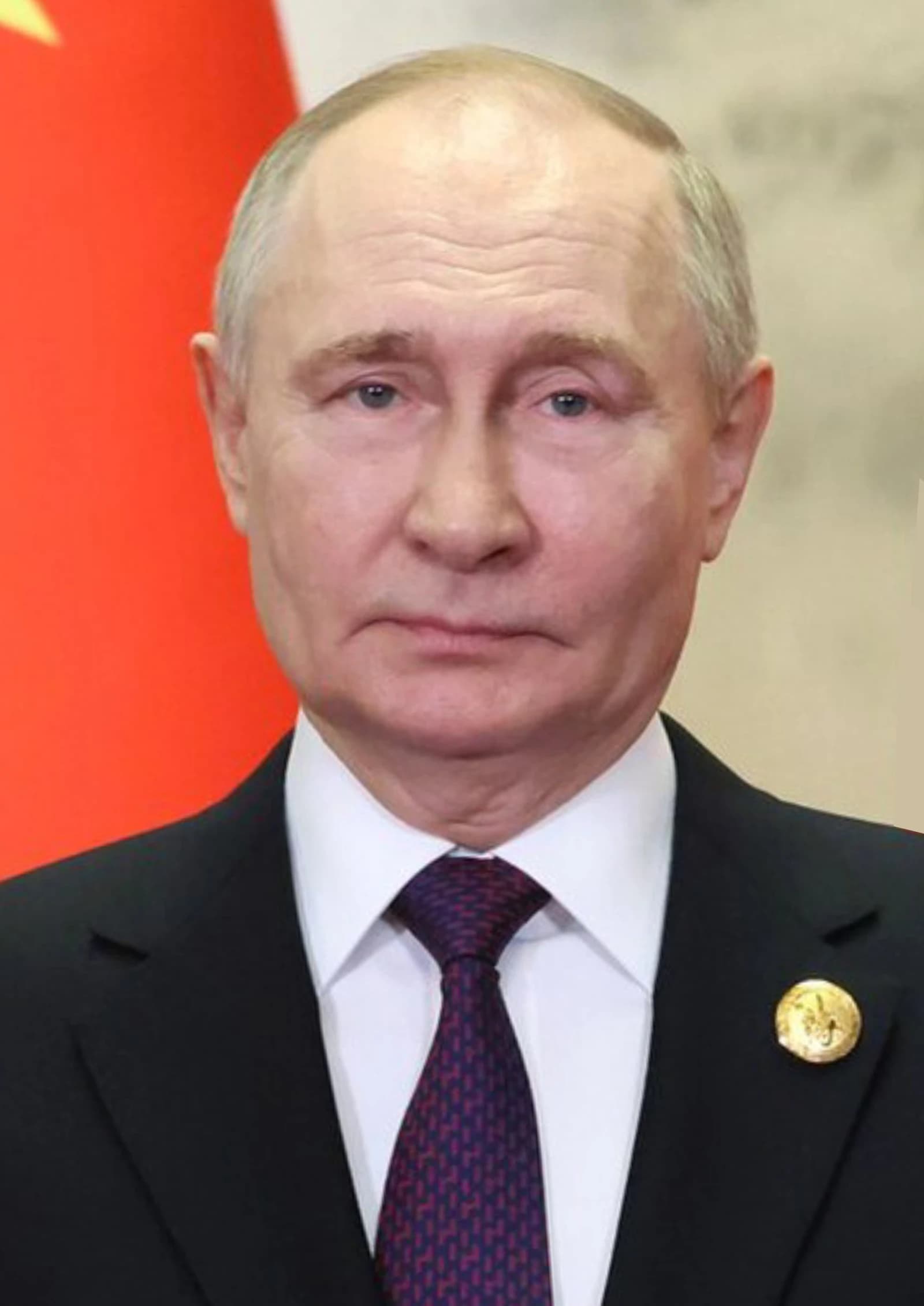
Russian President Vladimir Putin has said he is willing to resume peace talks with Ukraine and the United States, raising the prospect that negotiations could restart as early as mid-November. US special envoy Steve Witkoff has held contacts with leaders on both sides and is pushing for trilateral talks, but the diplomatic gap remains wide and there is no sign yet of a breakthrough on core issues including security guarantees.
That distinction is critical. The market impact of mere dialogue is usually limited and short-lived; the impact of a durable ceasefire or settlement would be much broader. Europe’s economy would face a different energy price outlook, lighter pressure on fiscal budgets from defense outlays and a potentially improved growth backdrop for cyclical sectors. A failure to advance talks, by contrast, would reinforce the case for higher military spending, persistent sanctions and continued caution around eastern European assets.
The response in European exchange-traded funds suggests investors are already trying to price in the possibility of lower geopolitical stress. The iShares MSCI Germany ETF, EWG, has recovered from a March low near $37.45 to $40.94 on Oct. 23, though it remains below its 50-day moving average of $42.53. The fund’s relative strength index was 46.5, indicating momentum has improved but is not yet overstretched, while the MACD stayed below its signal line, a sign the rebound is still tentative.
The iShares MSCI United Kingdom ETF, EWU, has held up better. It closed at $47.52 on Oct. 23, roughly in line with its 50-day moving average and above its 200-day average of $46.55. Its RSI of 65.4 points to firmer near-term demand, though the reading is approaching technically overbought territory. That relative resilience matters because the UK market, like Europe more broadly, is sensitive to any change in the outlook for defense, energy and industrial demand tied to the war.
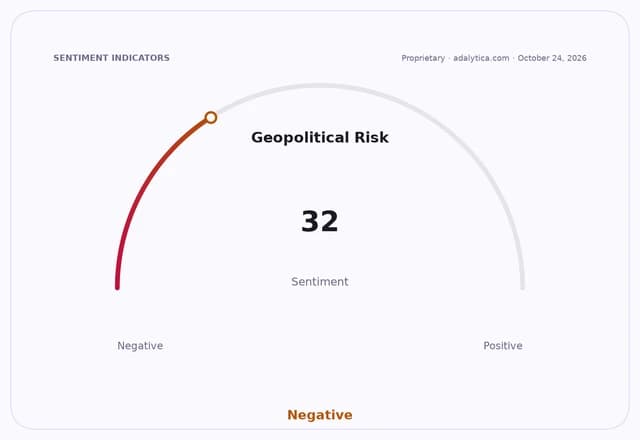
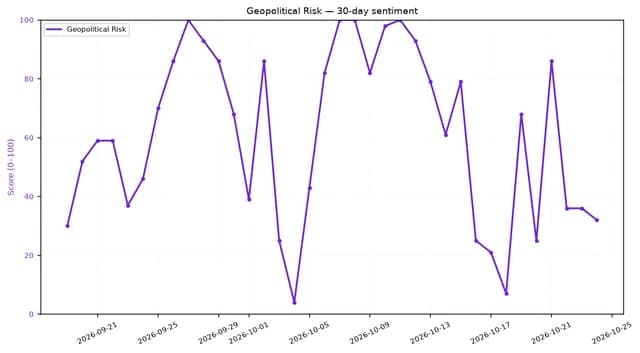
Adalytica’s Global Stability Sentiment gauge has also deteriorated sharply over the past month, dropping to 32 from 68 on Oct. 19, a sign that geopolitical anxiety remains elevated even as diplomacy advances. That underscores the central tension for markets: the headlines are moving toward talks, but investor confidence is still being shaped by fear that negotiations may stall or fail.
For Europe, the upside case is clear. A credible negotiation track could reduce the tail risk embedded in energy markets, support consumer and industrial confidence and ease the burden on governments that have had to balance security spending against slower growth. The bear case is that Moscow’s willingness to talk is simply a tactical move to buy time, leaving Europe to absorb the political noise without any meaningful de-escalation.
What investors should watch next is whether the contacts widen into formal trilateral talks and whether any side signals compromise on security guarantees, territory or sanctions relief. Until then, the strategic significance lies less in an imminent peace dividend than in Europe’s willingness to prepare for one.
| Entity | Gains | Losses |
|---|---|---|
| European governments | ▲Diplomatic flexibility | ▼Pressure to keep raising defense spending |
| Germany-focused equities | ▲Lower war-risk premium | ▼Gains fade if talks stall |
| UK equities | ▲Improved risk appetite | ▼Limited upside if conflict persists |
| Russia and Ukraine negotiators | ▲Open channel to talks | ▼Hardliners resisting compromise |