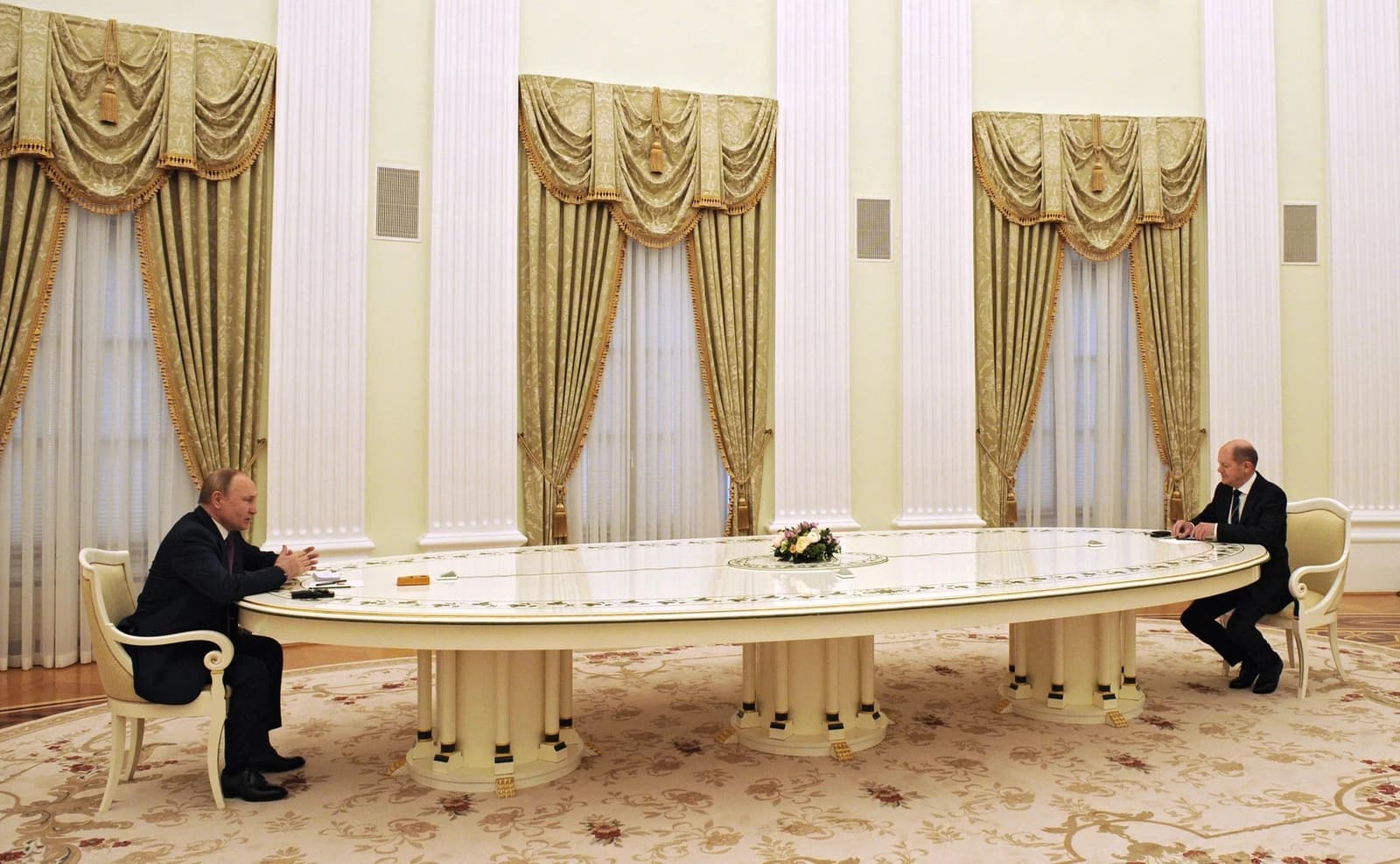
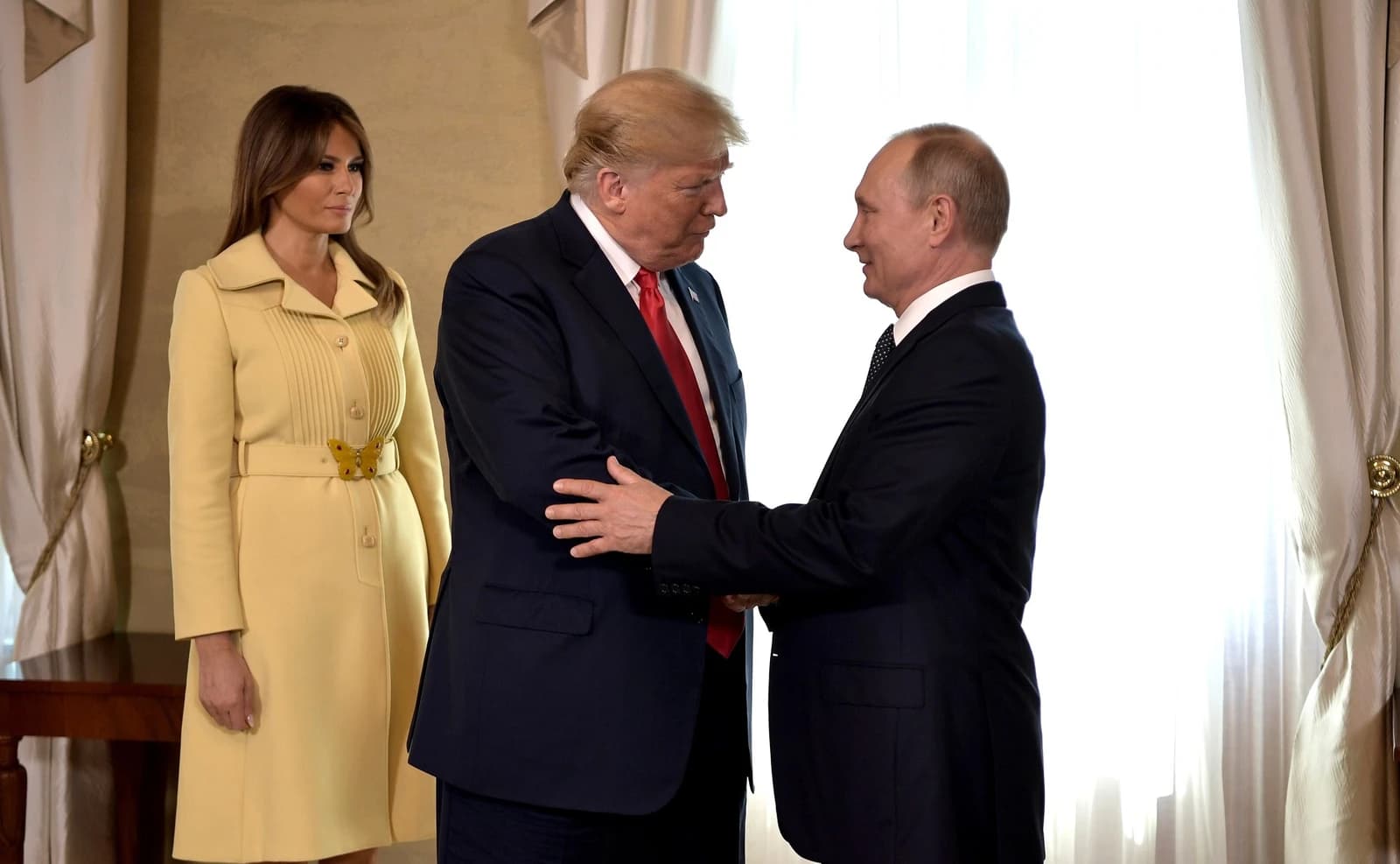
Europe is growing increasingly anxious that a warmer Trump relationship with Moscow could force Ukraine into a weaker negotiating position and accelerate a US policy shift away from Kyiv.
Europe Fears Trump May Pressure Ukraine

That fear matters economically because any dilution of US military, intelligence and diplomatic backing would reshape the security outlook in Europe just as the war continues to strain energy markets, defense budgets and confidence in the region’s risk premium. The concern is not only about rhetoric: European officials are reading Trump’s recent comments as a sign that Washington may be moving toward pressure on Kyiv to accept a settlement on Russian terms, rather than backing Ukraine indefinitely.
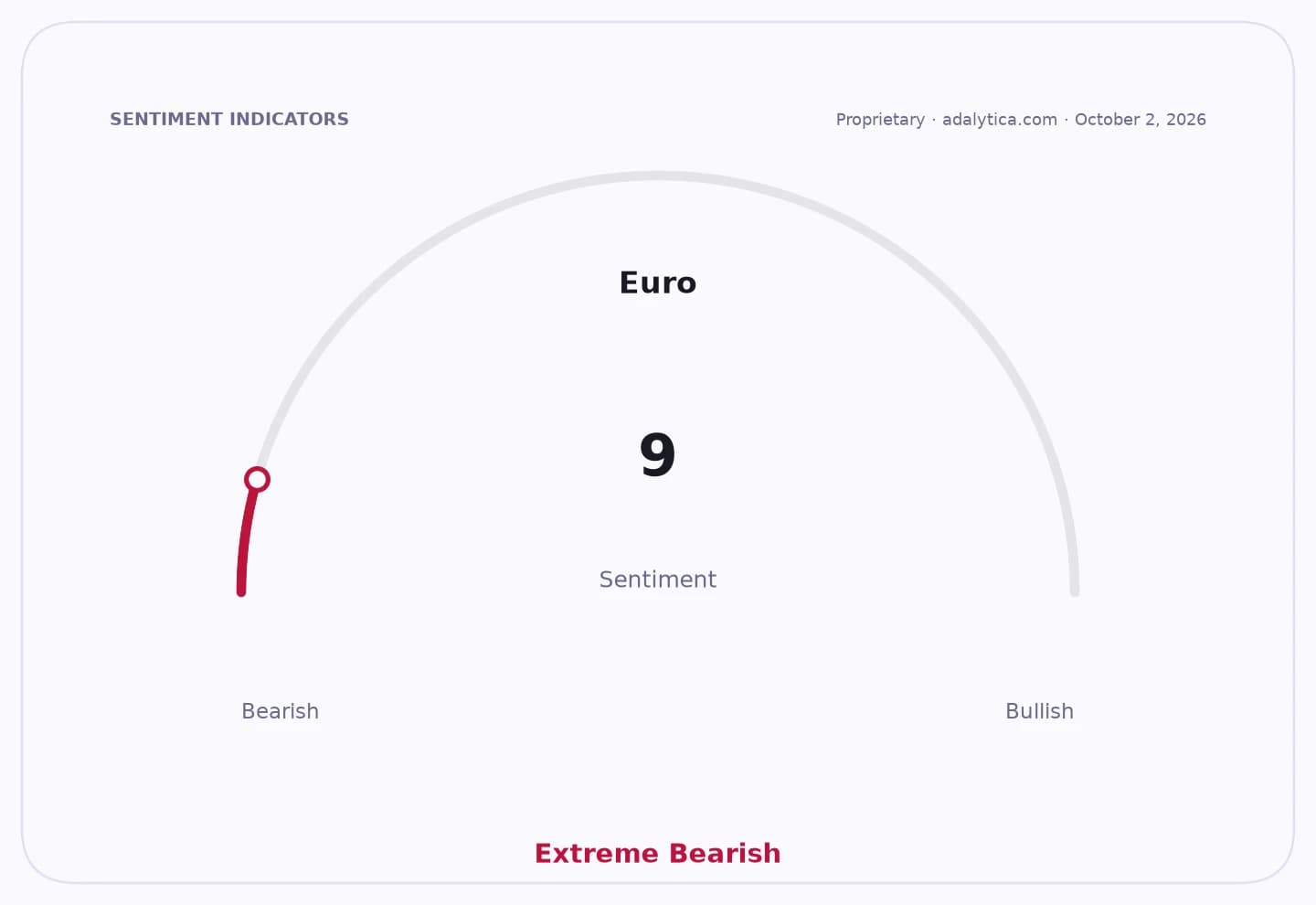
Sentiment IndicatorsⓘProprietary · adalytica.com · October 26, 2026
This is a snapshot — live sentiment, awareness and momentum for 130+ markets update continuously in the dashboard.Open AlphaPulse

Politico reported that EU officials worry Trump “simply prefers” Vladimir Putin to Volodymyr Zelensky and that, after 20 months of transatlantic turbulence, Washington may be too eager to force concessions from Kyiv. EU foreign policy chief Kaja Kallas has already warned that American negotiators want Ukraine to capitulate, underscoring how far apart Brussels and Washington now appear on the endgame. Former British minister David Lidington said Trump’s motives are shaped by personal preference and a desire to create a more business-friendly environment, while an unnamed EU diplomat said support for Russia has been unusually consistent even as Trump’s positions shift elsewhere.
For investors, the immediate implication is a higher probability of volatility in European assets linked to the war, including defense, energy and Eastern Europe exposure. The data backdrop shows those nerves have not translated into a straightforward risk-off trade. The iShares MSCI Eurozone ETF, EWU, has held near the upper end of its recent range, closing at 47.52 on Oct. 23, above its 50-day moving average of 47.65 and well above its 200-day average of 46.55, even as momentum has cooled. Poland’s ETF, EPOL, has slipped to 43.50 from 45.08 two days earlier and is now below its 50-day average of 44.39, suggesting investors are more cautious on the frontline economies most exposed to a changed US stance.
Geopolitical Risk — 30-day sentimentadalytica.com
Explore this data interactively — full history, time series and cross-market comparisons.Open AlphaPulse
The move in Taiwan’s EWT is less directly linked to Ukraine, but it highlights a broader market pattern: geopolitical stress can leave some regions bid while others see abrupt profit-taking. More relevant is the Adalytica Global Stability Sentiment gauge, which sits at 68, labeled neutral, but with awareness at an extreme-fear reading of 11, indicating how fragile confidence remains despite the absence of a full-blown market panic. In the euro, Adalytica’s trade signals show extreme greed, which can leave the currency vulnerable if US-European political friction spills into capital flows or risk sentiment.
The narrative connecting the facts is a shifting transatlantic bargain. Europe is trying to preserve a united front on Ukraine while also managing the possibility that the next US administration could reduce support, push for concessions and change the terms of any peace process. That would not only affect the battlefield balance but also Europe’s fiscal path, defense spending and the valuation of assets tied to regional stability.
For now, the key issue for markets is whether Trump’s posture becomes a negotiating tactic or a durable policy shift. If it is the latter, Europe may have to absorb more of Ukraine’s financing and security burden, while investors reprice the probability of a longer, more expensive conflict settlement.
| Entity | Gains | Losses |
|---|---|---|
| Russia | ▲Greater leverage in talks | ▼Western pressure eases |
| Ukraine | ▲Potential ceasefire | ▼Negotiating power |
| Europe | ▲More urgency on defense autonomy | ▼US security umbrella |
| Investors in defense | ▲Higher spending visibility | ▼Near-term peace dividend trades |