Europe’s emergency warning on winter natural-gas supply is pushing energy security back to the center of oil and gas policy, strengthening the case for a legal and regulatory framework that can keep hydrocarbons flowing even as governments try to cut emissions.
Europe winter gas warning lifts oil and gas shares
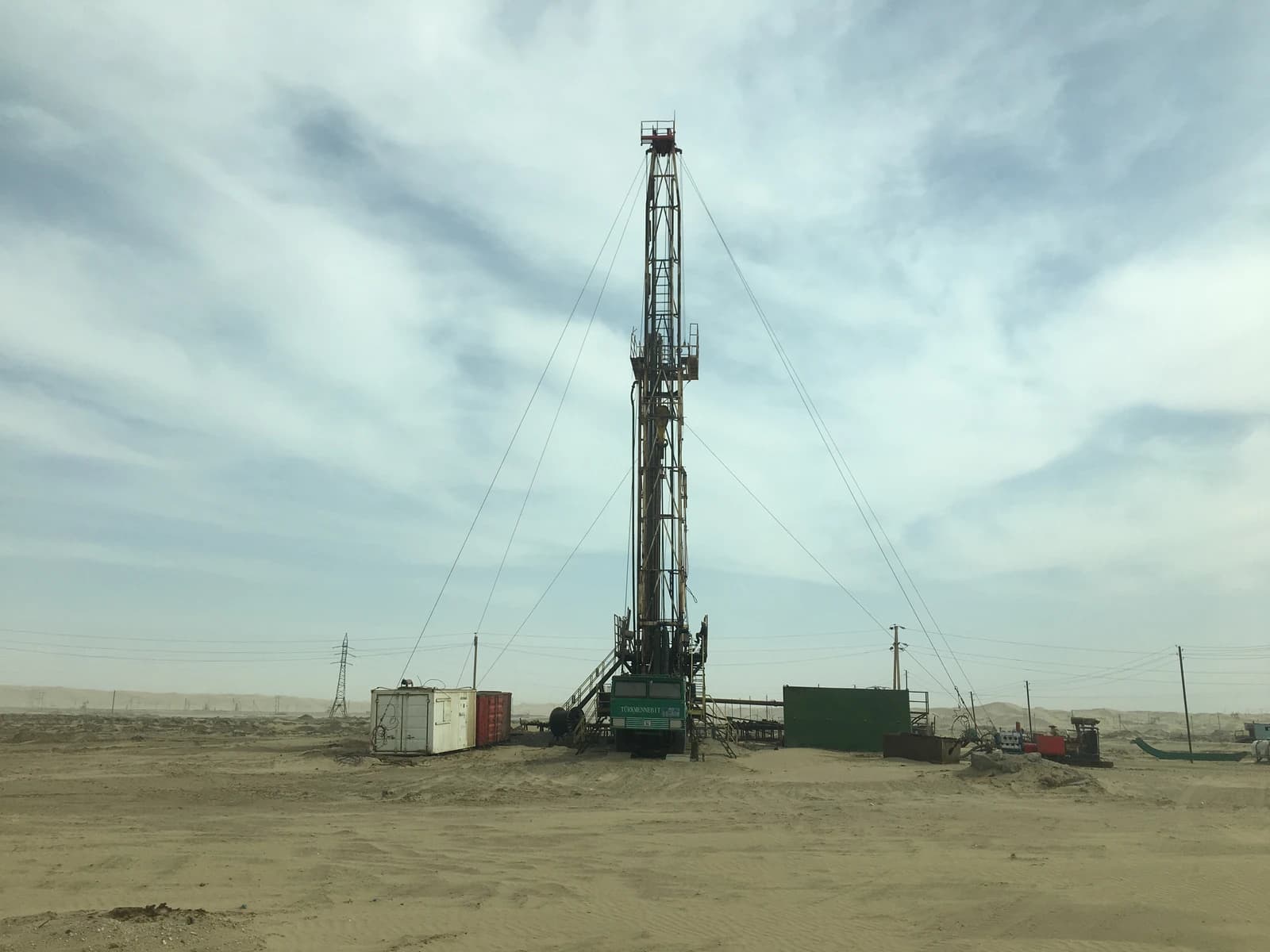
That matters because the region’s vulnerability is no longer theoretical. Officials are flagging possible gas shortages into colder months, including in Hungary, while volatile pricing looms as demand rises and supply remains exposed to geopolitics, infrastructure bottlenecks and policy restrictions. For investors, that keeps a premium on producers, pipeline operators and the liquefied natural gas value chain, and it also reinforces the market’s willingness to pay for assets tied to supply reliability rather than long-dated transition promises.
Sentiment IndicatorsⓘProprietary · adalytica.com · August 5, 2026
This is a snapshot — live sentiment, awareness and momentum for 130+ markets update continuously in the dashboard.Open AlphaPulse
The backdrop is a sector that has already re-rated sharply. The SPDR S&P Oil & Gas Exploration & Production ETF, XOP, closed at $171.95 on Aug. 4, up from $122.96 on Dec. 16 and above its 50-day moving average of $164.08, while the Energy Select Sector SPDR Fund, XLE, ended at $58.52, also holding above its 50-day average of $56.48 and far above the 200-day average of $52.20. XOP’s RSI reading of 59.2 and XLE’s 62.3 show momentum is still elevated without yet flashing a full reversal.
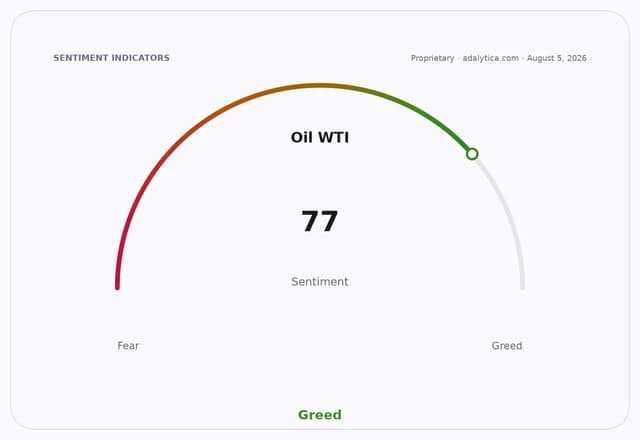
Natural gas is the pressure point. The United States Natural Gas Fund, UNG, fell to $9.77 on Aug. 4 from $12.12 on June 4, even as its RSI dropped to 32.4, a level that points to weak near-term price action. Yet Adalytica’s U.S. oil trade signal for USO shows sentiment at 77, labelled greed, with a 76-point rise over seven days, suggesting crude remains the stronger market expression of the same supply-security theme.
The legal angle matters because the next phase of oil and gas investment will be shaped as much by permits, methane rules, export limits, reclamation liability and climate litigation as by geology. Exxon Mobil’s latest 10-Q points to global supply-demand imbalances, seasonal demand swings and regulatory developments as drivers of earnings volatility, while ConocoPhillips has also highlighted environmental regulations, litigation and emissions rules as material risks. In practice, that means the winners are likely to be companies and jurisdictions that can convert legal clarity into faster development and steadier exports.
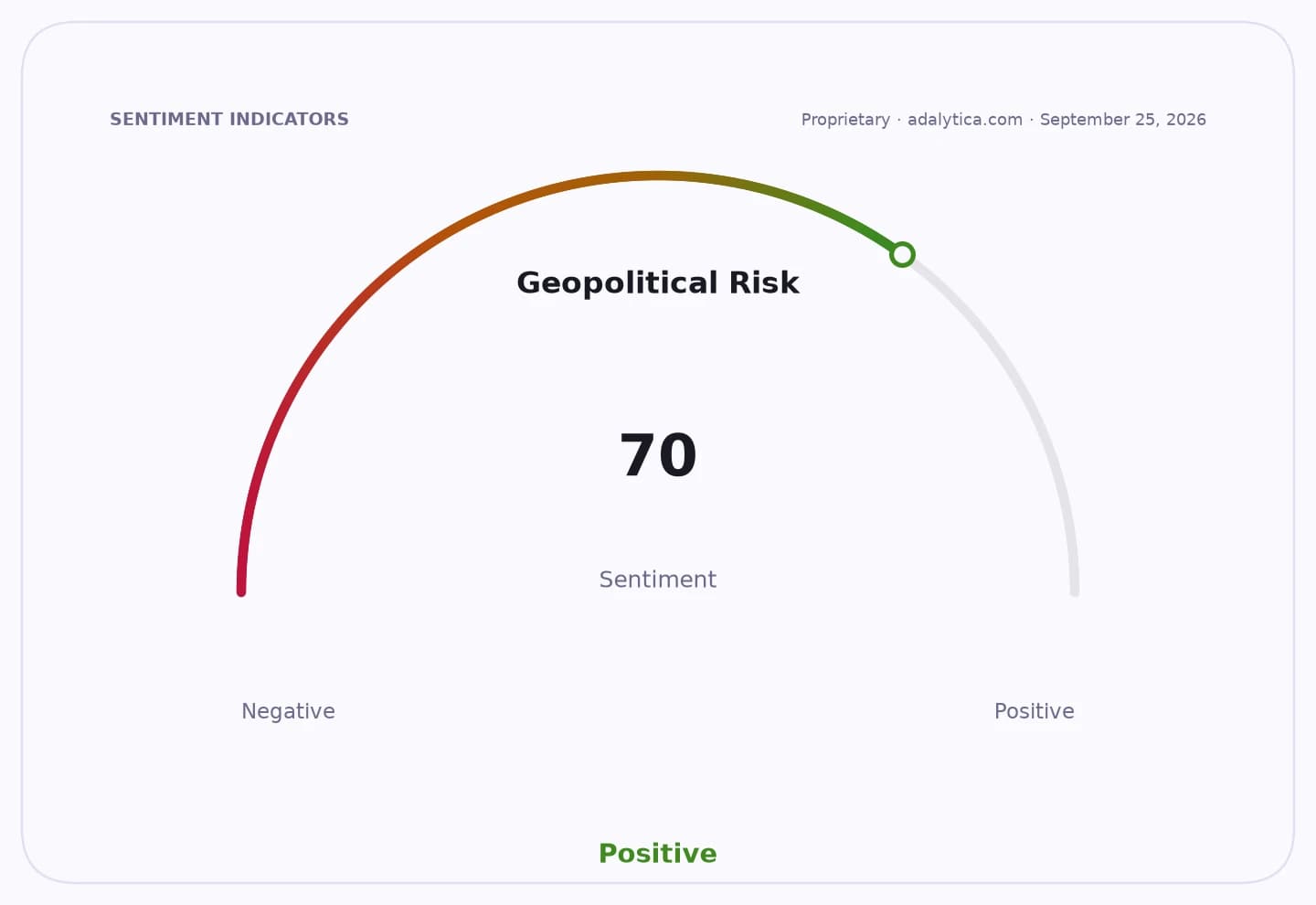
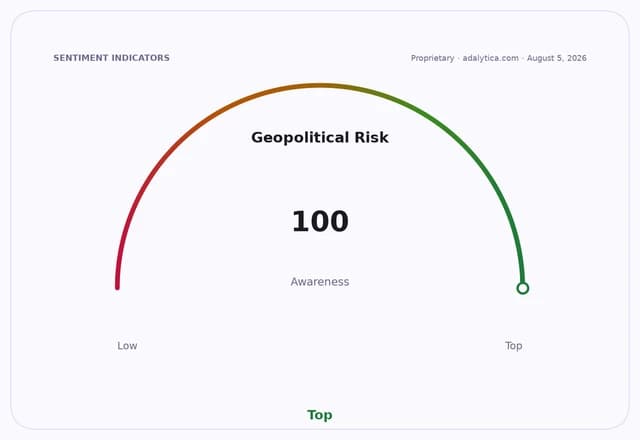
Europe’s scramble also underscores how geopolitics keeps rewriting the economics of gas law. Turkey’s claim that output from the Sakarya gas field can meet the needs of 8 million households shows why domestic supply and infrastructure are becoming strategic assets, not just commercial ones. Adalytica’s global stability gauge sits at 82, with awareness at 100, reflecting a market that is treating energy security as a broader macro risk rather than a narrow commodity call.
For investors, the message is that oil and gas law is not a relic of the past 100 years but a live pricing mechanism for the next 100. Winter supply scares, tighter environmental compliance and export politics are likely to keep capital flowing toward firms with reserves, pipelines, LNG capacity and legal durability, while pressuring markets and companies that depend on fragile cross-border supply.
| Entity | Gains | Losses |
|---|---|---|
| LNG exporters | ▲Higher pricing power | ▼Demand uncertainty if policy tightens |
| Pipeline operators | ▲Greater strategic value | ▼More regulatory scrutiny |
| Oil producers | ▲Stronger energy-security demand | ▼Litigation and emissions costs |
| European consumers/importers | ▲Supply diversification options | ▼Volatile winter gas bills |