European natural gas prices are climbing again as the war involving Iran widens fears of supply disruption across global energy markets, reinforcing a rally in crude and keeping fuel costs elevated from Asia to the U.S.
Middle East Risk Lifts European Gas Prices
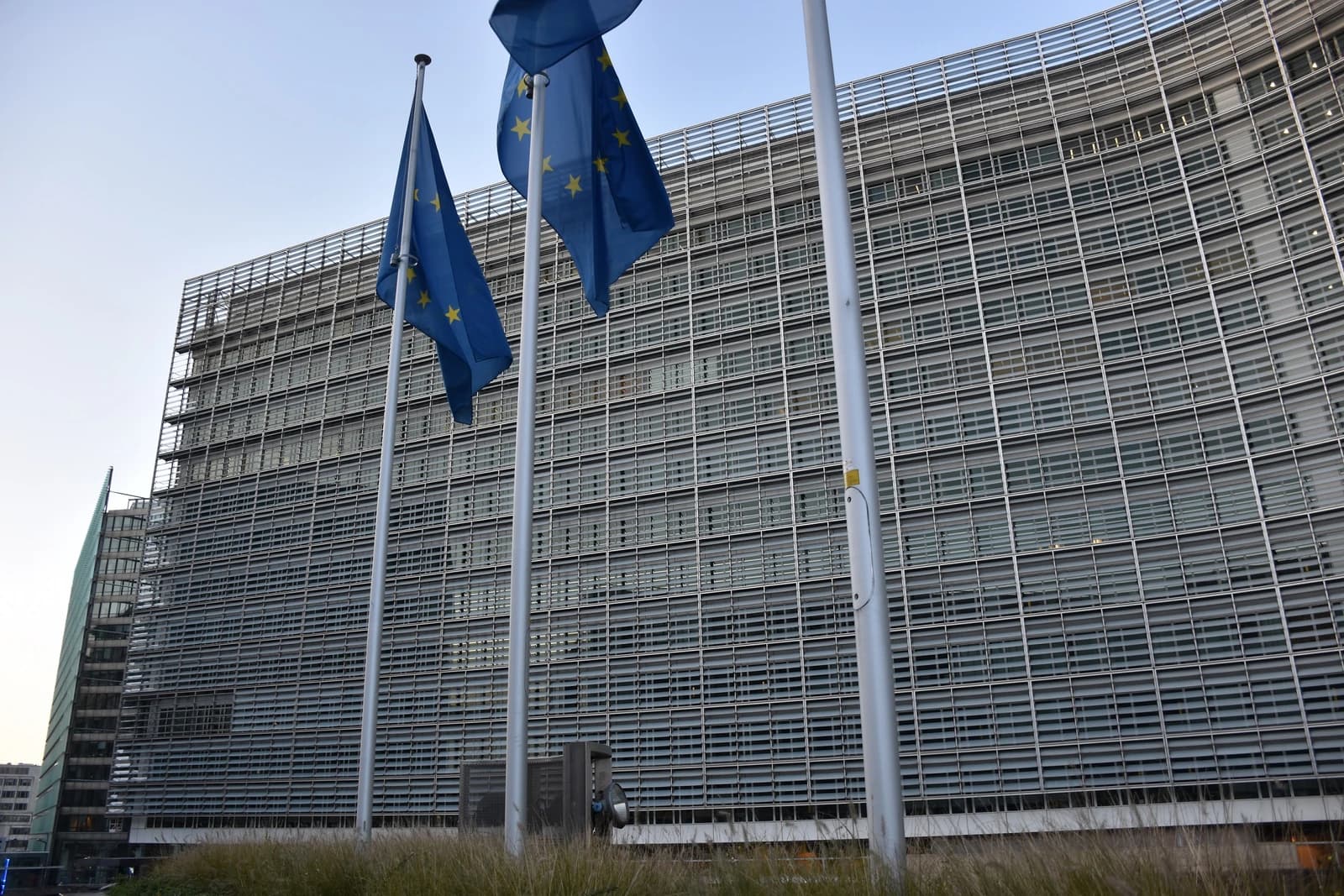
The move matters because Europe remains heavily exposed to imported gas, and any threat to shipping lanes, LNG flows or regional infrastructure can quickly translate into higher power and heating costs. That raises the risk of a broader inflation flare-up just as policymakers have been trying to contain price pressures and support a fragile recovery.
Sentiment IndicatorsⓘProprietary · adalytica.com · July 17, 2026
This is a snapshot — live sentiment, awareness and momentum for 130+ markets update continuously in the dashboard.Open AlphaPulse

Dutch TTF futures, the European benchmark, closed at 56.31 euros a megawatt hour on July 17, up from 48.65 euros a week earlier and 38.77 euros three months ago. The contract has been volatile for months, with the 50-day moving average below recent prices and the RSI, a standard technical indicator, near 89, suggesting the rally has pushed the market into overbought territory even as geopolitical stress stays elevated.
U.S. gas has not escaped the move. Henry Hub futures settled at $2.90 per million British thermal units on July 17, down from a recent spike to $7.46 on Jan. 28, but still showing a market that can swing sharply when geopolitical headlines hit commodities. Brent-linked oil strength is also feeding through to broader energy inflation, adding to pressure on transport, chemicals and utilities.
Geopolitical Risk vs NG=Fadalytica.com
Explore this data interactively — full history, time series and cross-market comparisons.Open AlphaPulse

For investors, the immediate read-through is mixed. Energy producers, LNG exporters and tanker operators stand to benefit from firmer prices and stronger volatility, while European industrial users, utilities and consumers face higher input costs and margin pressure. U.S. majors such as Chevron and ConocoPhillips have already flagged commodity prices and geopolitical tensions as key drivers of profitability in their filings.
Adalytica’s Global Stability Sentiment gauge has plunged to “Extreme Fear,” underscoring how quickly markets are pricing in escalation risk. Unless the fighting eases or supply routes stay fully intact, traders are likely to keep paying up for a geopolitical premium in gas and oil, with the next catalyst coming from any disruption to Middle East flows or further retaliation.
| Entity | Gains | Losses |
|---|---|---|
| LNG exporters | ▲Higher spot prices | ▼Demand destruction risk |
| European utilities | ▲Fuel-cost pass-through potential | ▼Margin pressure |
| Industrial users | ▲Little immediate benefit | ▼Higher input costs |
| Energy producers | ▲Stronger commodity pricing | ▼Greater volatility risk |




