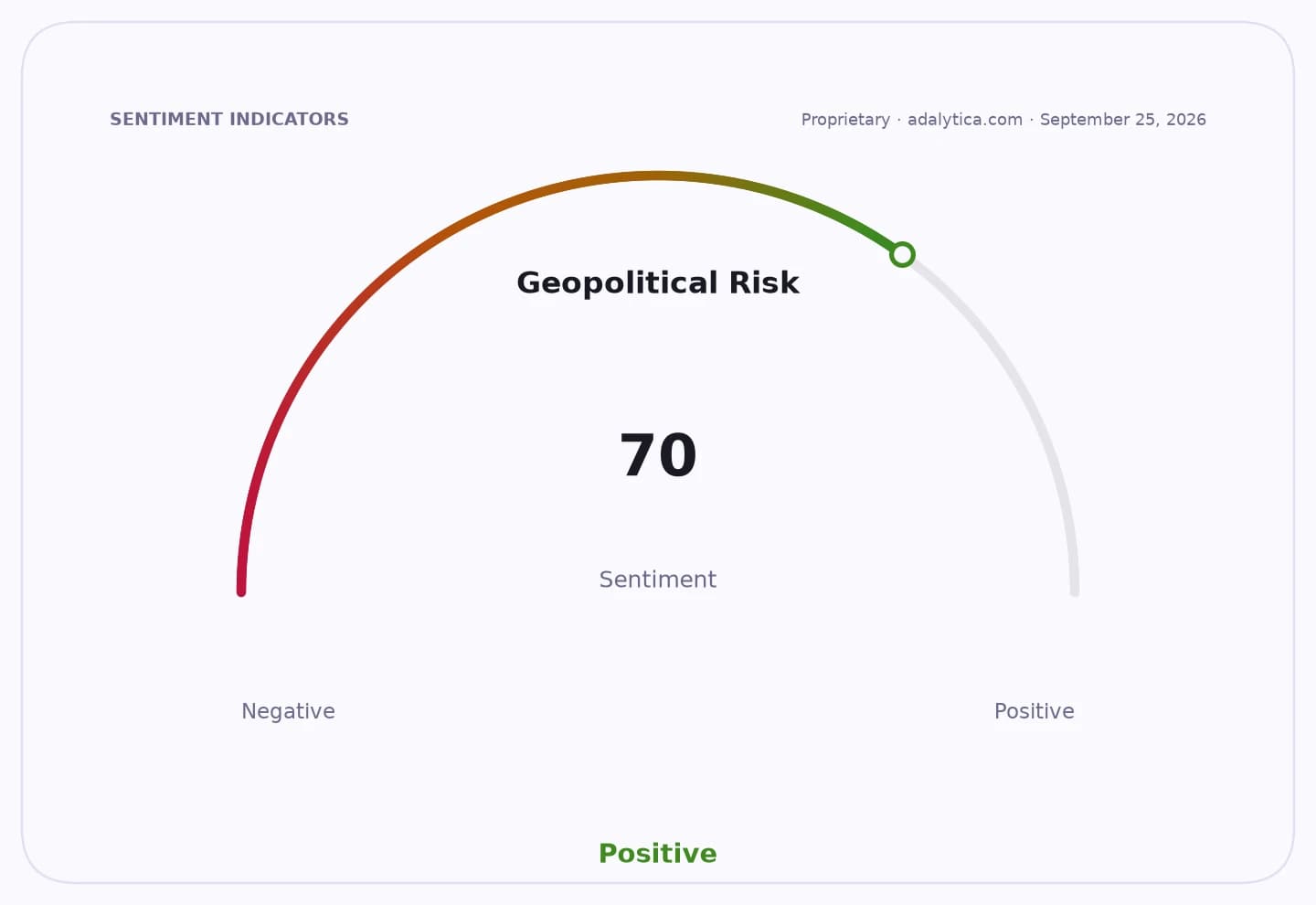
Electric vehicles and charging infrastructure are changing the economics of the automotive connector market, with the latest move from Russia to mandate GB/T connectors on subsidized fast chargers underscoring how regional standards are becoming a competitive weapon in a fragmented global market.
EV Connector Demand Rises as Standards Fragment
That matters because connectors sit at the junction of several powerful trends: electrification, vehicle software content, high-voltage power delivery and the build-out of public charging networks. As automakers, utilities and governments push more EV adoption, demand is rising not just for traditional wire-to-wire parts but for higher-specification components that can handle faster charging, greater power density and harsher operating conditions. The market’s growth is no longer only about vehicle volumes; it is increasingly about the amount of content per vehicle and per charging point.
Te Connectivity, one of the sector’s bellwethers, has already signaled that Transportation Solutions is benefiting from both organic growth and currency effects, with the segment’s net sales up 7.3% in the first half of fiscal 2026. The company said organic growth contributed 3.2%, suggesting demand is broadening even as pricing pressure remains a headwind. That mix is typical of a mature industrial market entering a higher-value phase: volume still matters, but technical requirements and standards compliance are becoming more important to revenue growth and margins.
The Russian GB/T mandate highlights the opportunity and the risk for connector makers. On the one hand, standardization can accelerate infrastructure deployment by reducing compatibility problems and lowering installation friction for buyers. On the other, it can lock out suppliers aligned with other charging ecosystems and force manufacturers to tailor products to regional protocols rather than global platforms. For investors, that means the addressable market is expanding, but not uniformly; winners will likely be firms with the scale, engineering depth and regulatory reach to serve multiple standards without sacrificing margin.
Linemaster, another industrial connector supplier, has also shown how cyclical demand can be offset by secular themes. Its share price has remained above both the 50-day and 200-day moving averages, reflecting resilience in a market that still values exposure to electrification and industrial automation. Ford’s stock, by contrast, has been more volatile, a reminder that automakers remain hostage to the cost of electrification, incentives and end-market demand even as their suppliers benefit from rising content requirements.
The broader backdrop is a global market where standardization is becoming strategically important. China-origin GB/T infrastructure is gaining influence in Russia and parts of neighboring markets, while Western charging ecosystems continue to evolve around their own protocols. That creates a patchwork rather than a single global standard, which is structurally positive for connector demand because it multiplies engineering needs, but it also raises the complexity and capital intensity of supply.
For investors, the key question is whether the market’s growth from 2019 to 2029 is being driven by sustainable EV adoption or by policy-led spending that can be delayed or fragmented. The bullish case is that every new charger, battery pack and higher-voltage vehicle platform increases connector content and replacement demand. The bearish case is that standard fragmentation and price erosion limit profitability, especially for suppliers without scale or preferred OEM relationships.
The next phase of the market will likely hinge on how quickly EV infrastructure expands outside China, whether regional standards converge or diverge further, and whether suppliers can turn higher technical complexity into durable pricing power.
| Entity | Gains | Losses |
|---|---|---|
| TE Connectivity | ▲Higher EV content per vehicle | ▼Pricing pressure |
| GB/T standard suppliers | ▲Faster regional adoption | ▼Global interoperability |
| EV charging operators | ▲Lower compatibility friction | ▼Vendor lock-in risk |
| Legacy auto OEMs | ▲More connector demand | ▼Higher redesign costs |