European markets are still pricing a heavier geopolitical risk premium as Moscow warns that Europe is preparing for war with Russia, a message that keeps defense spending, energy security and regional capital flows in focus for investors.
EWG rises to $42.85 on Europe war risk
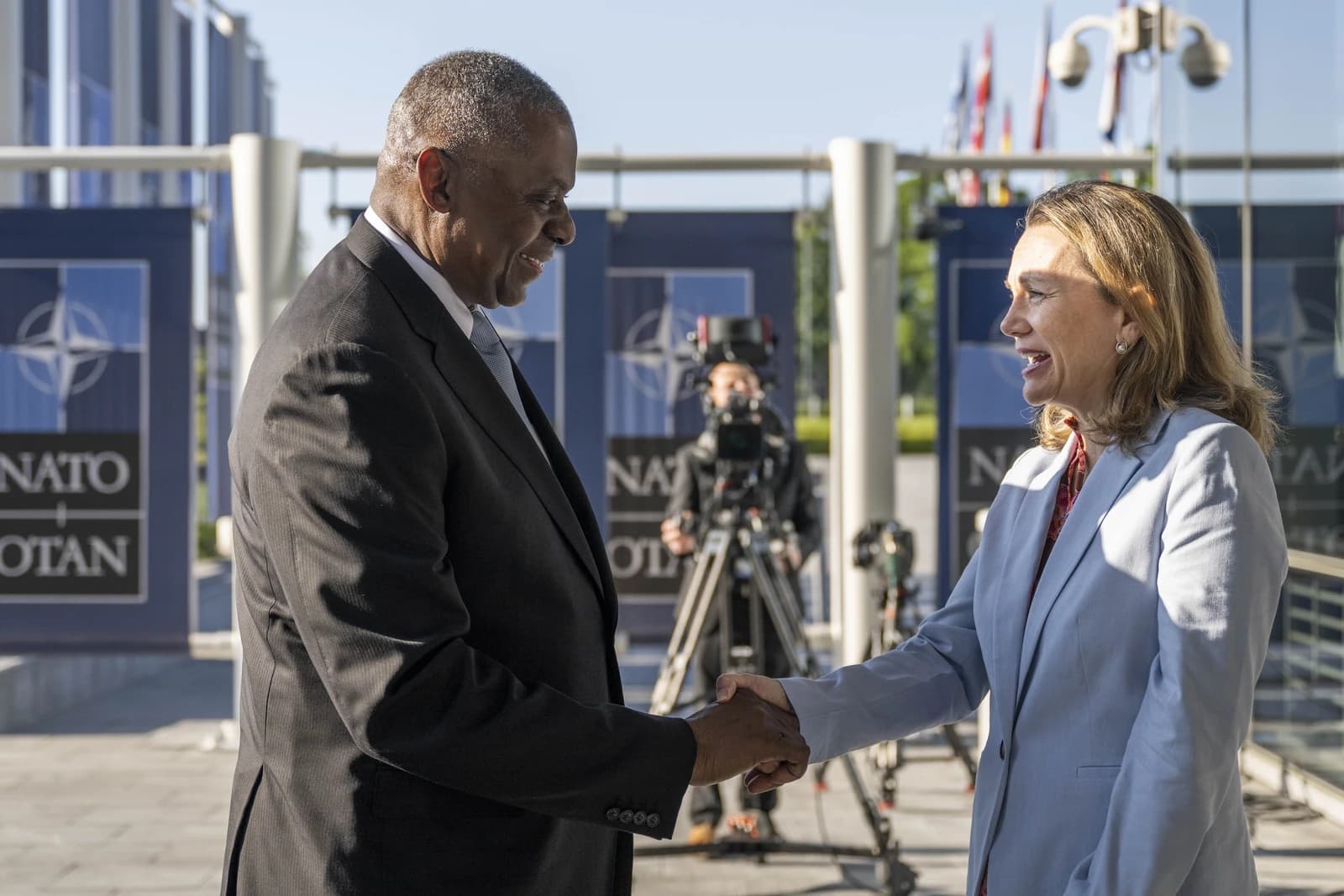
That matters because the market is no longer treating Europe’s security challenge as a short-lived headline risk. It is becoming a multi-year capital allocation theme: governments are set to keep lifting military budgets, suppliers to NATO-linked programs are likely to see more orders, and investors are rotating toward the companies and funds that benefit from rearmament and infrastructure hardening.
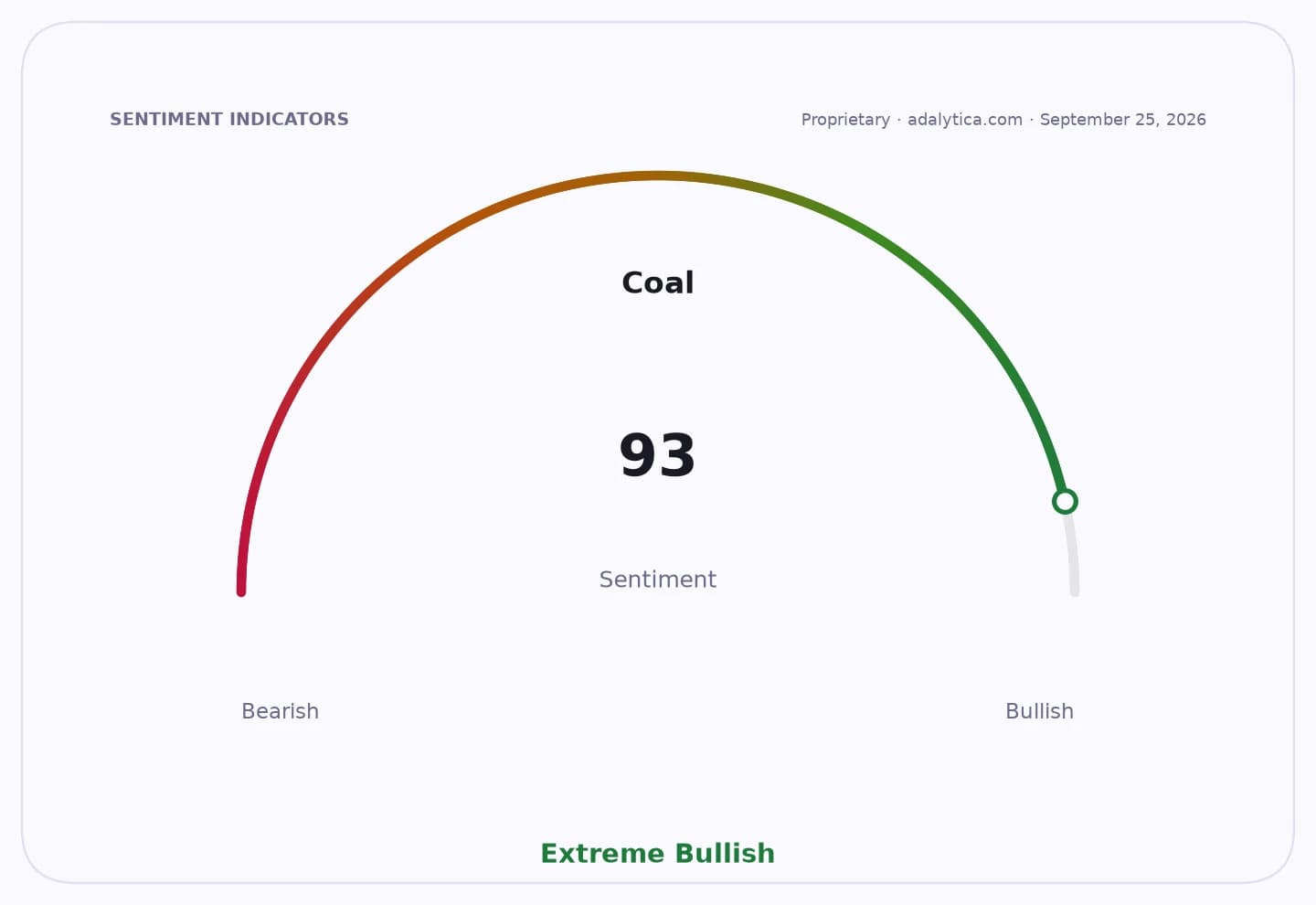
Sentiment IndicatorsⓘProprietary · adalytica.com · July 31, 2026
This is a snapshot — live sentiment, awareness and momentum for 130+ markets update continuously in the dashboard.Open AlphaPulse
The clearest market signal is in the equity tape. The iShares MSCI Germany ETF, EWG, has climbed to $42.85 from $37.45 in late March, with its 50-day moving average now at $41.66 and the 200-day at $41.20. The move has pushed the fund into technically stronger territory, with the RSI at 68.3 and the MACD turning positive, suggesting investors are no longer merely hedging Europe risk — they are re-rating German equities around a more persistent security backdrop.
Broader Europe exposure is following the same pattern. The iShares MSCI Europe ETF, VGK, finished at $90.59 on July 31, near its 52-week high and above both its 50-day and 200-day moving averages. That is a notable shift from the sharp selloff in March, when geopolitical fear briefly hit the region’s risk assets. The rebound says markets are increasingly looking past the immediate rhetoric and toward the fiscal consequences: higher defense outlays, more industrial procurement and a stronger case for European reindustrialization.
The story is even clearer in the basket that excludes U.S. companies. DBEU has steadily recovered to $54.26 from a March low of $46.75, with the ETF now above both major moving averages and sitting close to its upper Bollinger Band. For investors, that points to a market that still sees Europe as vulnerable, but also as investable when the trade is framed around policy response rather than conflict paralysis.
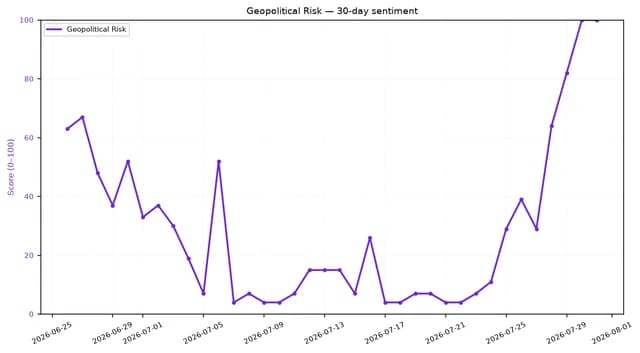
Adalytica’s Global Stability Sentiment snapshot underscores how forceful the geopolitical backdrop has become, showing “Extreme Greed” in the risk gauge and “Extreme Fear” in awareness, a combination that usually reflects a market obsessed with the probability of escalation even as positioning remains thin. In plain English: investors are alert, but they have not fully priced the second-order winners.
That is where the opportunity lies. If Europe continues to harden its defenses, the beneficiaries are not just the obvious contractors. The real asymmetric trade runs through aerospace, cybersecurity, electronic warfare, industrial automation, grid equipment and energy infrastructure. German and pan-European equities tied to these themes could continue to outperform if governments keep translating rhetoric into procurement.
The risk, of course, is that diplomacy calms the temperature and the security premium fades. But until there is a credible de-escalation path, the market is likely to keep rewarding the same trade it has been inching into already: Europe as a defense-and-resilience story, not just a cyclical recovery play. For investors, that argues for staying overweight the companies and ETFs that profit from a longer rearmament cycle rather than betting on a quick return to the old status quo.
| Entity | Gains | Losses |
|---|---|---|
| Defense contractors | ▲Higher procurement | ▼Peacetime valuation |
| European governments | ▲Security capacity | ▼Fiscal flexibility |
| EWG/VGK/DBEU holders | ▲Re-rating on defense theme | ▼If tensions fade |
| Energy importers | ▲None | ▼Higher risk premium |