Exxon Mobil’s billion-dollar wager in Nigeria matters because it is not just another overseas project — it is a sign the company still sees durable value in big, conventional oil assets at a time when investors are asking where the next decade of free cash flow will come from.
Exxon Bets on Nigerian Oil Asset Growth

For long-term shareholders, that is the core question. Exxon is leaning into a country that is trying to rebuild trust with investors through reforms, cleaner bidding rounds and better upstream regulation. If Nigeria can finally pair its natural resource base with more credible governance, the prize is simple: more barrels, better returns and another long-lived cash-producing asset for a company built to extract value from exactly this kind of scale.
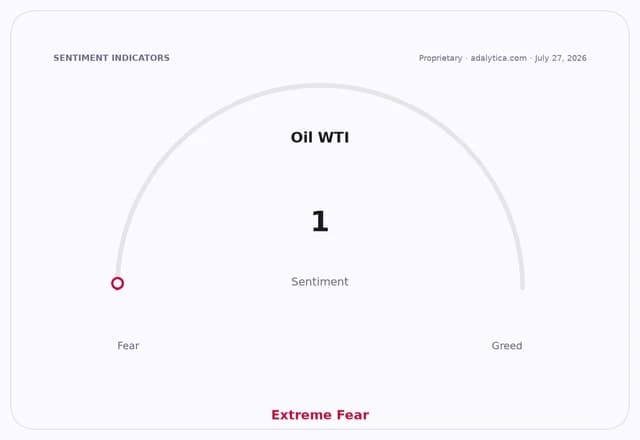
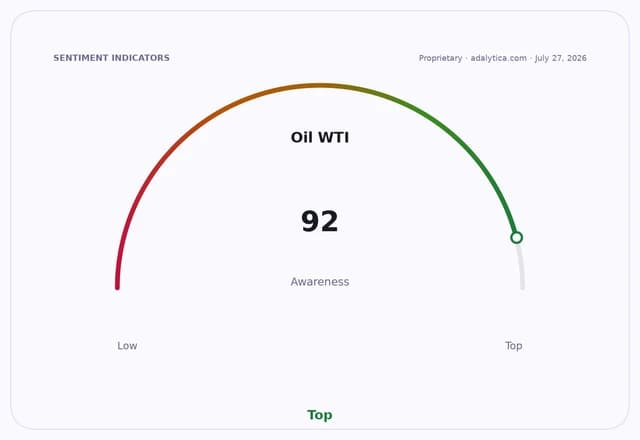
The investment also fits the broader energy backdrop. Oil markets remain choppy, with Adalytica’s WTI trade signals showing extreme fear even as awareness around the commodity remains elevated. That kind of backdrop often creates opportunity for patient investors, because the oil business tends to reward companies that can keep drilling, finding and producing through the cycle rather than chasing the headlines. Exxon’s stock has reflected that resilience, climbing sharply in recent months and trading well above both its 50-day and 200-day moving averages, a sign the market is still willing to pay for its scale and balance-sheet strength.
Nigeria’s pitch is straightforward: reforms are supposed to draw capital back into a sector that has long been held back by regulatory uncertainty, weak transparency and underinvestment. That matters economically well beyond Exxon. New capital can support jobs, exports and government revenue in a country that needs growth to be broader and more reliable. For Exxon, it is a chance to secure access to one of Africa’s most important oil provinces before competitors do.
Investors should also note the contrast with service providers and peers. Schlumberger, for example, often benefits when upstream operators open their wallets for new projects, while rivals like Chevron are also competing for the best barrels and capital allocation opportunities. In other words, Exxon’s move is not just about one asset in Nigeria; it is part of a wider contest for high-quality reserves in a world where easy oil is getting harder to find.
There are real risks, of course. Nigeria still has to prove that reform is durable, that contracts are honored and that project economics survive local politics, security concerns and oil-price swings. But for investors with a multiyear horizon, that is exactly where the opportunity lies. Exxon does not need Nigeria to be perfect; it needs the country to become investable enough to turn resource wealth into predictable cash flow. If that happens, this could be one of those patient-capital bets that looks obvious in hindsight.
| Entity | Gains | Losses |
|---|---|---|
| Exxon Mobil | ▲New reserve growth | ▼Capital tied to execution risk |
| Nigeria | ▲Investment, jobs, revenue | ▼Pressure to deliver reforms |
| Oilfield services firms | ▲More project spending | ▼Fewer if projects stall |
| Chevron and peers | ▲Industry tailwind if reform holds | ▼Competitive pressure for assets |