High-yield savings accounts look safe, but they can become a bad trade when rates are falling, inflation is eroding real returns, or the money is needed for market exposure that could outpace deposit income.
Falling rates weaken high-yield savings appeal

That is the central economic issue behind the three situations in which savers are better off looking elsewhere: when interest-rate cuts are underway, when inflation or taxes leave the after-return negative, and when cash meant for long-term goals sits idle instead of being put to work. In each case, the account’s headline yield can obscure the real opportunity cost.
Sentiment IndicatorsⓘProprietary · adalytica.com · July 21, 2026
This is a snapshot — live sentiment, awareness and momentum for 130+ markets update continuously in the dashboard.Open AlphaPulse
The macro backdrop now makes that trade-off more visible. The federal funds rate has eased to about 3.63%, down sharply from the peak of the tightening cycle, while the 2-year Treasury yield is around 4.13% and the 10-year near 4.55%. That combination tells investors the easy income from cash is no longer the same windfall it was when policy rates were higher, and further declines would squeeze deposit yields even more. For households, that means a high-yield savings account can quickly turn from a parking lot for surplus cash into a drag on returns.
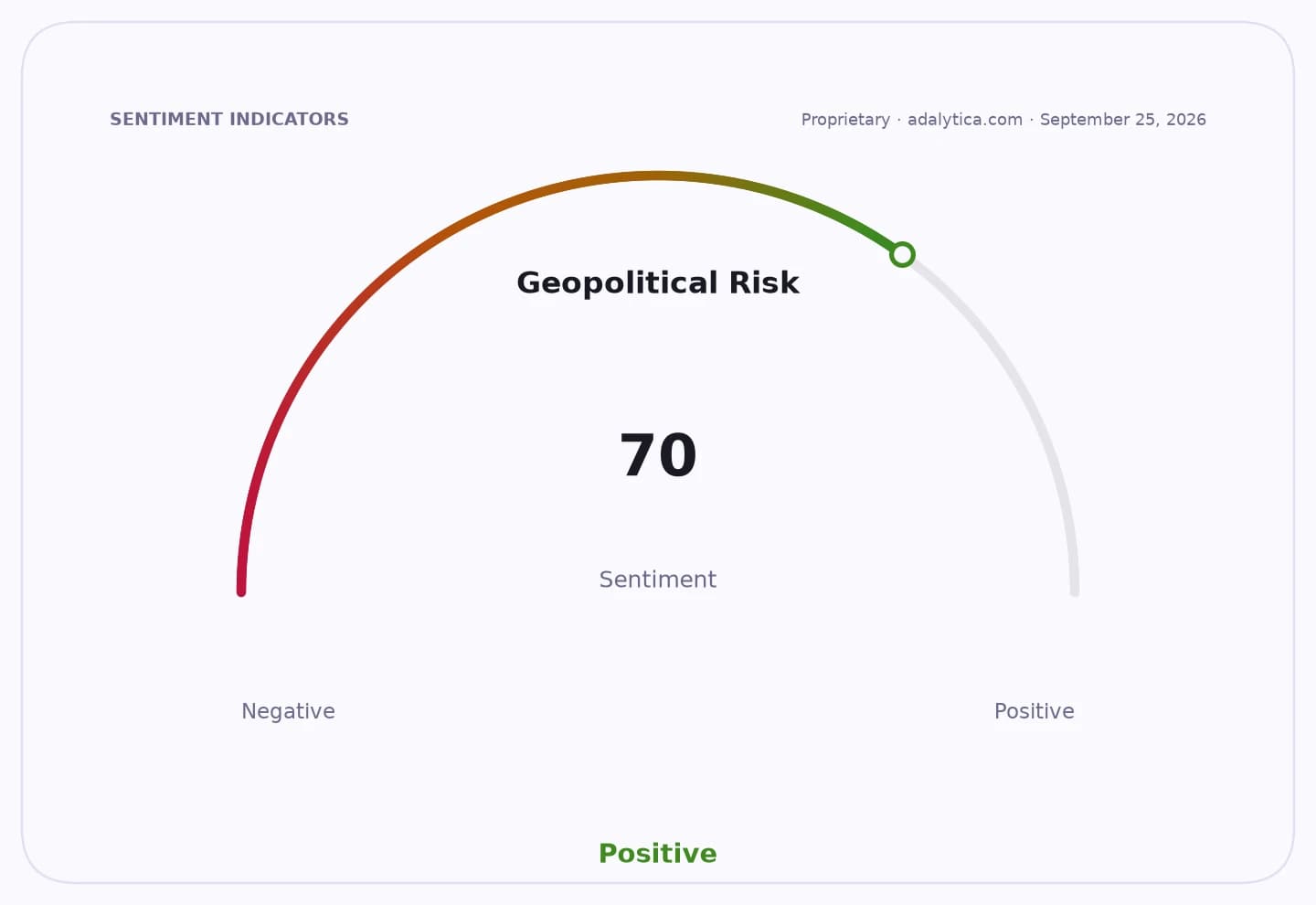
The problem is not just lower nominal rates. It is also the gap between what cash pays and what risk assets can compound over time. Adalytica’s household savings-rate signal is at an extreme-greed reading of 93, suggesting consumers are still highly inclined to keep money in savings even as the incentive to do so diminishes. At the same time, the S&P 500 sentiment gauge has fallen into fear territory at 20, which can make cash feel comforting. But fear is not the same as prudence: if the money is earmarked for a horizon measured in years rather than months, the cost of staying in savings can be meaningful.
That matters for banks and for deposit franchises too. Ally Financial, a major online savings provider, has seen its shares recover to about $45.52 from a spring low, but the stock still reflects a business that depends on deposit pricing discipline as rates shift. Capital One, American Express and other consumer finance names are likewise operating in an environment where the deposit and funding mix matters more than ever. When market rates fall, banks can lower what they pay savers; when rates rise, they must defend deposits. Either way, the consumer’s “high yield” is rarely fixed for long.
The second situation where a high-yield savings account is a bad idea is when inflation, fees or taxes absorb too much of the yield. Even a 3% to 4% deposit rate can look attractive until adjusted for real purchasing power. In countries where regulated savings rates are being revised — such as France’s Livret A, which is set to rise to 1.7% but still offers modest income — the issue is even clearer: a nominal increase does not automatically translate into a better real outcome. Savers chasing safety may still fall behind if prices rise faster than their interest income.
The third situation is when the cash has a long time horizon and is being used as a substitute for investing. That is the opportunity-cost case. Money intended for retirement, education or other multi-year goals may not belong in a deposit account unless the timeline is short or the risk tolerance is very low. With Treasury yields above many savings products and equity valuations still sensitive to rate cuts and growth expectations, leaving too much money in cash can mean missing out on higher expected returns elsewhere. The recent rebound in bank shares also shows markets are already pricing a different rate environment, not a permanent cash yield advantage.
There is, however, a bull case for high-yield savings accounts. They remain essential for emergency funds, near-term expenses and capital preservation. For households facing unstable income or debt stress, liquidity is worth paying for, and Adalytica’s household debt stress indicator at 79 underscores why many savers prefer ready access to cash. But that is precisely why the product should be reserved for money that truly needs to stay liquid.
Investors should read the message broadly: the appeal of cash depends on the rate cycle, inflation and time horizon. As policy eases, banks can reprice deposits lower, reducing the income advantage of savings accounts. For households, that means the right place for cash is not always the highest-yielding account; it is the account that matches the purpose of the money.
The bigger takeaway is that a high-yield savings account is a tool, not a strategy. It works best as a temporary home for cash, not as the default destination for every dollar. As rates drift lower and real returns compress, savers who fail to distinguish between emergency liquidity and long-term capital risk leaving money on the table.
| Entity | Gains | Losses |
|---|---|---|
| Savers with emergency cash | ▲Liquidity and safety | ▼Lower real returns |
| Banks/deposit platforms | ▲Cheaper funding as rates fall | ▼Margin pressure if deposit rates stay high |
| Long-term investors | ▲Higher-return assets become more attractive | ▼Cash drag if money stays parked |
| Short-term spenders | ▲Predictable access to funds | ▼Opportunity cost if balances are oversized |