The Federation of Bosnia and Herzegovina has extended a decree allowing employers to pay workers tax-free assistance of up to 300 convertible marks through Jan. 31, 2027, a move that should help protect household spending while giving companies a low-cost way to ease pressure on pay packets.
FBiH Extends Tax-Free Worker Aid Through 2027
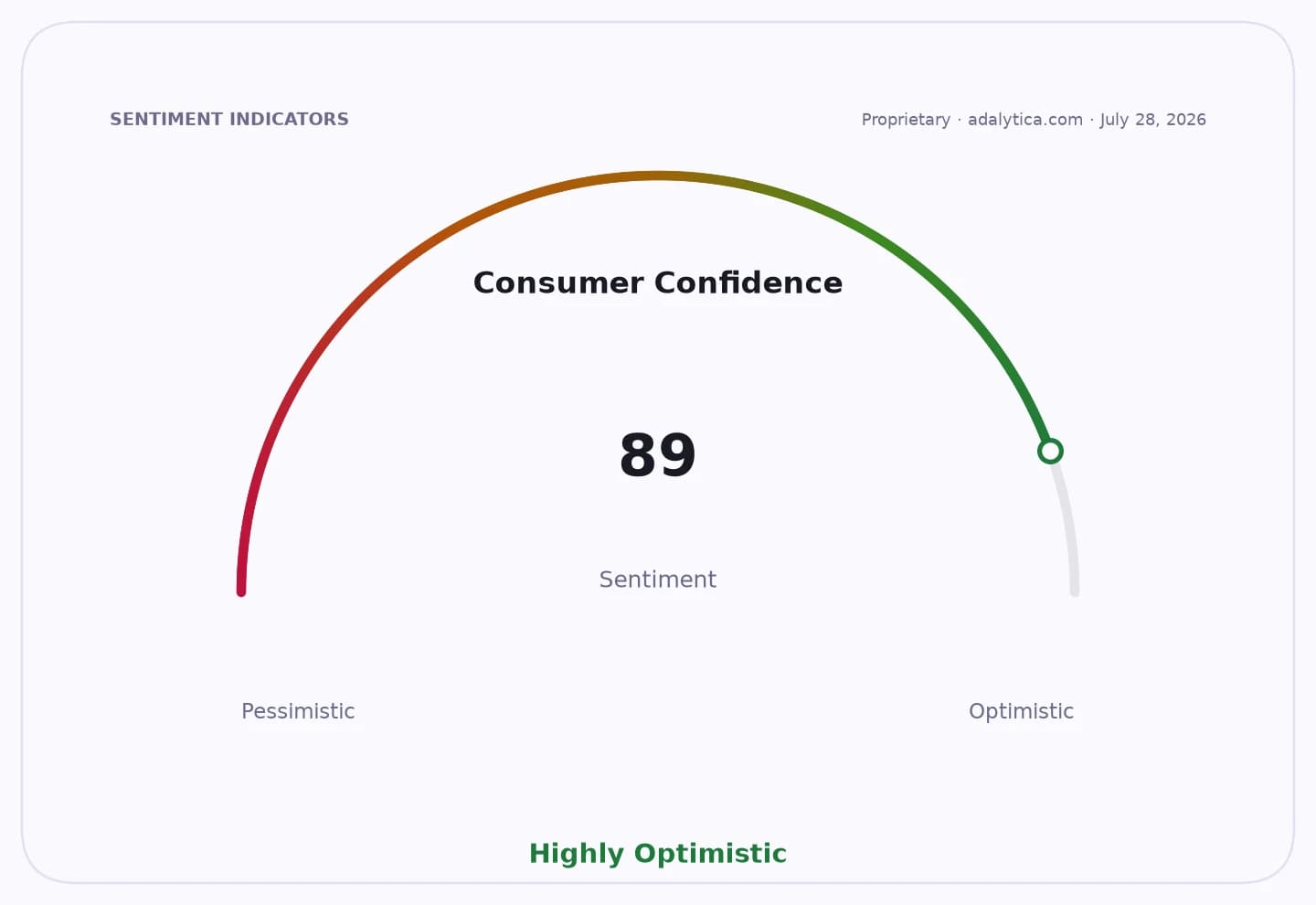
For investors and business owners, the significance is simple: in a weak-growth environment, governments often prefer measures that support consumption without locking employers into permanent wage increases. That makes the policy more than a labor footnote. It is a signal that FBiH is trying to preserve purchasing power, keep workers attached to formal jobs and reduce the risk that inflation or rising living costs will erode demand across the economy.
The extension matters economically because Bosnia’s private sector still relies heavily on relatively tight margins, imported inflation and cautious hiring. A temporary assistance allowance is cheaper for employers than a base-pay raise, and it can be adjusted more easily if demand softens. For workers, the benefit is immediate cash support that may help cover food, transport and utilities, which remain central to household budgets. In that sense, the decree is a small but practical form of stimulus aimed at keeping money circulating through shops, services and local supply chains.
For companies, especially labor-intensive businesses, the decree offers flexibility at a time when wage expectations remain sticky. Employers can use the aid to retain staff without permanently lifting fixed costs. That could be especially useful in sectors such as retail, manufacturing, hospitality and transport, where payroll pressure can quickly squeeze margins. The flip side is that this is not a substitute for productivity growth: if companies lean too heavily on temporary relief instead of investing in efficiency, the region will remain stuck with low value-added growth.
The broader market message is that FBiH is choosing continuity over disruption. Extending the rule through early 2027 gives businesses a clearer planning horizon and reduces the risk of a policy cliff that could have forced abrupt compensation changes. For long-term investors, that kind of predictability matters more than the headline amount. Stable labor rules can support spending, lower churn and make the operating environment more investable, even if the immediate economic lift is modest.
The main risk is that relief measures can mask structural weakness. If household income depends too much on ad hoc assistance, rather than stronger productivity and higher real wages, consumers may still struggle once support ends. But for now, the extension should be viewed as a pro-growth, pro-employment signal from FBiH: modest, pragmatic and supportive of domestic demand.
Investors should see the decree as a reminder that in smaller emerging markets, policy stability and consumer resilience can matter just as much as headline GDP trends. The companies best positioned are those with pricing power, efficient payrolls and exposure to local spending. For everyone else, the move is worth watching as a small but meaningful support for Bosnia’s consumption story.
| Entity | Gains | Losses |
|---|---|---|
| Workers | ▲Extra take-home support | ▼Less chance of permanent wage gains |
| Employers | ▲Lower payroll pressure | ▼Limited long-term labor relief |
| Domestic retailers/services | ▲Steadier consumer spending | ▼None meaningful |
| Government of FBiH | ▲Short-term economic stability | ▼Pressure to deliver broader reforms |




