Bitcoin is trading in a fragile pause ahead of the Federal Reserve’s next policy decision, with the market caught between hopes for easier liquidity and the risk that the central bank stays restrictive for longer. That makes the FOMC meeting more important for crypto than a routine macro event: Bitcoin has been moving less like an isolated digital asset and more like a high-beta expression of Fed expectations, real yields and dollar liquidity.
Fed Meeting Puts Bitcoin’s Macro Sensitivity in Focus
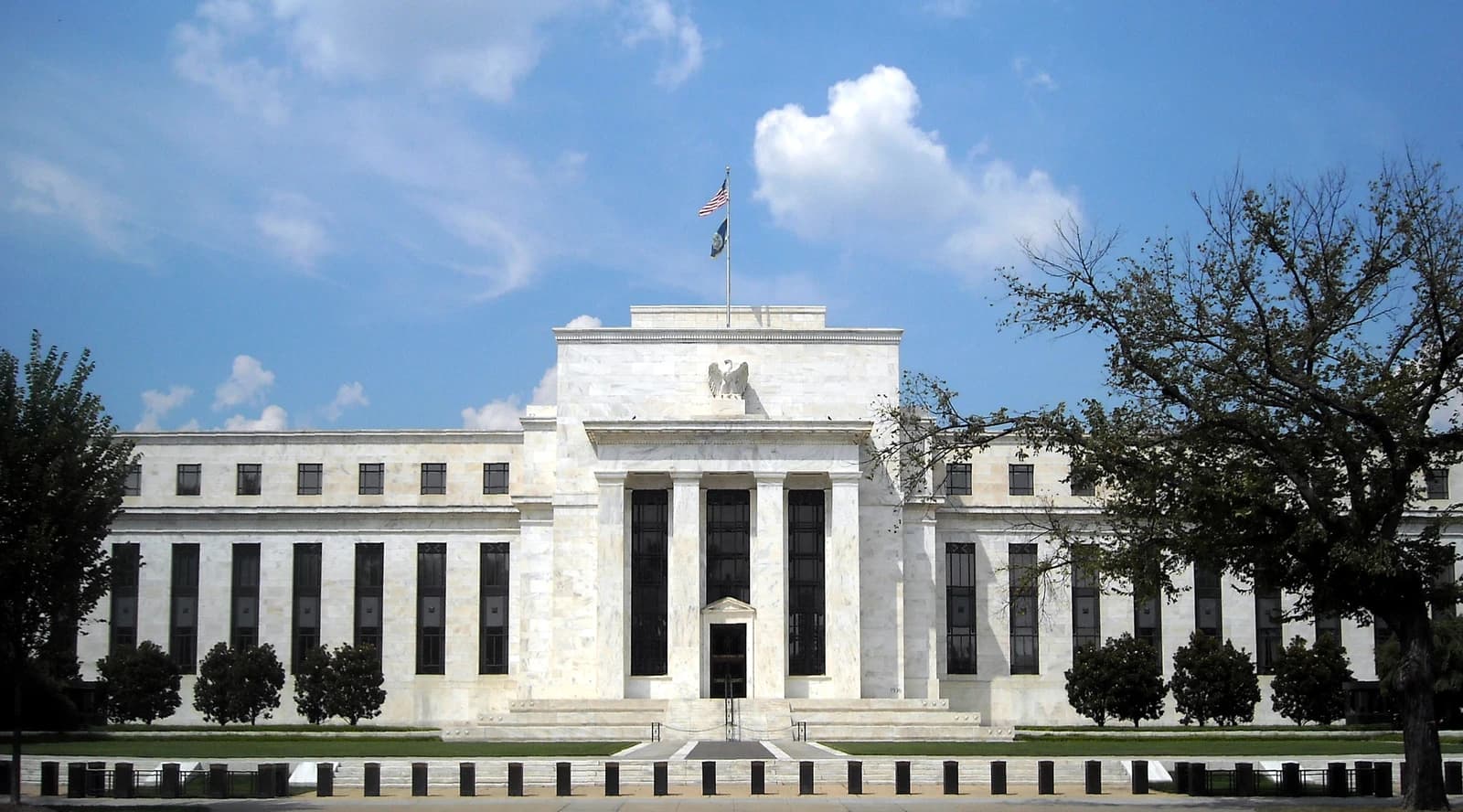
The economic significance is straightforward. Even after the Fed funds rate has been held around 3.63%, the policy backdrop remains tight enough to keep pressure on risk assets, and the 10-year Treasury yield near 4.56% still offers investors a meaningful alternative to holding non-yielding Bitcoin. Credit conditions also remain a constraint, with US high-yield spreads around 2.71% pointing to a market that is not pricing stress, but is still far from loose. In that environment, the Fed’s messaging on rates and balance-sheet policy can matter as much as the decision itself.
Sentiment IndicatorsⓘProprietary · adalytica.com · July 20, 2026
This is a snapshot — live sentiment, awareness and momentum for 130+ markets update continuously in the dashboard.Open AlphaPulse
That is why investors are watching the meeting for any sign of a shift in the tone around quantitative tightening and future cuts. Adalytica’s Quantitative Tightening Sentiment Index is still in “Extreme Greed,” suggesting traders are highly focused on the possibility of policy easing, even as Bitcoin’s own snapshot shows “Extreme Greed” sentiment alongside “Extreme Fear” awareness — a combination that often marks crowded positioning and unstable conviction. The dollar’s neutral read adds to the tension: any hawkish surprise could still support the greenback and keep pressure on crypto.
Bitcoin’s price action reflects that crosscurrent. The token has been hovering around $64,000, with the 50-day moving average near $63,344 and the 200-day average around $73,042, leaving it below a longer-term trend that still looks damaged. RSI at 52.3 is neutral, while MACD has only recently turned positive, which suggests the recent bounce is more a consolidation than a confirmed uptrend. The move has also been accompanied by elevated volatility and a still-wide gap to the all-time highs seen last year, underlining how dependent the market remains on macro liquidity rather than pure crypto fundamentals.
FEDFUNDS vs DGS10 — macro contextadalytica.com
Explore this data interactively — full history, time series and cross-market comparisons.Open AlphaPulse

That backdrop matters for the listed crypto complex. Coinbase is trading near $157, well below its 50-day average of about $172 and its 200-day average near $223, while Strategy has fallen to around $95, far under both its 50-day average and its 200-day trend line. Both names remain highly sensitive to Bitcoin because of their operating leverage and treasury exposure. A softer Fed tone could help stabilize the group by easing discount rates and lifting risk appetite; a hawkish hold would likely pressure Bitcoin first, then spill into miners, exchanges and levered Bitcoin proxies.
The bull case is that the Fed opens the door to lower rates or a slower balance-sheet runoff, which would weaken the dollar, support longer-duration assets and reinforce the idea that Bitcoin is a liquidity-sensitive store of value. The bear case is that policymakers keep emphasizing stubborn inflation, pushing back on near-term easing and leaving real yields too high for speculative assets to sustain a lasting bid. With Bitcoin already showing crowded bullish sentiment and technical resistance overhead, the market may not need a major surprise to react.
For investors, the key question is less whether Bitcoin can rally in a friendlier policy environment than whether it can hold support if the Fed disappoints. The meeting could determine whether the current rebound becomes a broader re-rating of crypto risk or just another short-lived squeeze in a still-tight macro regime.
| Entity | Gains | Losses |
|---|---|---|
| Bitcoin bulls | ▲Easier Fed tone | ▼Hawkish guidance |
| Bitcoin bears | ▲Higher real yields | ▼Rate-cut hopes |
| Coinbase and Strategy | ▲Risk-on rally | ▼BTC weakness |
| Fed hawks | ▲Inflation credibility | ▼Crypto/speculative assets |




