The Federal Reserve has moved to modernize a Depression-era restriction on banks lending to their own insiders, a change that could free up credit capacity at lenders and reduce compliance frictions without materially altering capital requirements.
Fed Modernizes Insider Lending Rules for Banks
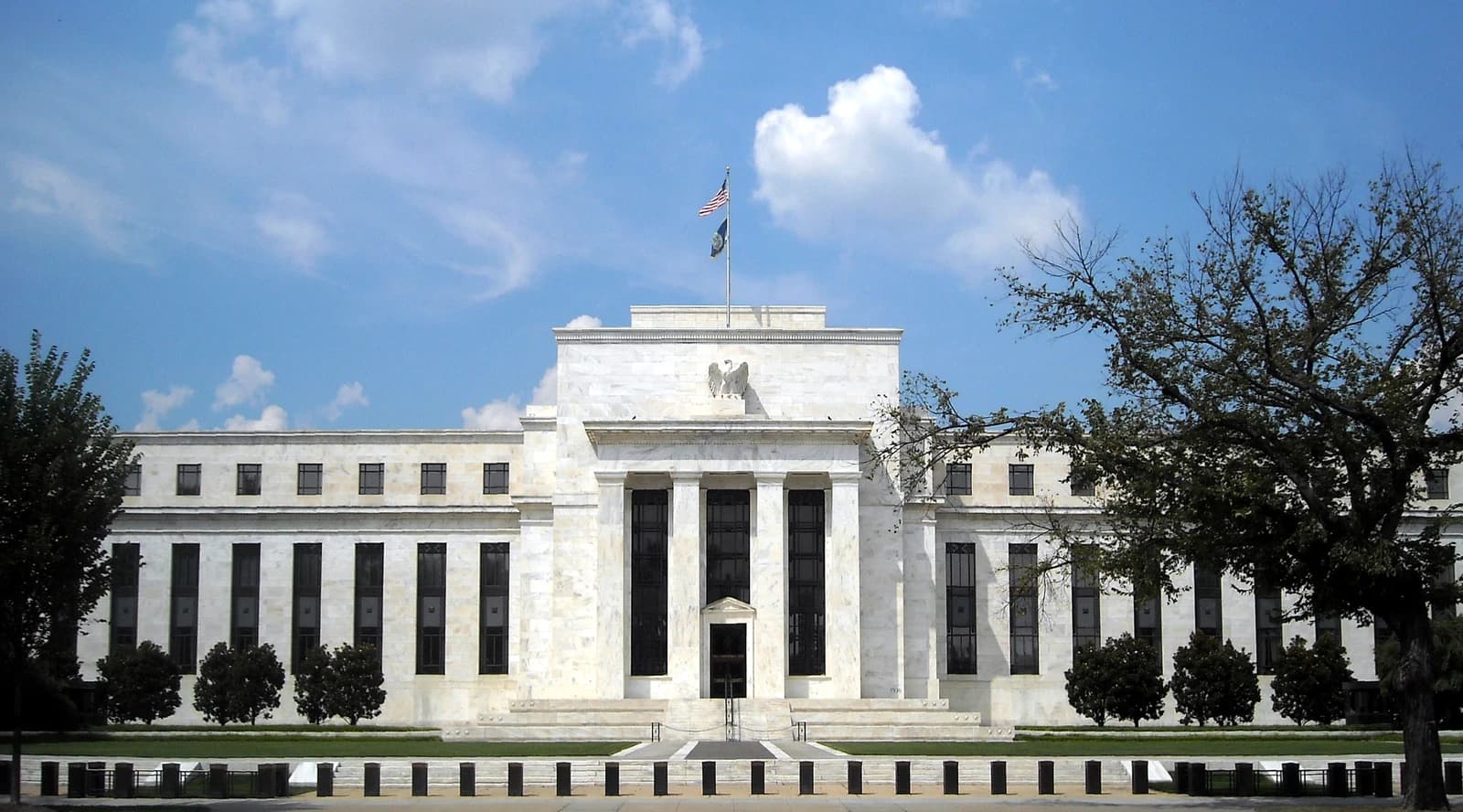
The proposal matters because insider-lending rules sit at the intersection of bank governance, risk management and credit allocation. If finalized, the overhaul would update how banks calculate and monitor credit extended to directors, executive officers and principal shareholders, potentially allowing more flexibility for routine lending while preserving safeguards against self-dealing.
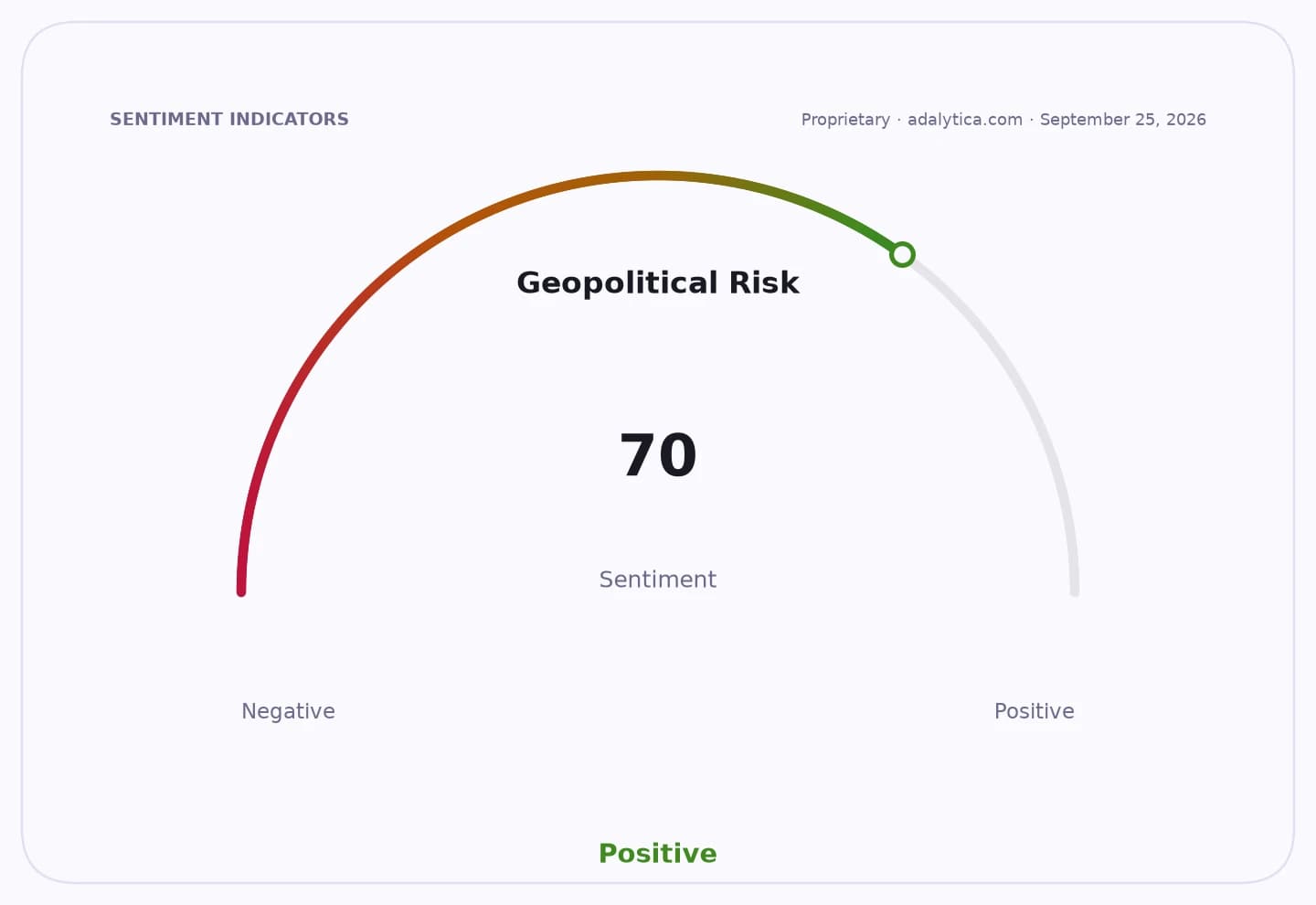
Sentiment IndicatorsⓘProprietary · adalytica.com · July 31, 2026
This is a snapshot — live sentiment, awareness and momentum for 130+ markets update continuously in the dashboard.Open AlphaPulse
For banks, the immediate economic effect would be operational rather than macroeconomic. Lenders would have less reason to tie up balance-sheet capacity in overly conservative interpretations of affiliated lending limits, and smaller institutions in particular could see lower compliance costs. That may not change overall system credit growth on its own, but it can improve efficiency at the margin, especially for banks that rely heavily on relationship lending and local commercial customers.
The move comes against a backdrop of a still-restrictive policy rate environment. The fed funds rate is around 3.63% in the latest monthly data, while the 10-year Treasury yield is near 4.66% and the two-year around 4.18%, leaving funding costs elevated relative to the era of near-zero rates. In that setting, any rule change that marginally expands banks’ lending flexibility can support loan growth and net interest income, provided credit quality holds.
Investors are likely to see the proposal as modestly constructive for U.S. financials, especially regional banks that tend to be more exposed to loan-growth regulation than money-center peers. The SPDR S&P Regional Banking ETF, KRE, has climbed to about 76.06, above both its 50-day and 200-day moving averages, with momentum indicators still positive even after a recent pullback. The Financial Select Sector SPDR Fund, XLF, is also near highs at 56.94. That suggests markets already have a favorable view of the sector, and any regulatory easing can add to the case for banks with cleaner balance sheets and stronger deposit franchises.
Among the big banks, the backdrop is slightly different. JPMorgan Chase shares have risen to 351.79, well above their 50-day and 200-day moving averages, reflecting durable earnings power and capital strength rather than a single regulatory catalyst. For the biggest lenders, the rule change is less about unlocking major balance-sheet gains and more about trimming bureaucracy. For smaller banks, the upside may be more tangible if the Fed ultimately broadens the circumstances under which insider loans are counted and monitored.
The bear case is that the change is mostly symbolic. Insider lending is a niche activity, and regulators are unlikely to tolerate anything that weakens oversight after years of heightened scrutiny of bank governance. If the final rule is narrow, the impact on earnings, lending volumes and valuations may be negligible. But even a narrow modernization can matter at a time when banks are still adapting to higher funding costs, tougher capital expectations and close supervisory review.
The key question now is whether the Fed can streamline an outdated rule without inviting concerns that it is loosening guardrails. If it succeeds, the beneficiaries are banks that gain flexibility and lower compliance burdens; the losers are those that would rather keep the old restrictions as a simple, low-risk framework.
| Entity | Gains | Losses |
|---|---|---|
| Regional banks | ▲More lending flexibility | ▼Less regulatory simplicity |
| Money-center banks | ▲Lower compliance burden | ▼Limited direct upside |
| Bank insiders | ▲Easier routine credit access | ▼Tighter disclosure scrutiny |
| Conservative regulators | ▲Updated rulebook | ▼Less rigid oversight model |