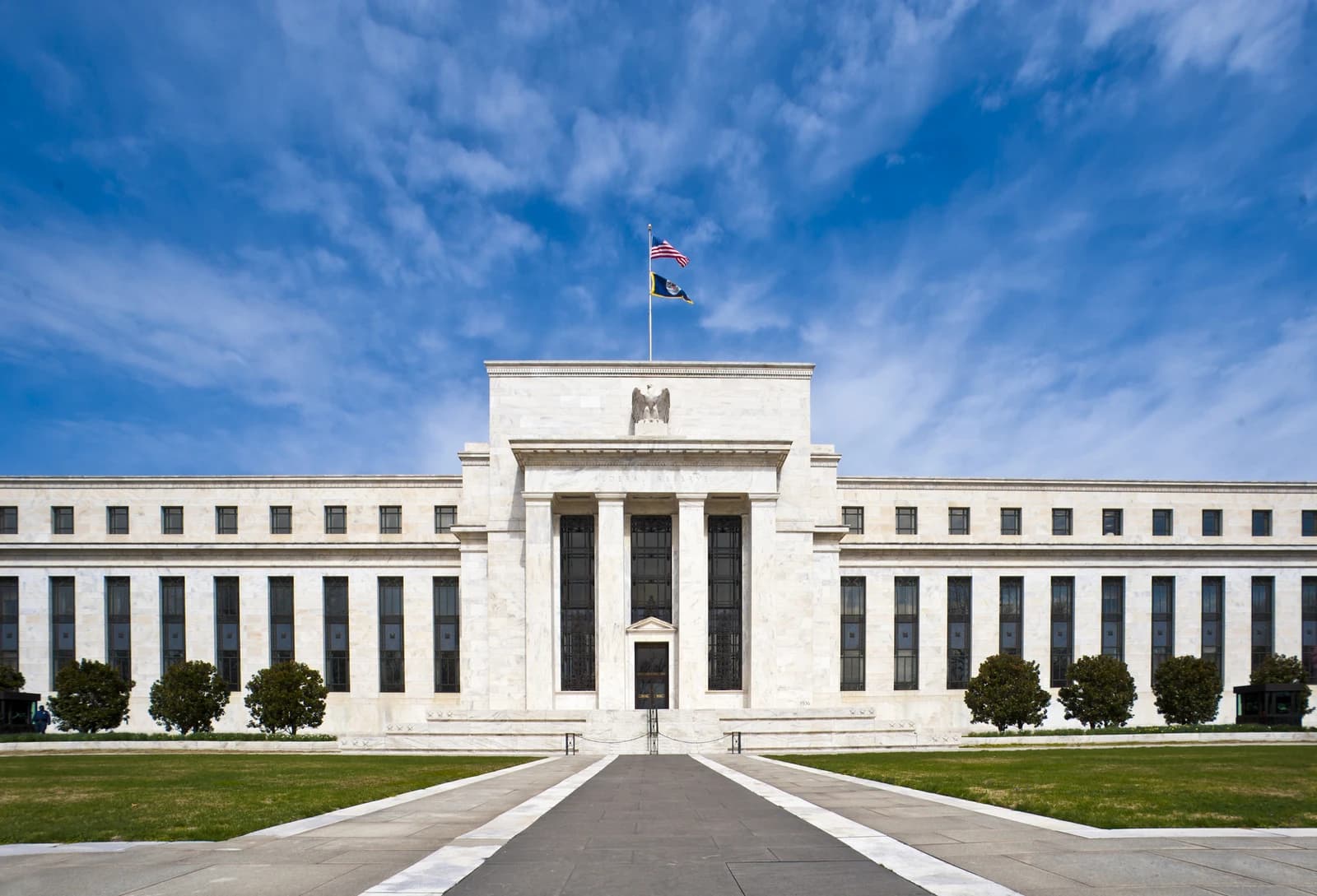
The biggest economic risk now is not whether the U.S. can keep growing, but whether the Federal Reserve pushes borrowing costs high enough to break that growth.
Fed rate hikes and recession risk after Ackman warning
Hedge-fund manager Bill Ackman’s warning that another rate increase could trigger a recession lands at a delicate moment for investors. The economy is still expanding, with third-quarter GDP growth running at 4.3%, but inflation has climbed to a three-year high and keeps the Fed under pressure to stay restrictive. That combination is exactly where policy mistakes become expensive: growth looks fine until tighter credit starts biting, and then it can unravel quickly.
Sentiment Indicators
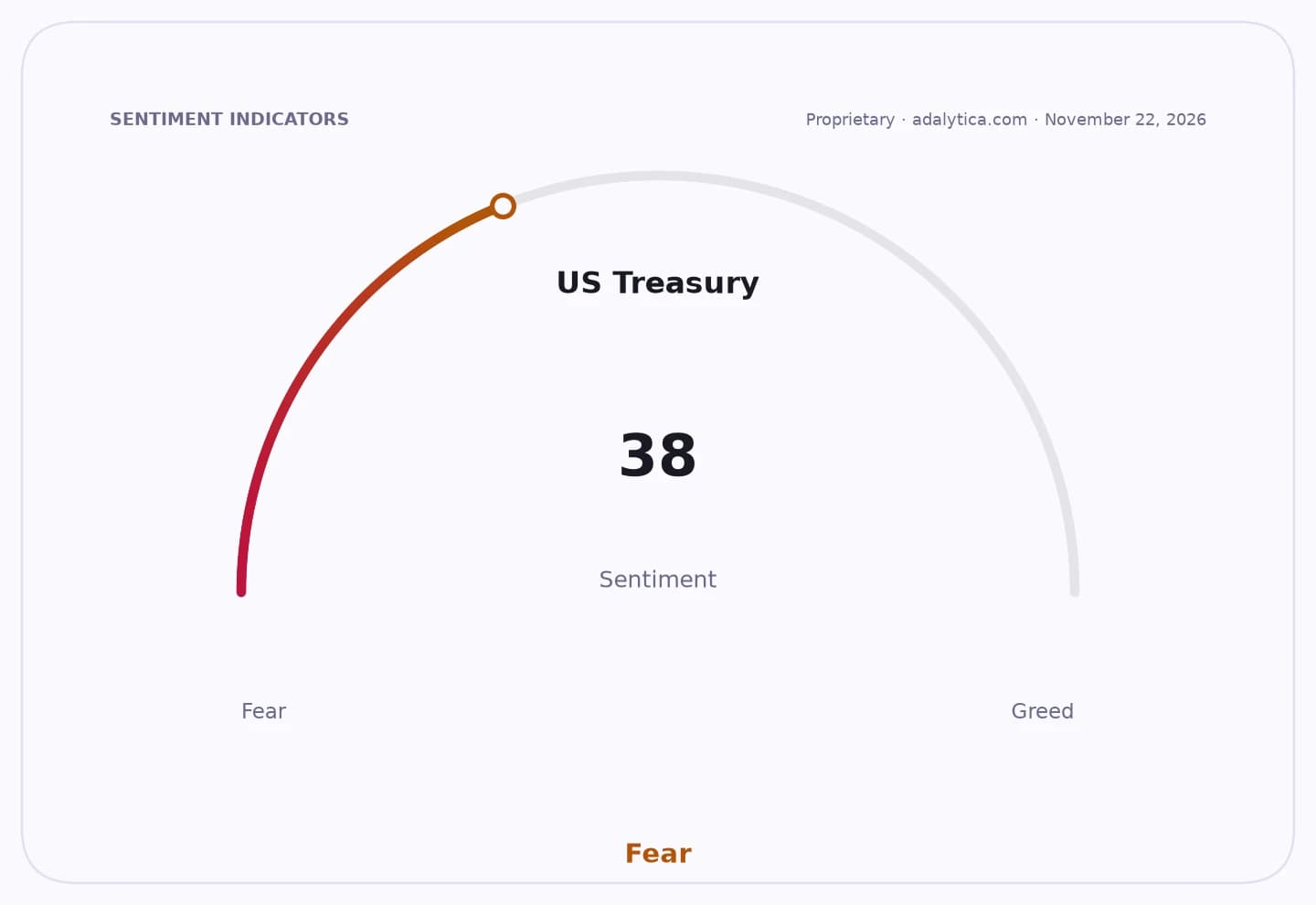
Markets are already showing the strain. The S&P 500 has been whipped around, with Adalytica’s S&P 500 trade signals flashing extreme fear even as awareness remains high, while the iShares Russell 2000 ETF has lagged badly, a sign that smaller, more rate-sensitive companies are carrying the most pain. Treasury prices have firmed too, with the iShares 20+ Year Treasury Bond ETF moving higher and the 10-year yield hovering around 4.9%, reflecting a market that is increasingly hedging against a slower economy rather than embracing one.
That matters because recessions rarely arrive all at once. They usually begin with pressure on credit, spending, and confidence. Bank filings from JPMorgan Chase, Wells Fargo and Bank of America already point to a more cautious lending backdrop, with provisions for credit losses and reserve moves showing institutions are preparing for more strain ahead. If the Fed tightens again into that environment, the risk is not just a softer quarter or two — it is a broader squeeze on corporate profits, household borrowing, and asset valuations.
FEDFUNDS vs USRECM — macro contextadalytica.com
Explore this data interactively — full history, time series and cross-market comparisons.
Forward Guidance Interpretation
For long-term investors, the lesson is not to panic over every Fed headline, but to respect how quickly rate hikes can change the odds. Higher policy rates cool inflation, but they also raise the cost of capital, compress equity multiples and hit economically sensitive sectors first. Small caps, banks, leveraged companies and rate-dependent housing-related names would likely feel the most pressure, while cash-rich, durable businesses with pricing power could hold up better.
The Fed may still believe it can engineer a soft landing. Markets are not nearly as sure. If policymakers keep pressing on inflation while growth is already vulnerable, the debate Ackman is warning about could shift from “how high rates go” to “how much damage is done.” For investors, that makes diversification and patience more important than trying to guess the next move. Long-term portfolios should be built to survive both the Fed’s restraint and its mistakes.
| Entity | Gains | Losses |
|---|---|---|
| Treasury bulls | ▲Safer-haven demand | ▼Higher-growth risk appetite |
| Rate-sensitive small caps | ▲Lower rates, softer policy | ▼More Fed tightening |
| Cash-rich large caps | ▲Relative resilience | ▼Margin pressure across economy |
| Banks and lenders | ▲Wider lending spreads in calm markets | ▼Credit losses, slower loan growth |