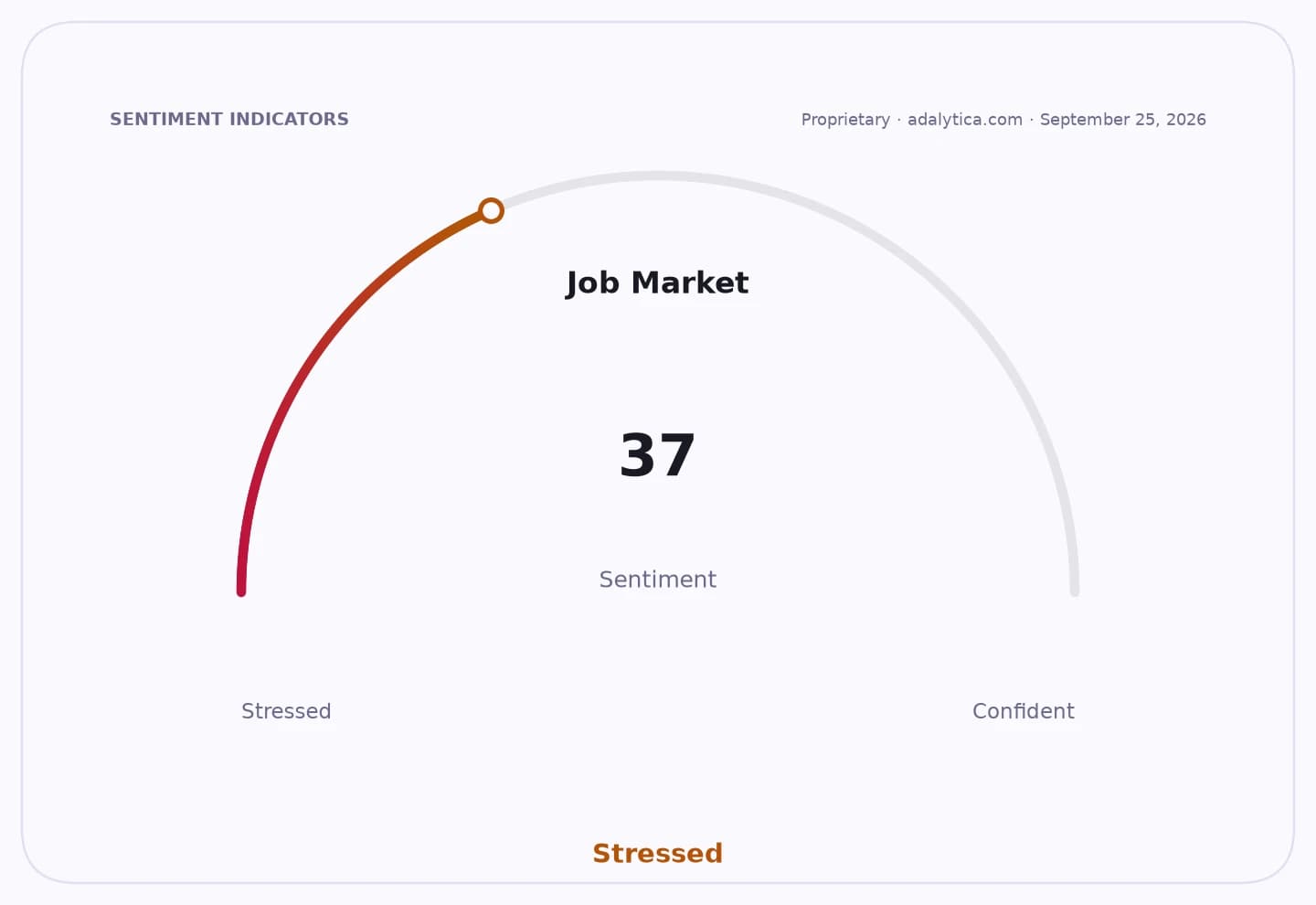
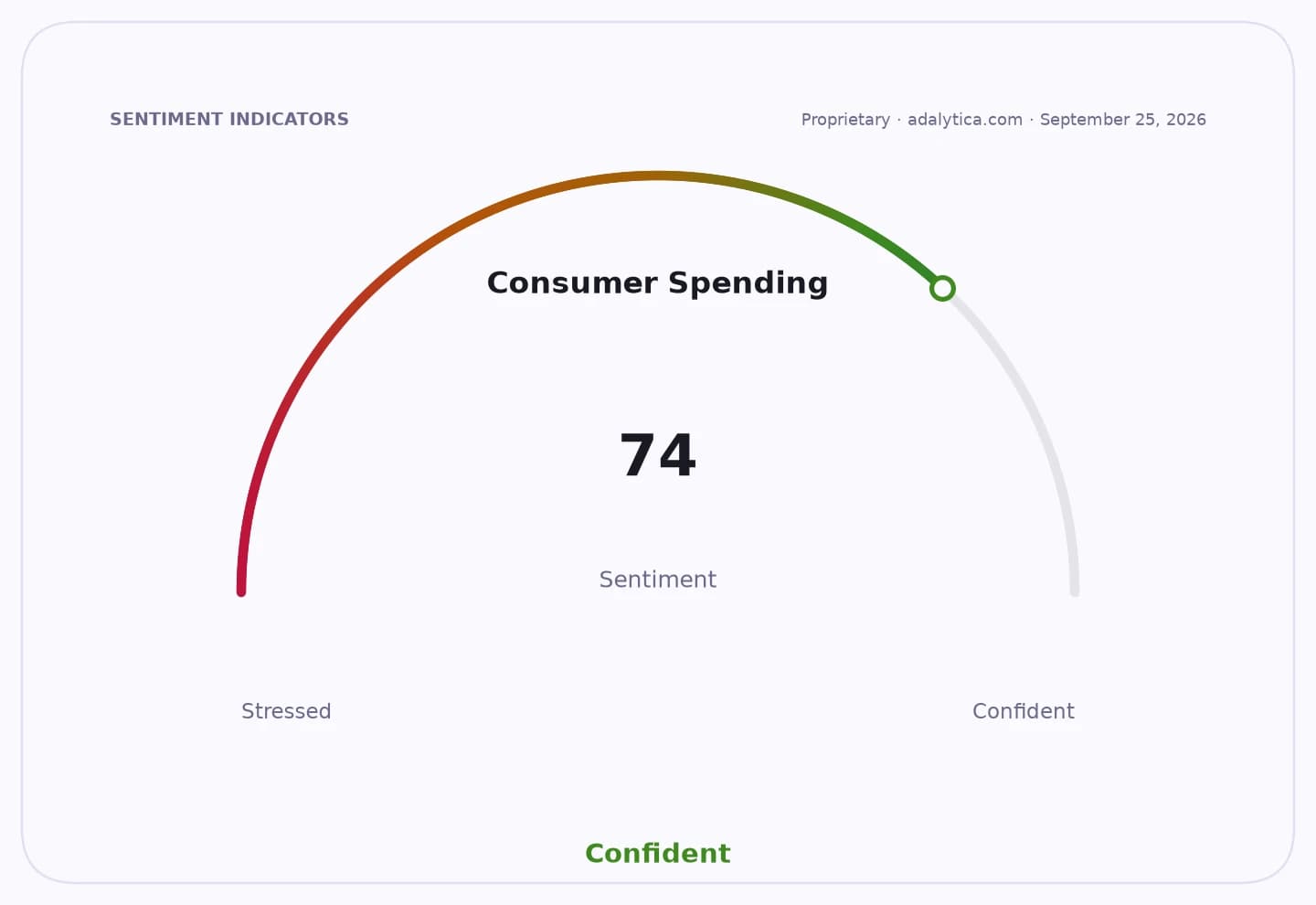
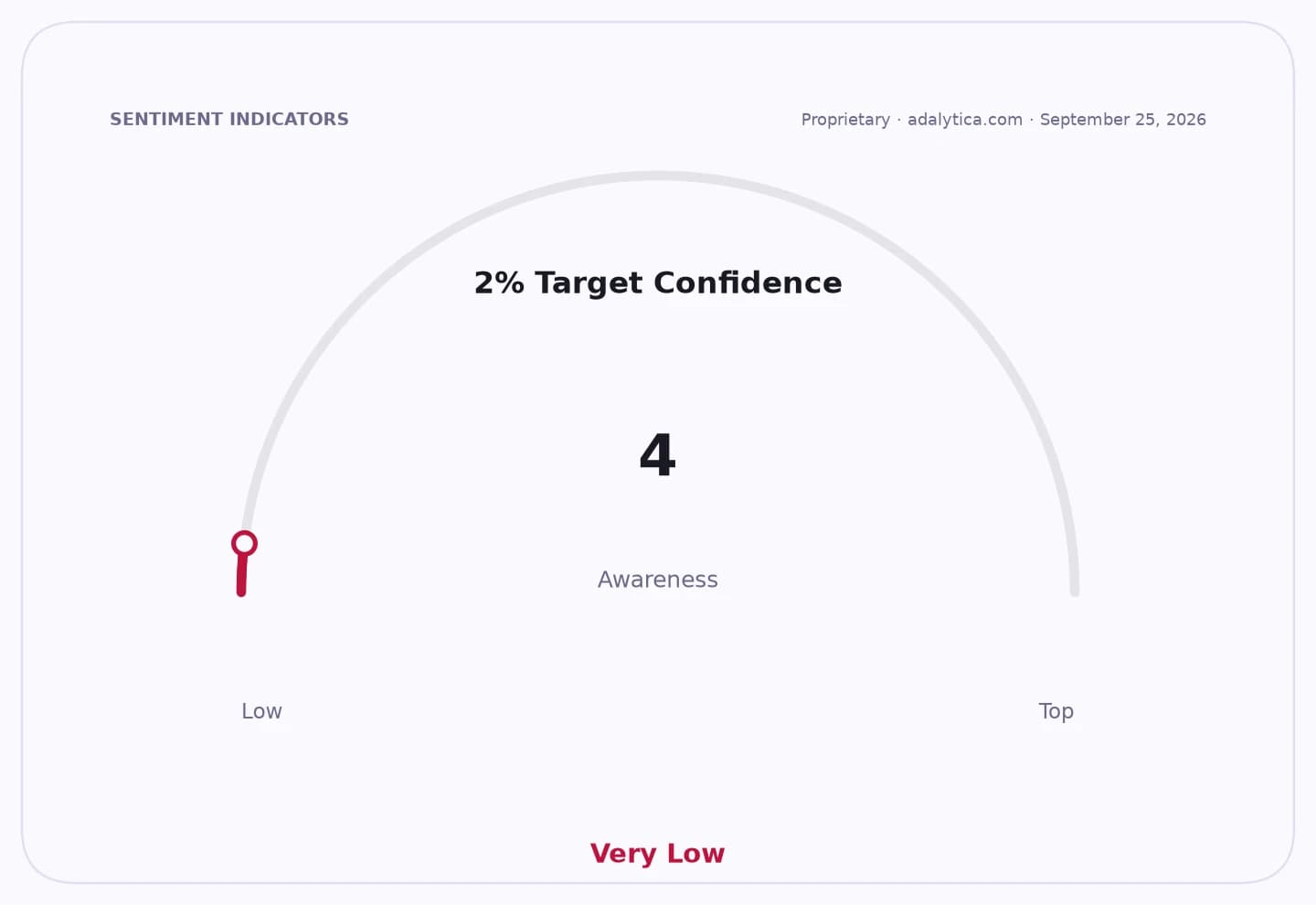
The best savings rates remain elevated because the Federal Reserve is still holding its policy rate near a mid-2020s plateau, keeping banks under pressure to pay up for deposits even as money-market yields and Treasury bills continue to offer stiff competition.
Fed Rate 3.63% Keeps Savings Yields Elevated
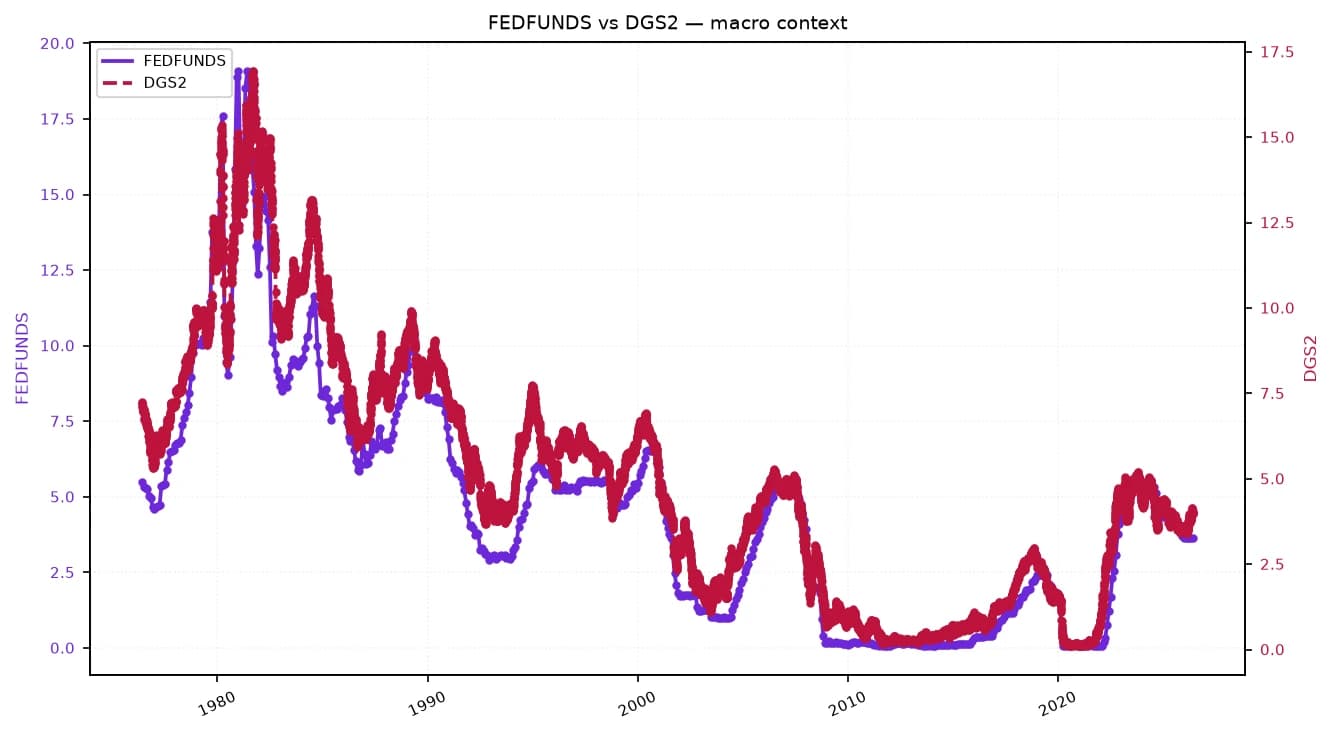
That matters because savings accounts sit at the front line of monetary transmission: when the Fed’s benchmark rate is above 3.6%, the yield available to depositors can stay meaningfully higher than the near-zero era that followed the financial crisis, improving income for savers while lifting funding costs for banks. The latest Fed funds reading at 3.63%, with a July forecast of 3.627%, suggests little immediate relief for lenders trying to protect margins or for borrowers hoping for cheaper credit.
The backdrop is a still-strong Treasury curve. The two-year yield was recently around 4.23%, while the 10-year stood near 4.68%, levels that give banks little incentive to let deposit pricing drift too far lower. For consumers, that keeps online savings accounts, high-yield deposit products and short-dated cash alternatives relevant. For investors, it means deposit competition remains a variable in bank net interest income, even if loan growth and capital return still support valuations.
That tension is visible in bank shares. JPMorgan has risen to about $351.79 from $294.37 in mid-May, while Bank of America has climbed to $61.95 from $47.65. Wells Fargo has also rebounded to $86.45 after earlier weakness. The rally suggests investors remain focused on earnings power rather than deposit costs alone, but the gap between policy rates and deposit rates still leaves room for scrutiny around funding mix, beta, and how quickly banks reprice cash.
For savers, the practical conclusion is straightforward: the best rates are still being found at banks and cash platforms that need incremental balances, not at the average branch account. For investors, the more important question is how long the Fed keeps policy restrictive enough to preserve that spread — and whether any future rate cuts feed through to deposit pricing faster than to loan books.
| Entity | Gains | Losses |
|---|---|---|
| Savers | ▲Higher cash yield | ▼Slower rate relief |
| Banks | ▲Deposit inflows if competitive | ▼Margin pressure |
| JPMorgan, BofA, Wells Fargo | ▲Earnings from higher-rate environment | ▼Higher funding costs |
| Money-market funds | ▲Stay attractive vs. bank deposits | ▼Lose if deposits reprice up |