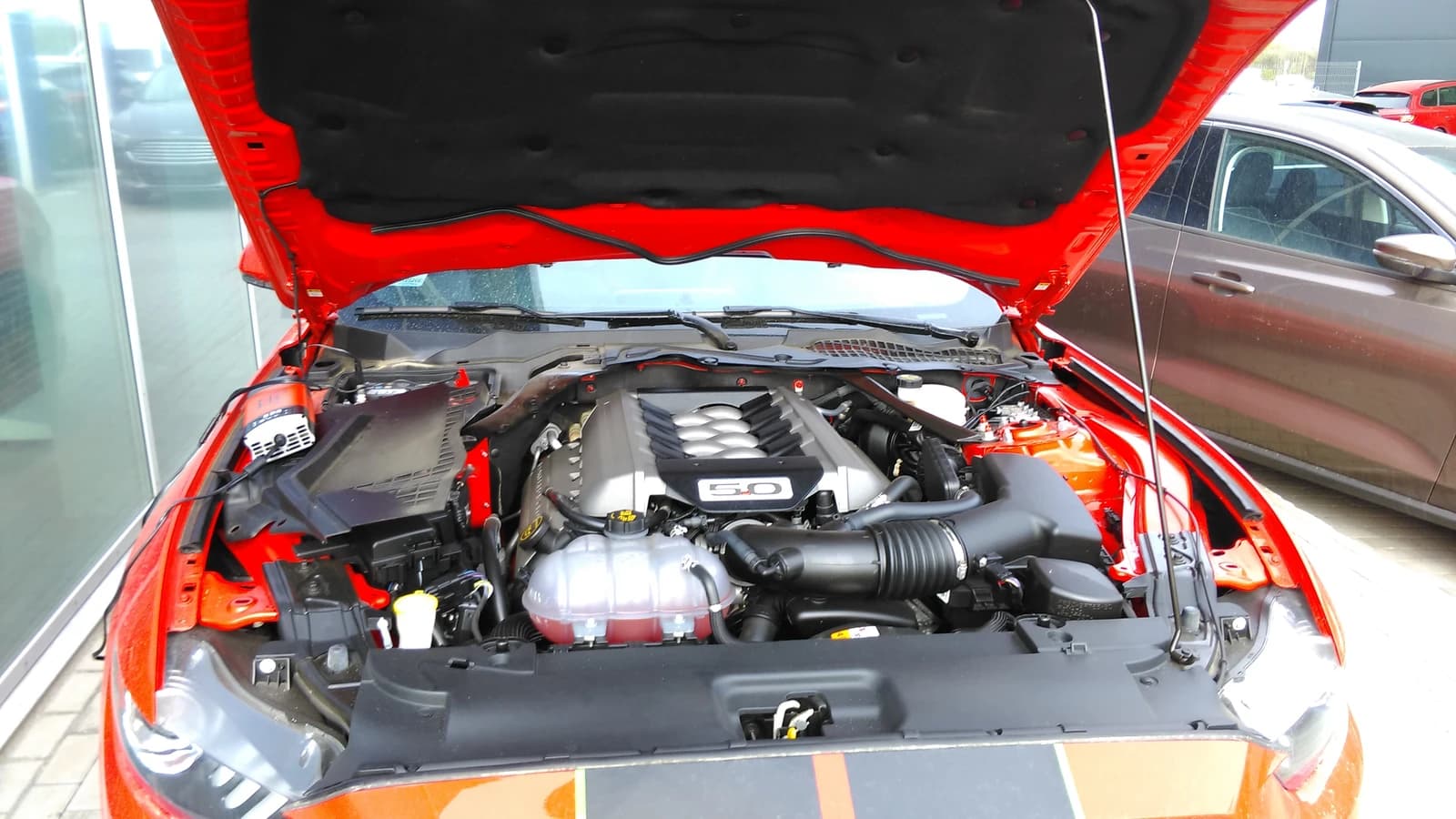
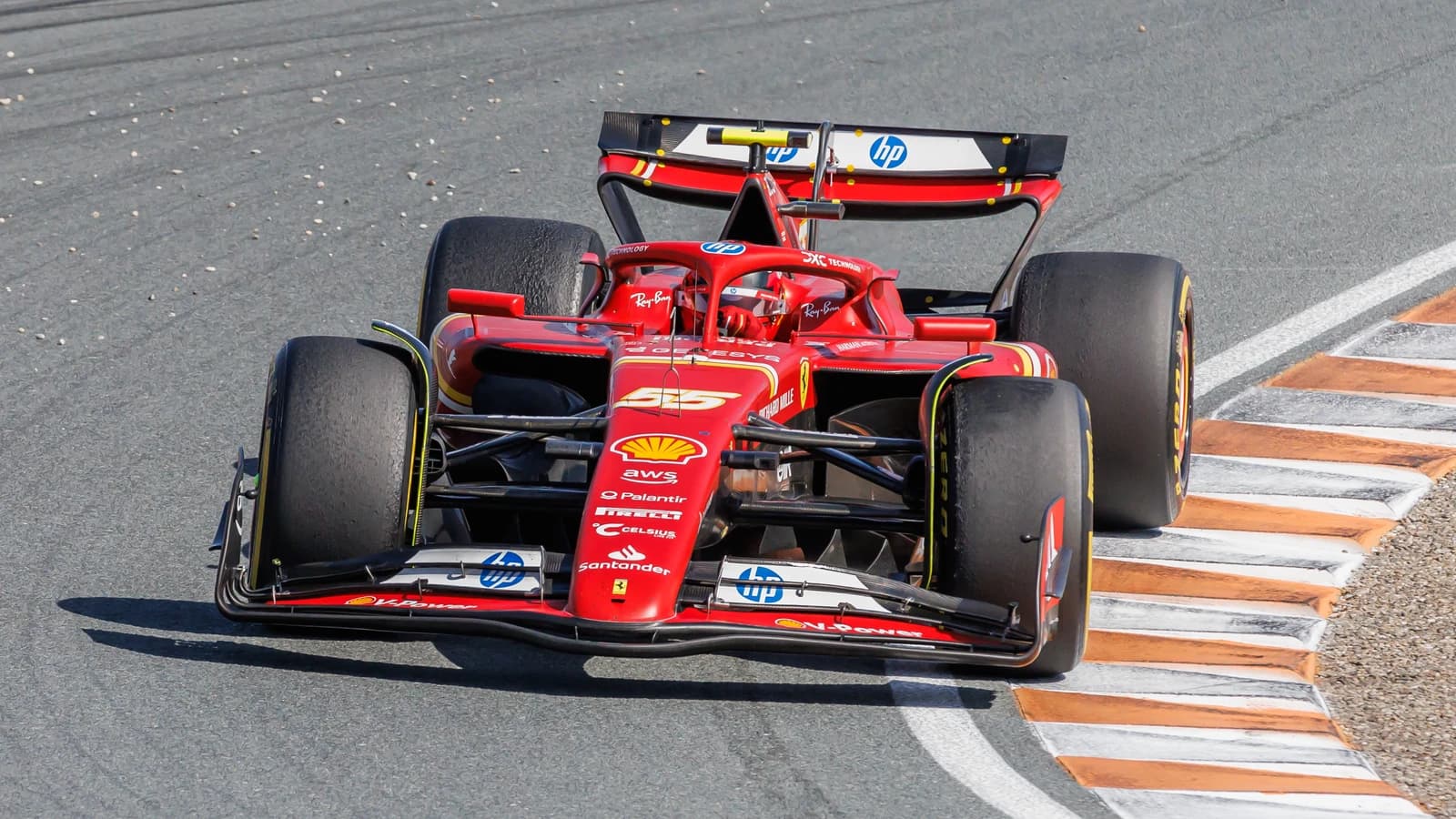
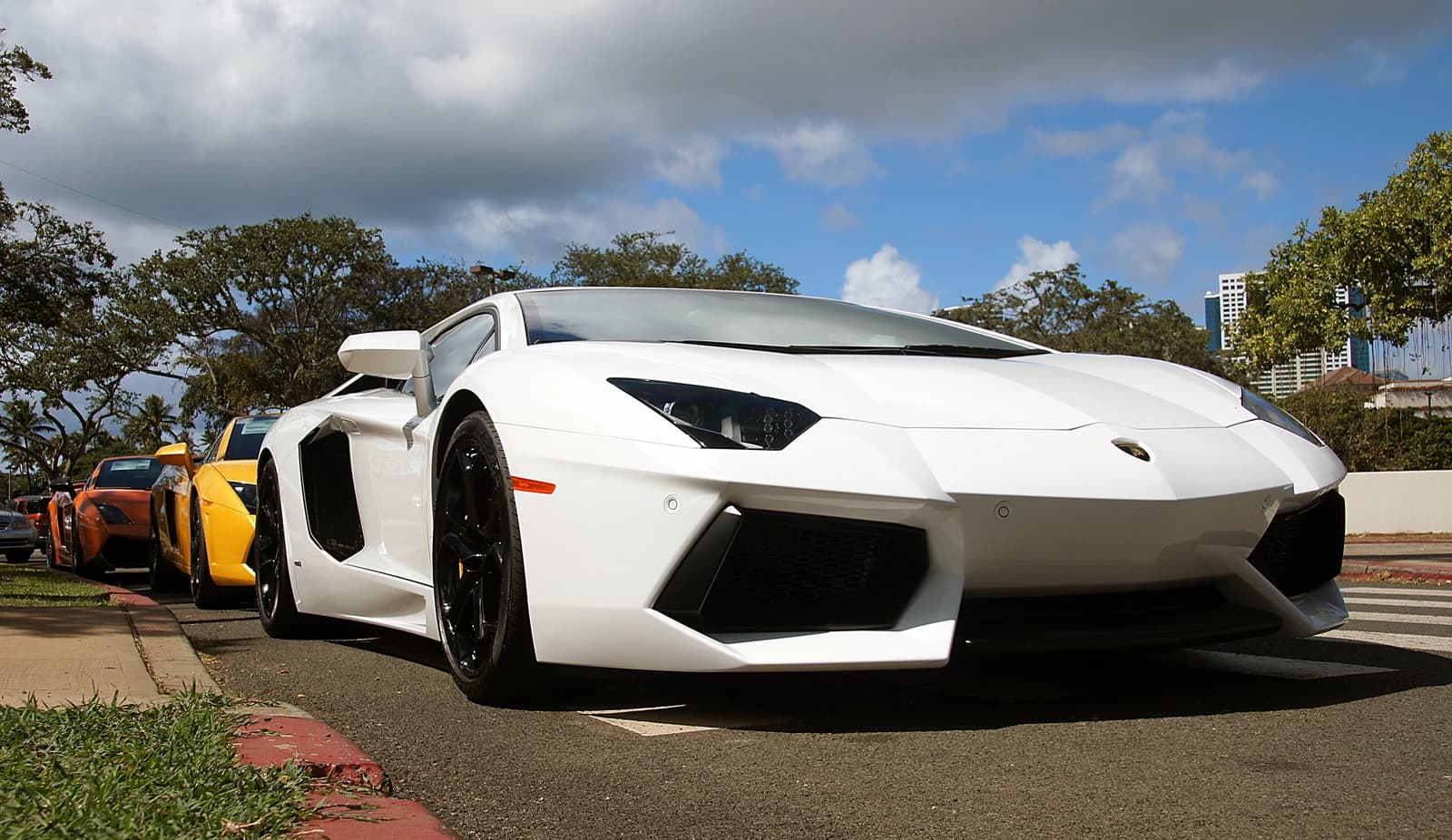
Ferrari’s continued push into ever more extreme performance cars underscores a simple investment truth: ultra-luxury auto demand is still being driven by scarcity, branding power and pricing discipline, not by mass-market car sales cycles.
Ferrari shares above key moving averages
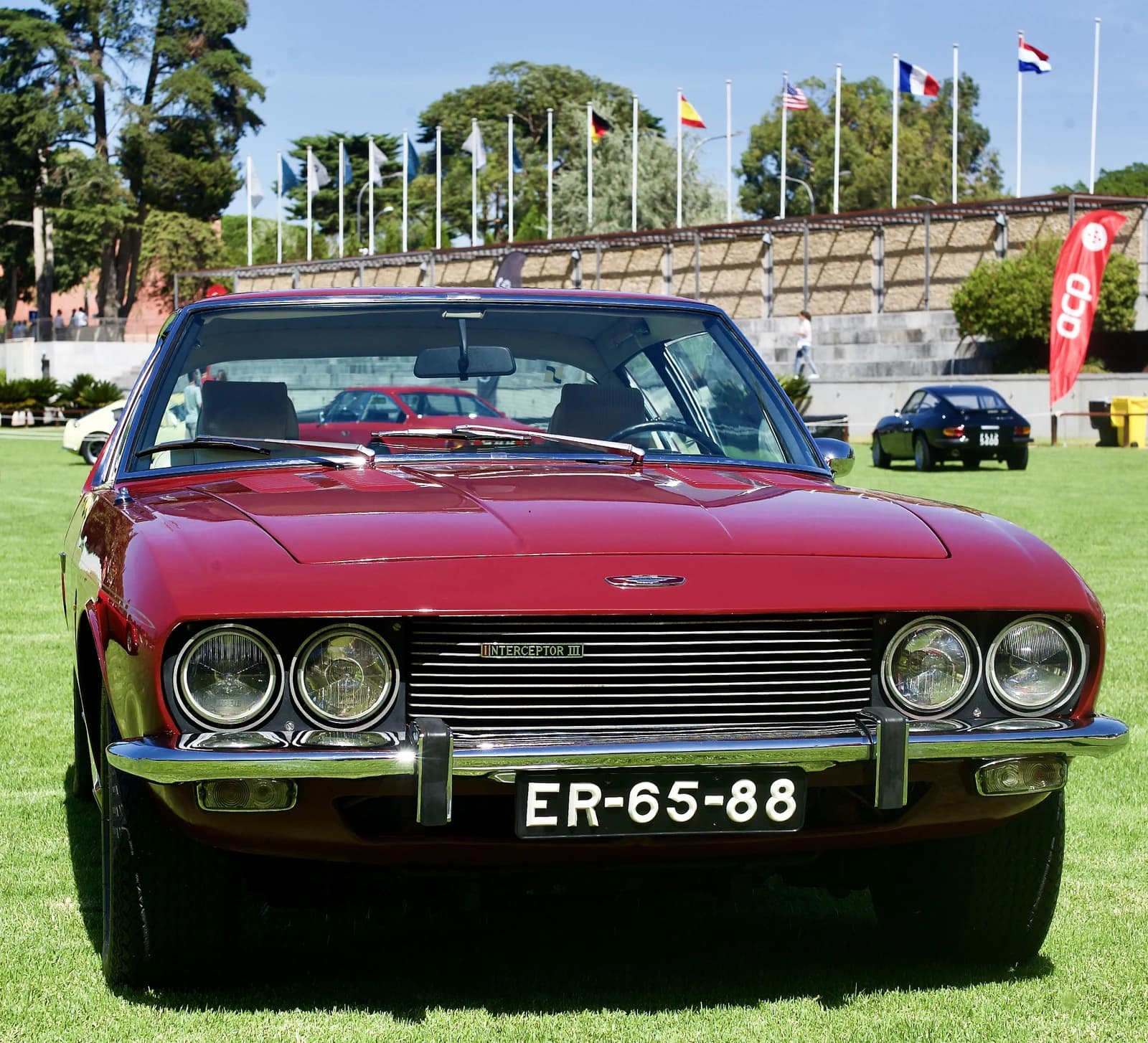
The Jensen Interceptor GTX, billed as Britain’s 960-horsepower answer to the Ford Mustang GTD, fits neatly into that same narrative. In a market where the most desirable cars are sold as rolling statements rather than transportation, the real story is not just brute power. It is the willingness of wealthy buyers to keep paying up for exclusivity, even as the broader auto industry wrestles with pricing pressure, emissions rules and a more cautious consumer.
For Ferrari investors, that matters because the company’s business model depends on keeping demand well ahead of supply. That allows it to protect margins, preserve brand heat and keep average selling prices elevated. The latest crop of halo cars — from the Mustang GTD to the Jensen Interceptor GTX and rival ultra-high-performance models — shows that the top end of the market is still a contest over who can build the most desirable object, not who can sell the most units.
Ferrari’s stock has reflected that resilience. Shares around $409 recently sat comfortably above the 50-day moving average of roughly $396 and the 200-day moving average near $363, suggesting the long-term trend remains intact even after a pullback from August highs. Technical readings have cooled from overbought levels, with RSI at 46, which usually says more about consolidation than collapse. For long-term investors, that kind of reset can be healthy in a business built on compounding rather than volume growth.
The bigger investment lesson is that the ultra-performance segment often travels on its own track. Buyers in this niche are not shopping based on fuel prices or monthly payment sensitivity in the way mainstream car buyers do. They are buying prestige, collectability and engineering theatre. That is why Ferrari can keep leaning into limited-run models, special editions and brand-defining performance cars while competitors chase scale or discounts.
Still, investors should remember that halo-car demand is not the same as a guarantee of endless upside. Regulation, electrification costs and a softer global economy can all reshape the market over time. But the near-term evidence still points to one of the strongest moats in public markets: a brand so powerful that new rivals, even a 960-horsepower British reinterpretation of a muscle-car icon, mostly reinforce Ferrari’s status rather than dent it.
For patient investors, Ferrari remains a rare luxury-name holding built for years, not quarters. The stock’s recent pullback looks more like a pause in a durable compounding story than the start of a trend change. Worth watching, and for long-term portfolios, still one of the most compelling names in premium autos.
| Entity | Gains | Losses |
|---|---|---|
| Ferrari | ▲Brand cachet and pricing power | ▼None obvious in the near term |
| Jensen Interceptor GTX | ▲Attention in the ultra-performance niche | ▼Mass-market relevance |
| Mustang GTD | ▲Benchmark status in horsepower wars | ▼Exclusivity edge, if rivals close the gap |
| Long-term Ferrari shareholders | ▲A resilient luxury moat | ▼Short-term traders chasing momentum |