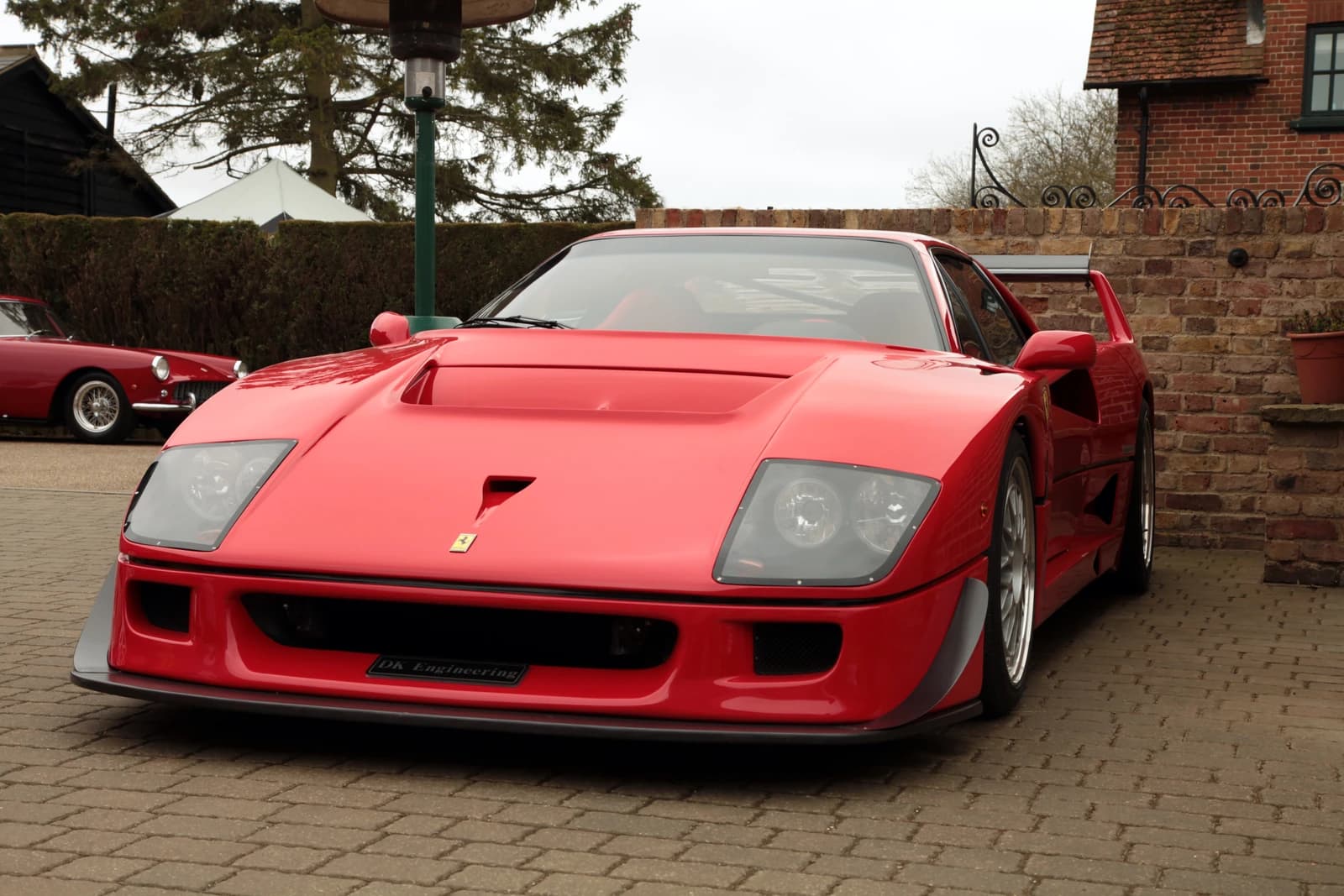
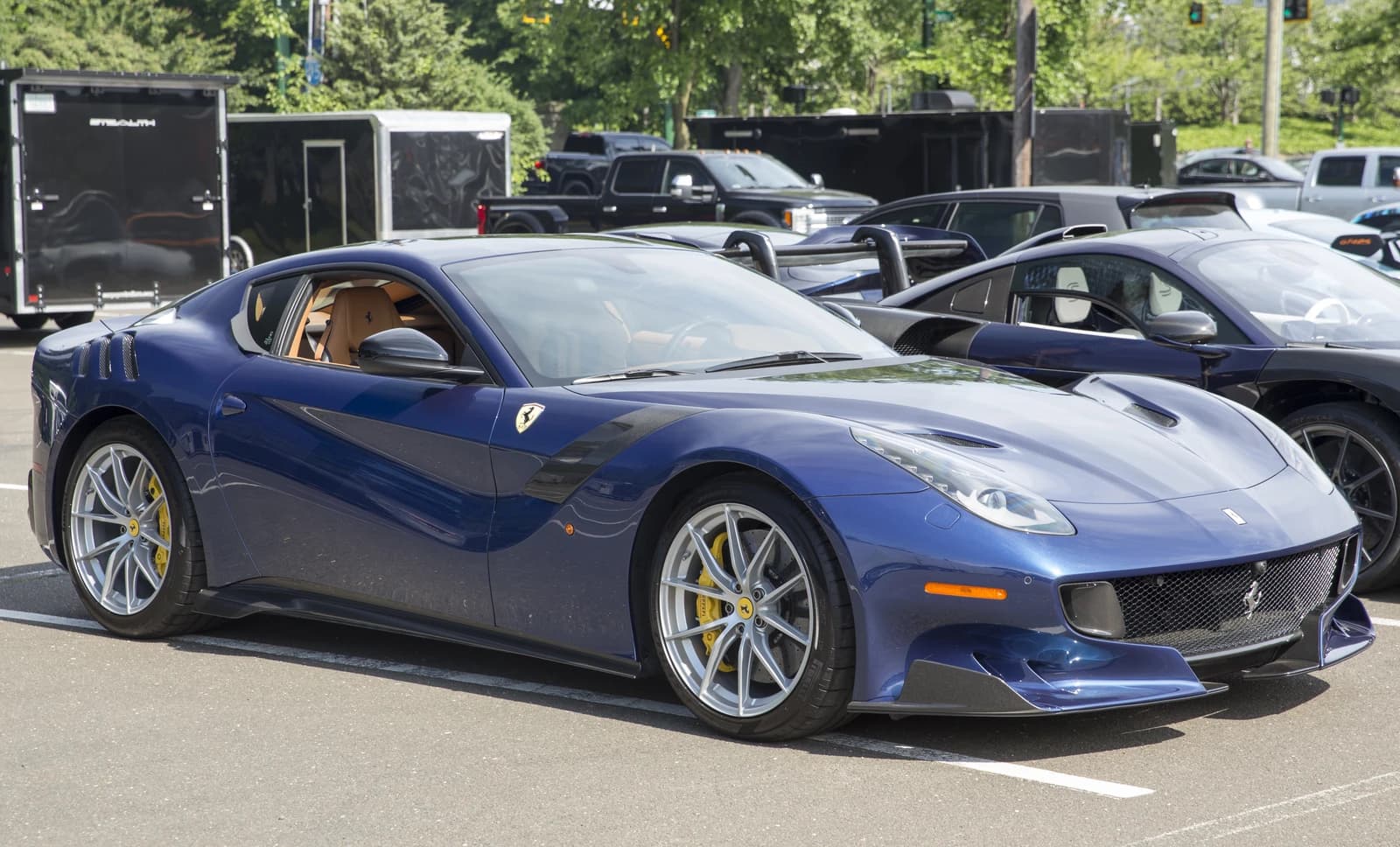
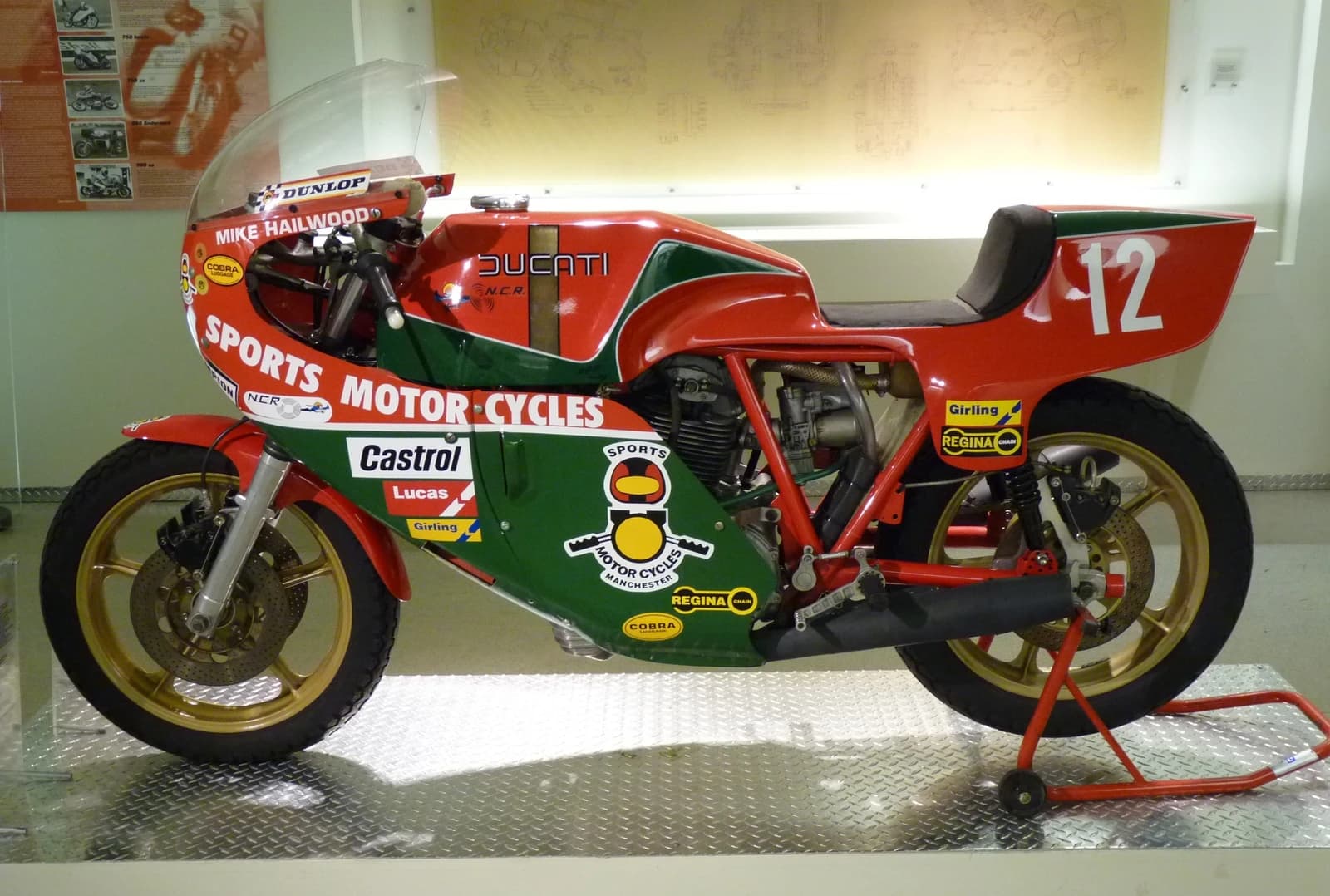
Hundreds of collector cars, including Ferraris and other rare models, are expected to draw enthusiasts to Montpellier this weekend, underscoring the resilience of the upper end of the luxury car market even as the broader auto sector faces softer demand and heavier electrification costs.
Ferrari Stock Pulls Back as Collector-Car Demand Holds
The gathering in Pérols near Montpellier is more than a weekend showpiece: it highlights how scarcity, heritage and brand cachet continue to support values in the collector-car segment. For manufacturers such as Ferrari, whose shares trade on investor expectations of pricing power and tight supply discipline, the endurance of collector interest is a reminder that the most exclusive names in the industry remain tied to a different economic cycle than mass-market autos.
Ferrari’s stock has retreated from its late-August peak near $436.54 to about $388.33 in the latest available trading, after slipping below its 50-day moving average in recent sessions. The pullback reflects some cooling after a strong run, but not a collapse in the market’s view of the brand’s long-term scarcity model. With the shares still above the 200-day moving average around $365, investors appear to be pricing in continued resilience in margins and demand for high-end models, even as momentum indicators have weakened.
That backdrop matters because collector-car events often act as a real-time gauge of appetite for prestige assets. In periods of economic uncertainty, buyers at the top end tend to be less sensitive to financing conditions and more focused on authenticity, condition and provenance. That can support auction values, private sales and restoration businesses, while also reinforcing the investment case for OEMs that have successfully cultivated rarity rather than volume.
The recent price action in Ferrari also suggests the market is shifting from momentum to fundamentals. The stock’s RSI readings have cooled sharply from overbought levels, while the 50-day average has flattened after months of gains. For bulls, that looks like a reset rather than a broken trend. For bears, it is evidence that even premium franchises are not immune to valuation pressure when expectations outrun near-term catalysts.
The Montpellier show fits into a broader European luxury ecosystem that includes auctions, club events and brand heritage marketing, all of which help sustain residual values for classic and modern collectible cars. That matters economically because strong residuals make high-end vehicles easier to finance and easier to justify as discretionary purchases. It also helps protect pricing power for brands that can sell not just transportation, but status, engineering and investment appeal.
For investors, the key question is whether Ferrari can keep translating cultural desirability into earnings growth. The collector-car market alone will not move the stock, but it reinforces the premium narrative that sits behind Ferrari’s valuation. If demand at events like Montpellier remains firm, it supports the idea that the ultra-luxury auto segment is still relatively insulated from the weakness hitting mainstream carmakers, even as execution risks and broader market volatility persist.
| Entity | Gains | Losses |
|---|---|---|
| Ferrari and other prestige brands | ▲Brand cachet and pricing power | ▼Volume-driven automakers |
| Collector-car sellers | ▲Higher attention and potential bids | ▼Buyers seeking discounts |
| Enthusiasts and clubs | ▲More events and liquidity | ▼Casual buyers priced out |
| Ferrari shareholders | ▲Support for premium valuation | ▼Momentum traders if shares stay weak |