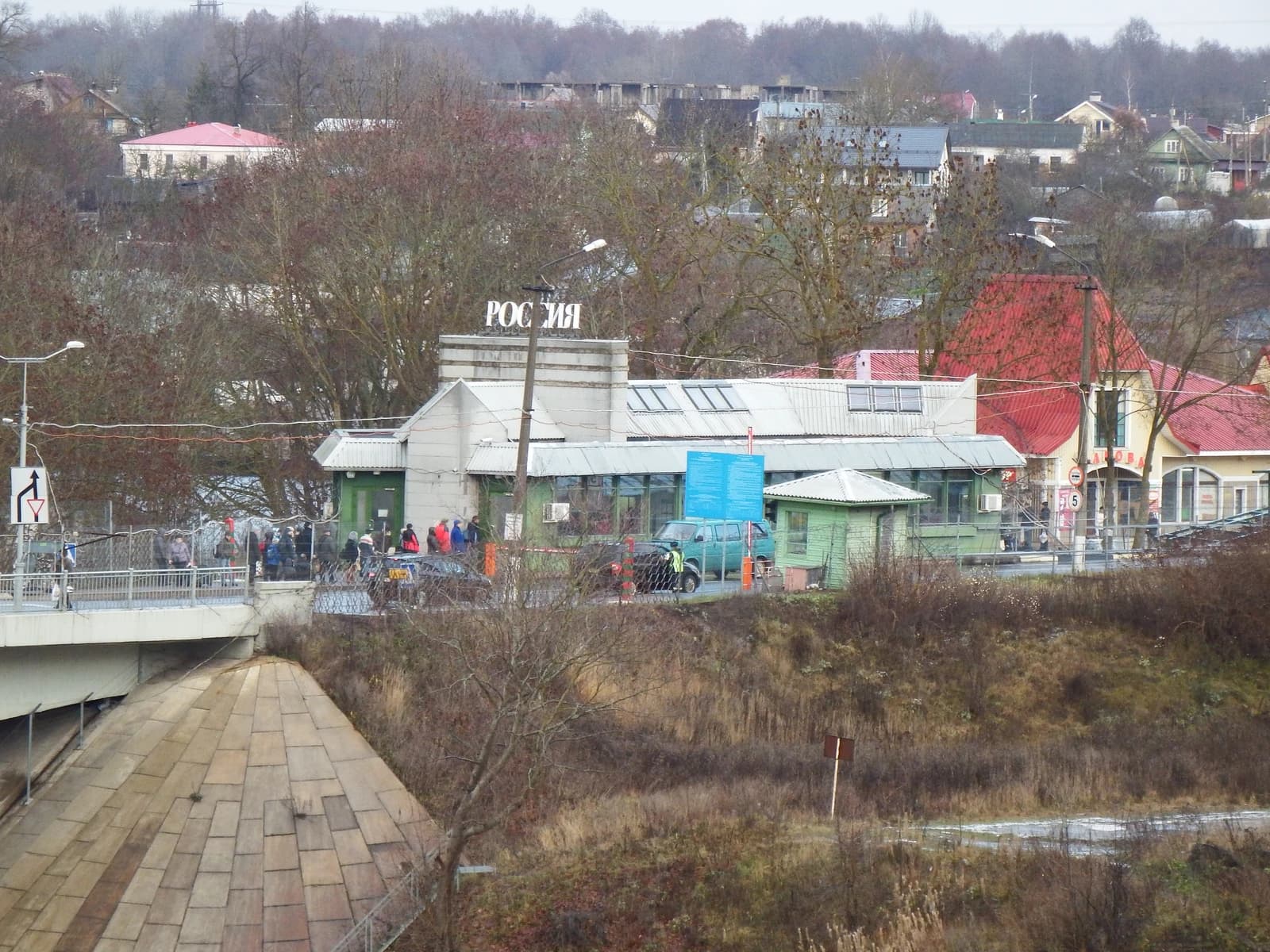
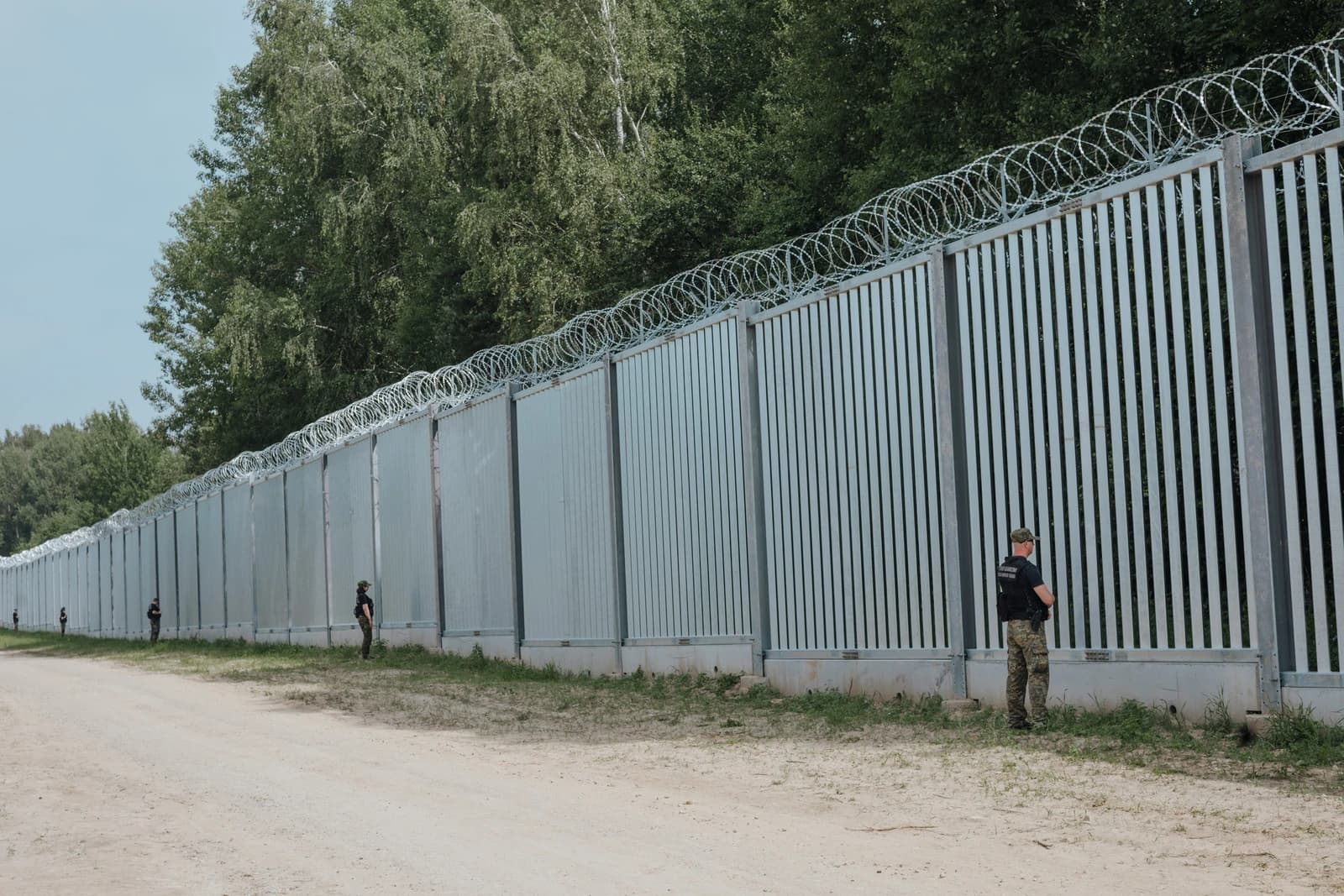
Finland’s completion of a 200-kilometer border fence with Russia marks the clearest sign yet that Helsinki is turning a once-ordinary bilateral relationship into a hardened security perimeter, a shift Moscow is now using to argue that Finland has moved decisively into the anti-Russia camp.
Finland completes 200-km border fence with Russia
The immediate economic impact is limited, but the strategic meaning is substantial: the border fortification, combined with restrictions on access to Russian documents until 9999 and a tougher public tone from Finnish officials, underscores how the fallout from the war in Ukraine is reshaping trade, mobility and cross-border cooperation across northern Europe. For businesses, the message is that the old operating assumptions around Russian-Finnish logistics, people flows and cultural exchange are unlikely to return soon.
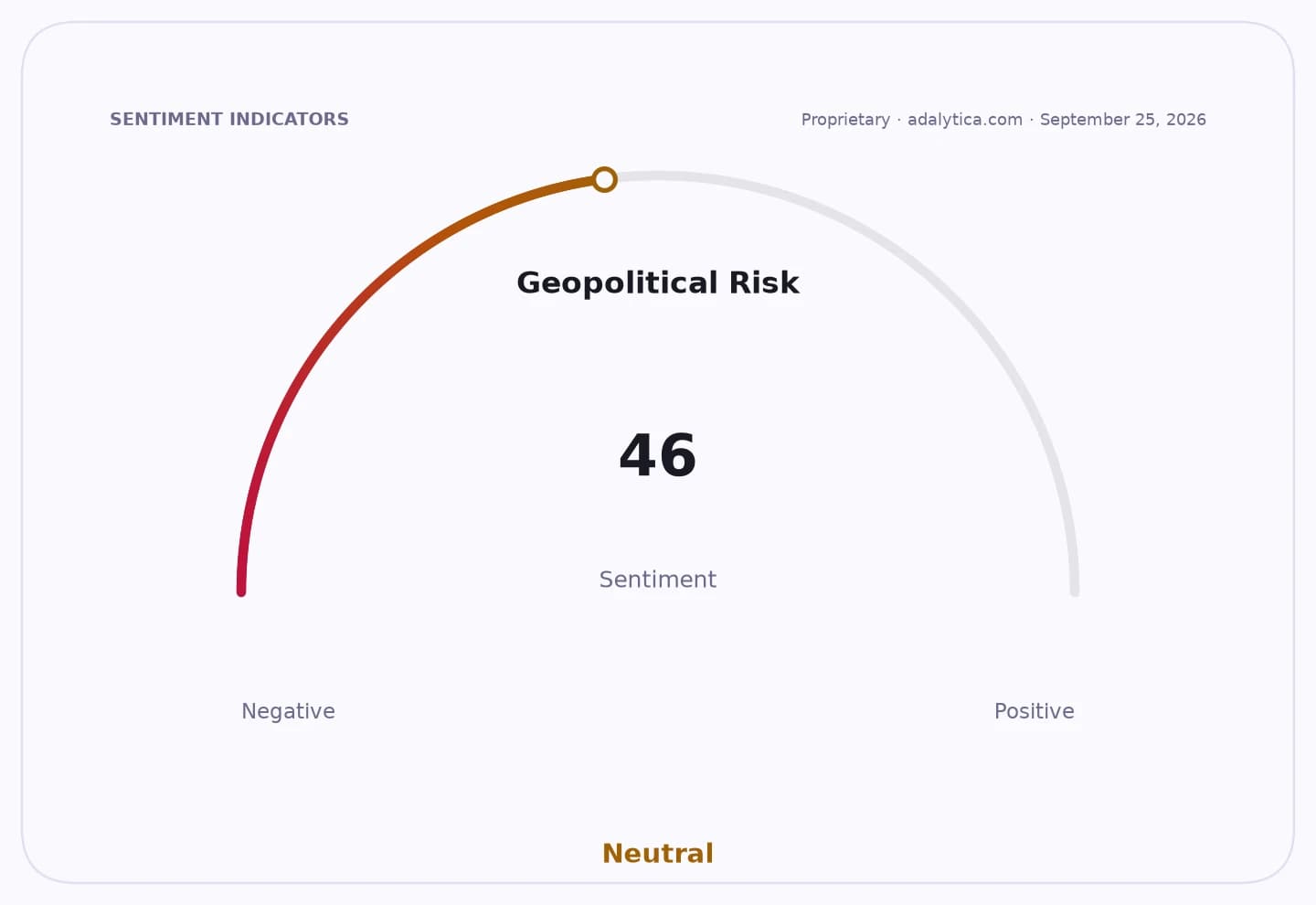
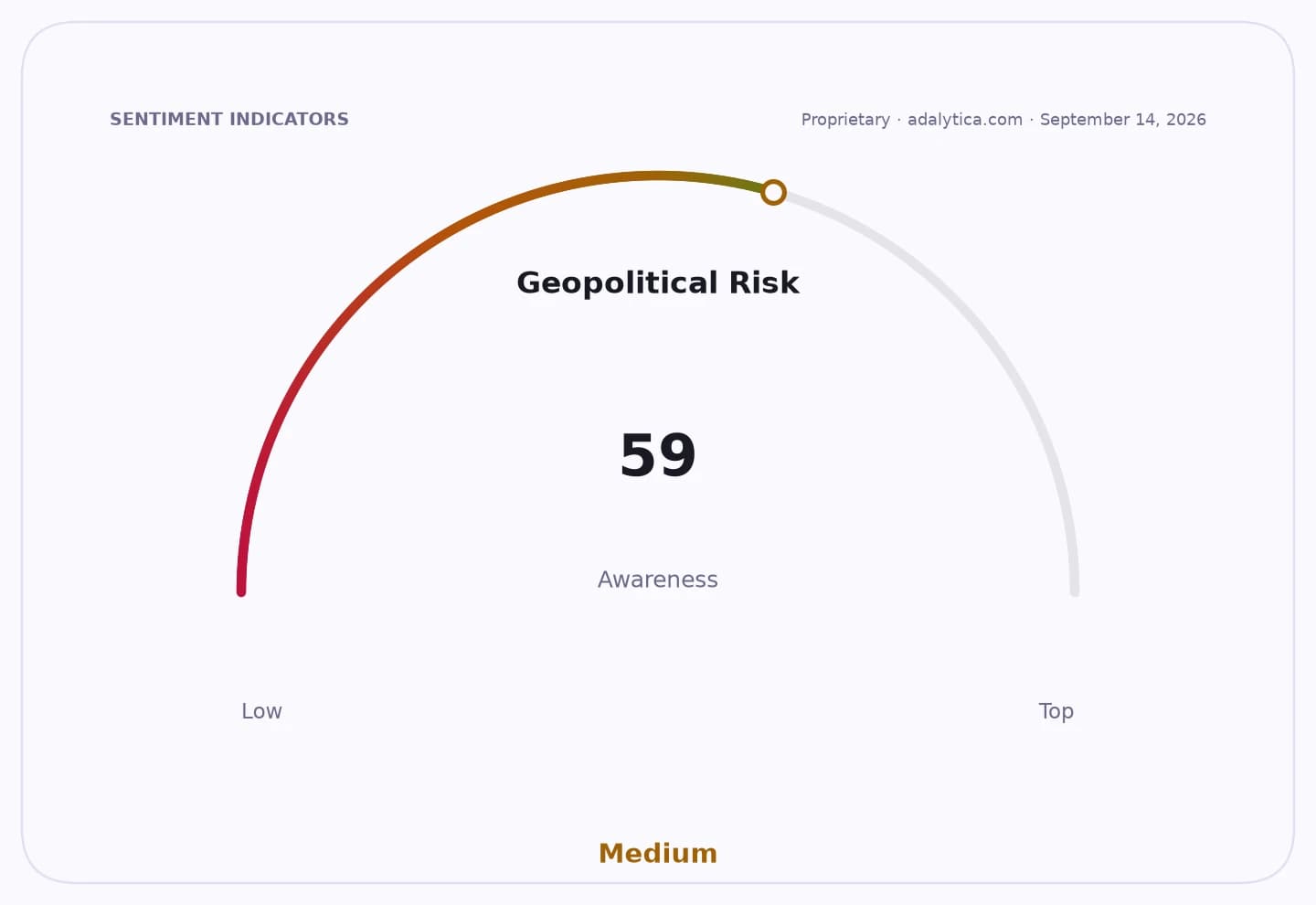
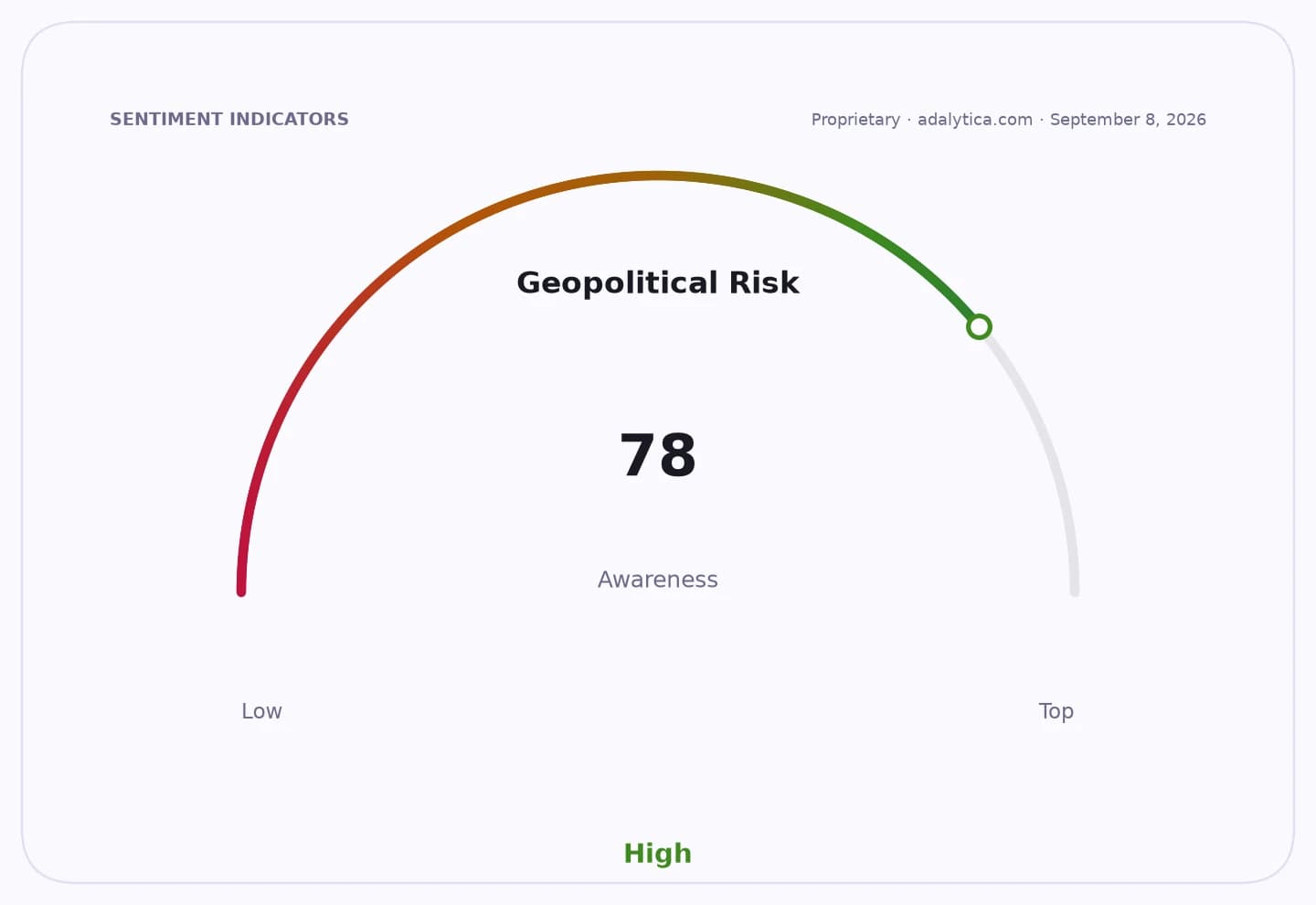
Sentiment IndicatorsⓘProprietary · adalytica.com · September 8, 2026
This is a snapshot — live sentiment, awareness and momentum for 130+ markets update continuously in the dashboard.Open AlphaPulse
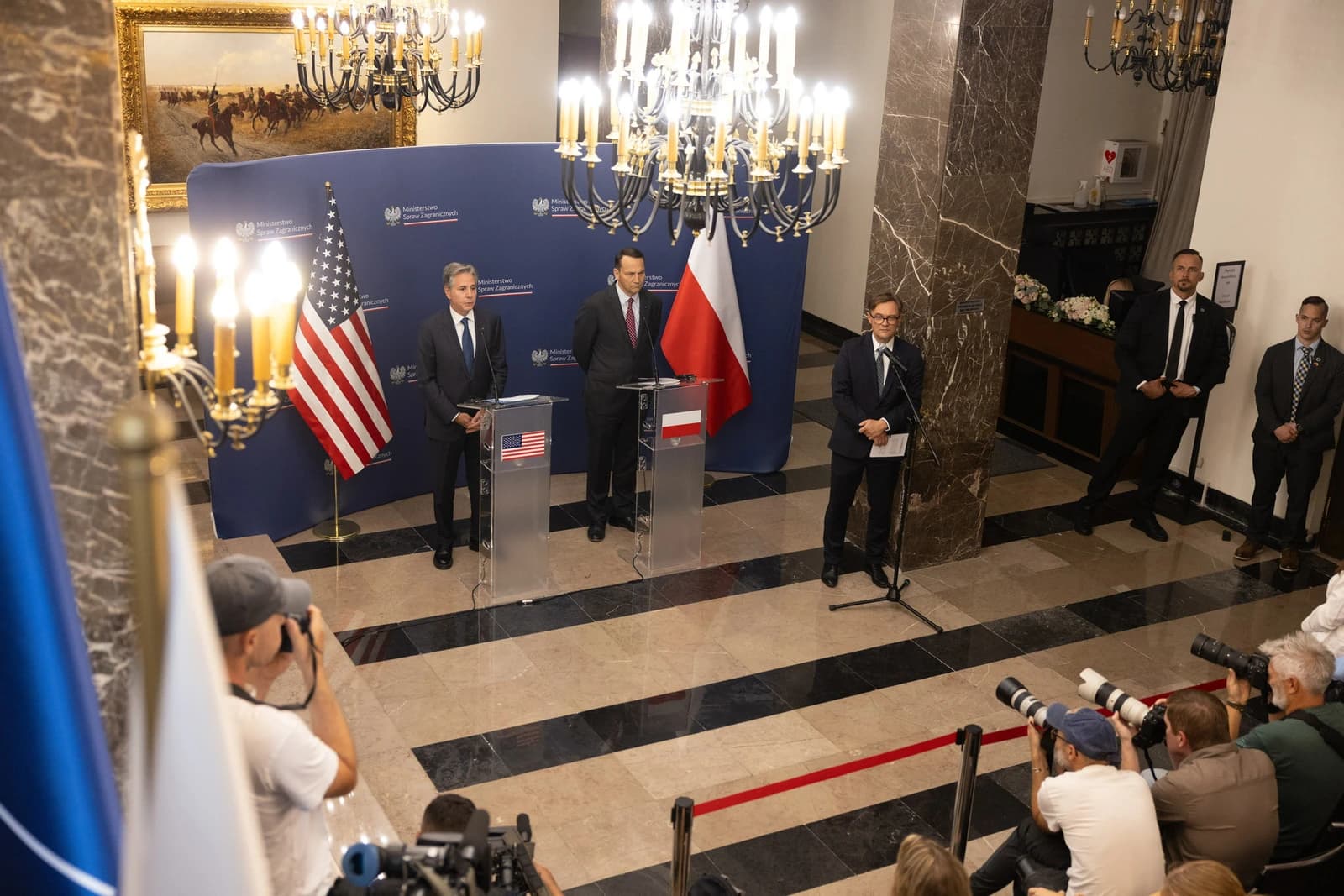
Andrey Artizov, head of Russia’s Rosarkhiv, said Finland had made a “sharp change in rhetoric” toward Moscow and claimed the two countries had previously exchanged and purchased tens of thousands of archival copies, a reminder of how deep the contacts once ran. His remarks framed Helsinki’s steps not as isolated bureaucratic decisions but as part of a broader break with pre-2022 engagement, before Finland applied to join NATO. That timing matters: it links the deterioration in relations directly to the security shock triggered by the Ukraine invasion and Europe’s rearmament cycle.
For investors, the relevance is less about the archives than about the policy trajectory. Finland’s border measures reduce the odds of a near-term thaw with Russia and reinforce a longer period of heightened defence spending, border infrastructure investment and regional security premiums. That tends to support Nordic and European security-linked contractors, while keeping pressure on any sectors exposed to normalized East-West flows, from transport to select tourism and cross-border services.
The 200-kilometer fence also shows how geopolitical risk has become physical and persistent. It is no longer just sanctions, export controls or diplomatic language; it is concrete at the frontier. That raises the cost of reversal for both governments and makes the border a lasting marker of Europe’s post-2022 order.
The likely path ahead is continued securitization rather than de-escalation. Unless there is a broad change in the Russia-Ukraine conflict, Finland looks set to keep tightening controls on its eastern border, while Moscow will keep casting those moves as evidence that Northern Europe has aligned itself against Russia.
| Entity | Gains | Losses |
|---|---|---|
| Finland | ▲Border security | ▼Cross-border openness |
| Russia | ▲Domestic narrative leverage | ▼Influence in Finland |
| Defence contractors | ▲Higher spending | ▼Peace dividend |
| Traders and travellers | ▲Clearer rules | ▼Easier mobility |