The fires around Fontainebleau are the immediate economic hit, but the bigger story is how a local environmental disaster can quickly ripple through consumer spending, tourism and regional commerce in one of France’s best-known leisure corridors.
Fontainebleau fires hurt local tourism spending
For businesses tied to the forest and the town around it, activity is now effectively at half mast. That matters because Fontainebleau is not just a scenic landmark; it is an ecosystem of restaurants, hotels, outdoor recreation, local retail and day-trip spending that depends on steady foot traffic. When access is curtailed by fire risk, the loss is not abstract — it lands straight on revenue, staffing and cash flow for small and midsize operators with little room to absorb a sharp drop in visitors.
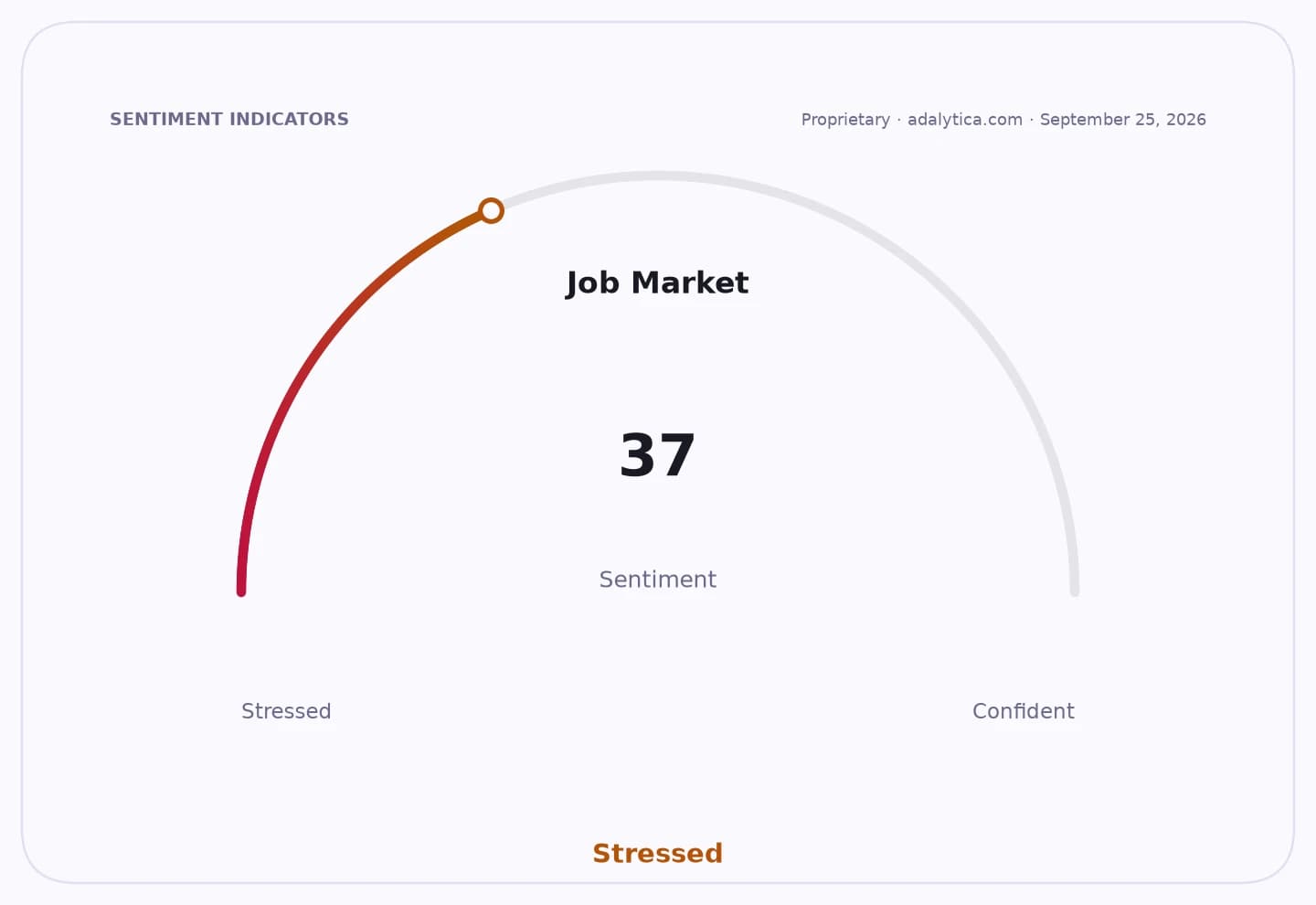
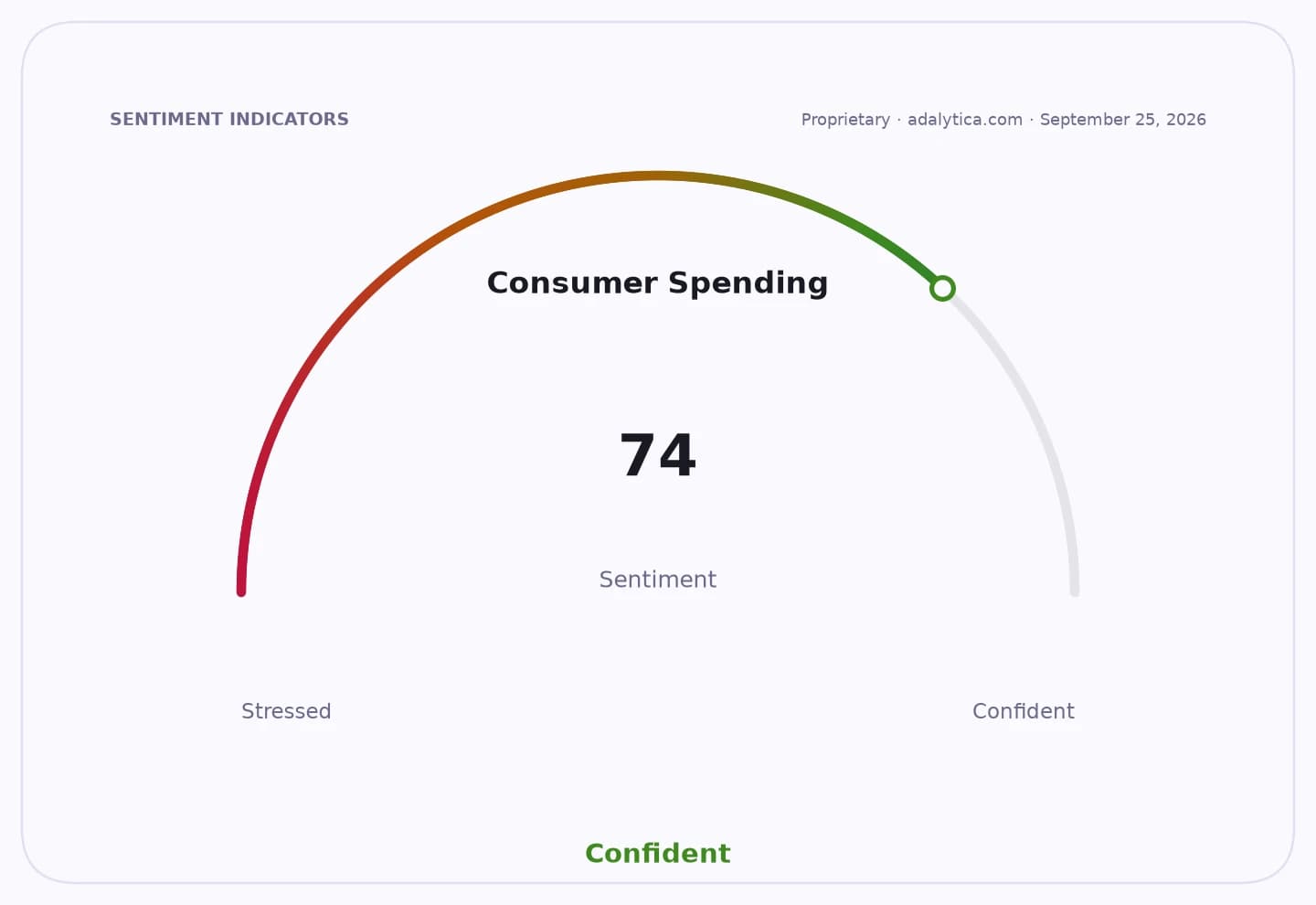
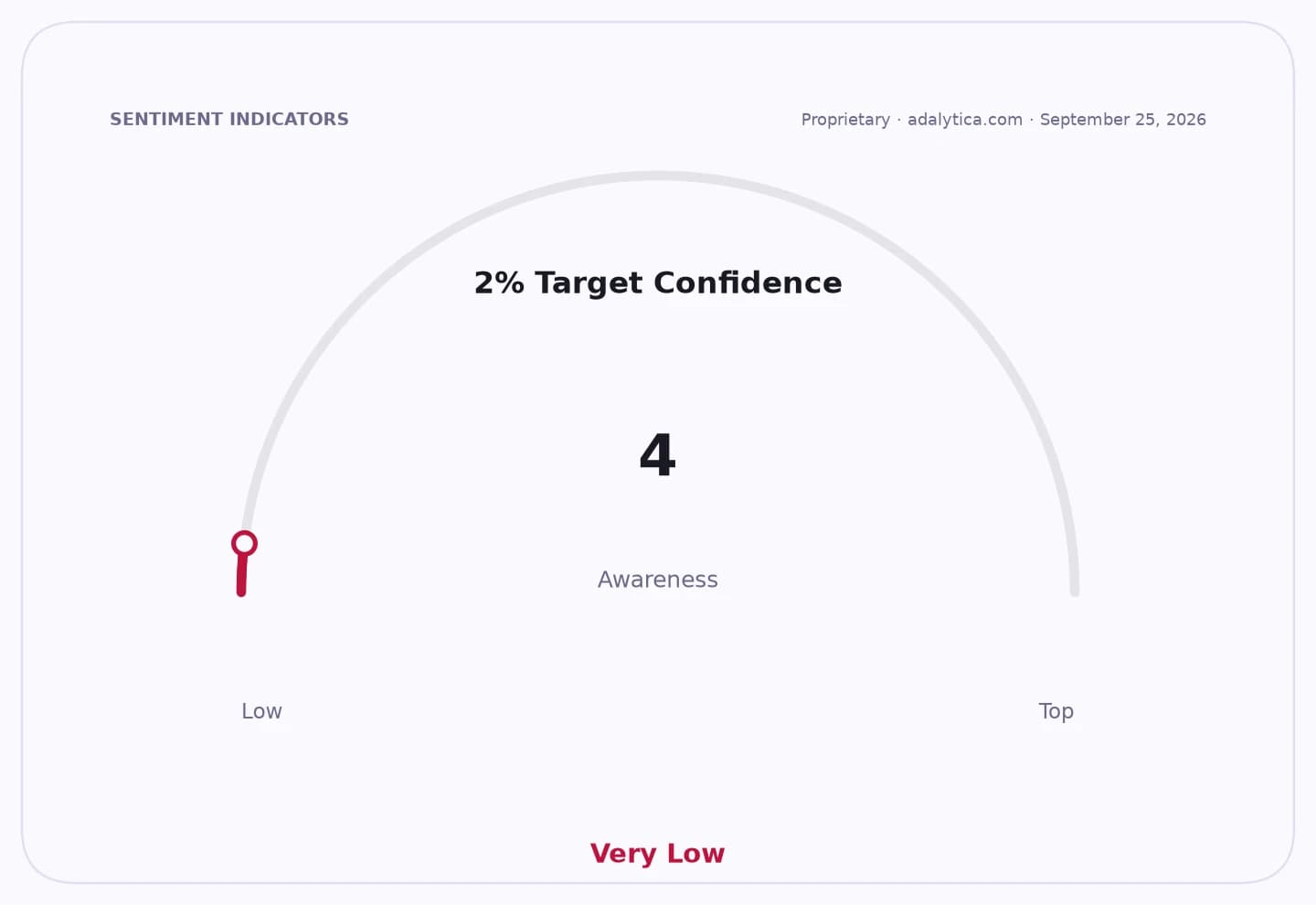
Sentiment IndicatorsⓘProprietary · adalytica.com · July 17, 2026
This is a snapshot — live sentiment, awareness and momentum for 130+ markets update continuously in the dashboard.Open AlphaPulse
The market backdrop makes the shock more meaningful. France is already operating in a higher-rate world, with 10-year government yields around 4.58%, and that keeps financing conditions tight for the very businesses most exposed to a sudden collapse in seasonal demand. A fire-driven slowdown can therefore become a liquidity problem faster than many investors expect, especially for hospitality and consumer-facing businesses that rely on peak summer traffic to generate most of their margin.
There is also a broader macro signal here. Extreme weather and forest-fire disruption are no longer just an insurance or public-safety issue; they are becoming a real operating risk for the European consumer economy. Every day of lost visitation pushes spending toward larger, better-capitalized national chains and away from local independents, while also raising the odds of higher insurance costs, repair bills and precautionary spending on fire prevention and resilience.
Investors should read this as a reminder to favor businesses that benefit from disruption rather than those that depend on uninterrupted local tourism. Large hotel groups, transport operators and consumer brands with diversified distribution can often recover lost demand later, but smaller regional operators rarely get that luxury. The market underestimates how often climate events create not just a one-time loss but a lasting shift in spending patterns.
In the near term, the key catalyst is the duration of the fire response and any restrictions on access to the Fontainebleau area. If the closure drags on, the earnings impact will widen from tourism into local retail, food service and event-driven commerce. The best-positioned investors are those leaning into resilience — insurers, infrastructure names and diversified consumer platforms — while staying cautious on locally concentrated leisure and hospitality exposure.
| Entity | Gains | Losses |
|---|---|---|
| Large hotel and travel chains | ▲Rebooked demand later | ▼Immediate local operators |
| Local restaurants and shops | ▲None | ▼Foot traffic and sales |
| Insurers and safety contractors | ▲Higher demand for coverage and prevention | ▼Claim costs and losses |
| Diversified consumer brands | ▲Share from displaced spending | ▼Fontainebleau-linked businesses |