Energy shocks tied to war, along with fertilizer and farm-input costs, are keeping food inflation elevated even as broader U.S. consumer prices show signs of cooling from last year’s peaks.
Food Inflation Stays Sticky as Energy Costs Rise

That matters because food is one of the most visible and politically sensitive parts of the inflation basket, and persistent pressure there can keep households feeling squeezed even when headline CPI eases. The latest U.S. consumer price index was at 332.568 in June, down 0.42% from May, but the forecast for July points to a 0.89% monthly rebound to 335.512, underscoring how quickly inflation momentum can reaccelerate.
Sentiment IndicatorsⓘProprietary · adalytica.com · July 22, 2026
This is a snapshot — live sentiment, awareness and momentum for 130+ markets update continuously in the dashboard.Open AlphaPulse
The producer side is still sending mixed signals. The all-commodities producer price index stood at 286.827 in June after a 1.26% monthly decline, but the July forecast calls for a 3.14% jump to 295.8433. That kind of move matters for food manufacturers, distributors and retailers because higher upstream costs can eventually filter into grocery bills if margins are not absorbed.
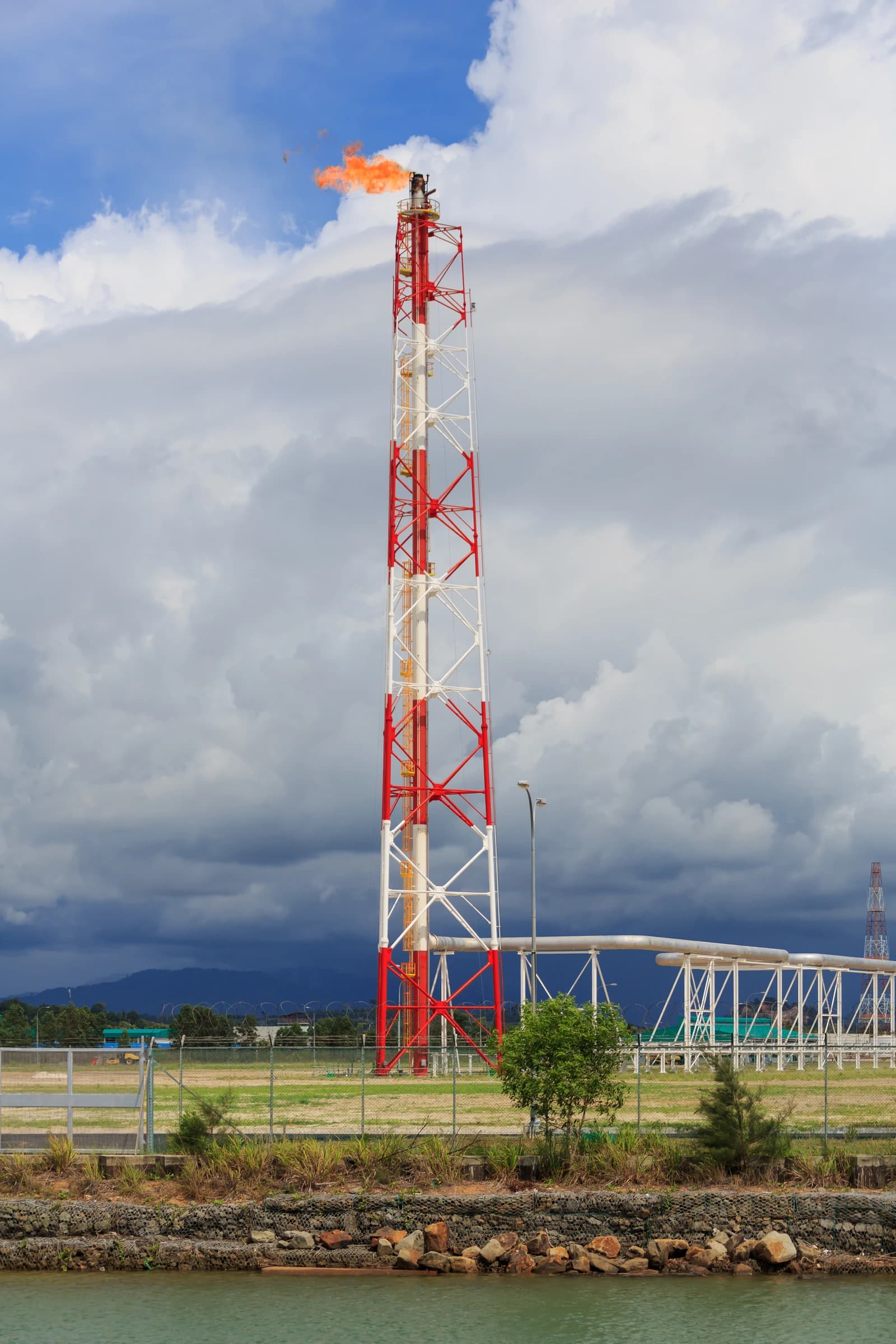
Energy remains a key transmission channel. U.S. crude briefly surged to $79.20 a barrel on July 13 after sinking to $72.45 just three days earlier, while the Energy Select Sector SPDR fund has climbed to 59.21, up from 57.94 on July 20 and far above its spring lows. For food producers and farmers, fuel and transport costs matter as much as the direct cost of grain, because every step from planting to processing to shipping gets more expensive when oil spikes.
CPIAUCSL vs PPIACO — macro contextadalytica.com
Explore this data interactively — full history, time series and cross-market comparisons.Open AlphaPulse
Agriculture stocks are reflecting that tension. The DBA agriculture ETF closed at 28.21 on July 22, above its 50-day moving average of 27.30 and 200-day average of 26.40, with RSI at 75.5, a sign the trade is overbought even as investors price in tighter food markets. The iShares Global Agriculture ETF MOO also pushed to 82.89, well above its 50-day average of 80.01 and 200-day of 78.2, as the market continues to favor exposure to farm inputs and commodity pricing power.
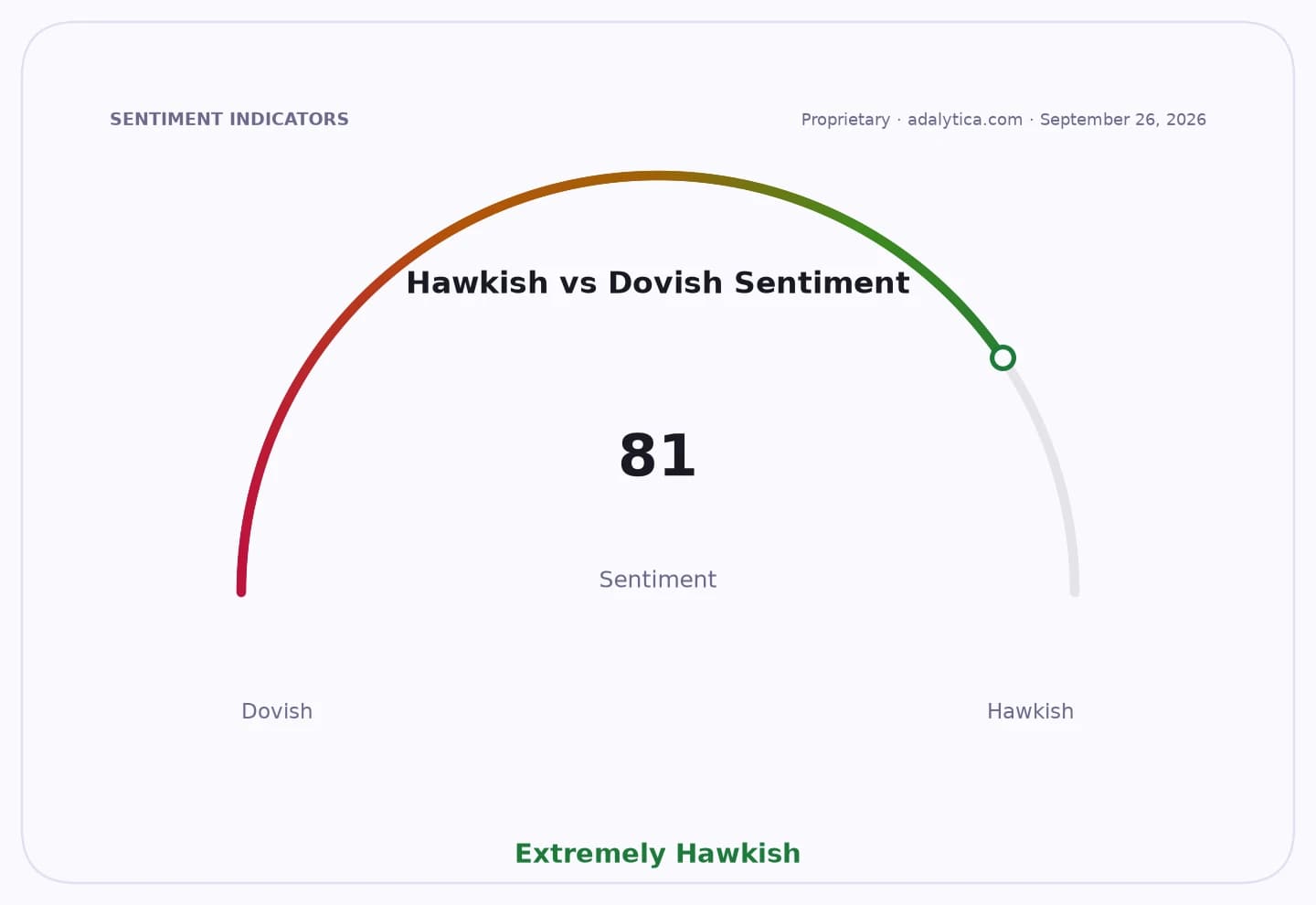
The inflation narrative is also showing up in expectations. Adalytica’s confidence gauge for the Fed’s 2% inflation target sits at just 4, labeled “Extreme Fear,” while its long-term inflation expectations reading is 61 and the 5-year breakeven sentiment is 68. Investors are still treating inflation as a live risk, not a solved problem, especially if war-related energy disruptions or fertilizer shortages hit crops ahead of the next growing season.
For investors, the risk is not just higher food prices but a slower path for the Federal Reserve to declare victory over inflation. If energy and fertilizer costs keep filtering through food supply chains, consumer staples, restaurant margins and emerging-market importers could all come under pressure, while commodities and agriculture-linked equities may stay bid.
The next catalysts are the coming U.S. CPI print, July producer-price data and any escalation in energy or trade disruptions that could feed back into food and farm-input costs.
| Entity | Gains | Losses |
|---|---|---|
| Agriculture ETFs (DBA, MOO) | ▲Higher pricing power | ▼Overbought pullback risk |
| Energy producers (XLE) | ▲Oil-linked inflation tailwind | ▼Demand destruction risk |
| Food processors/retailers | ▲None | ▼Input-cost pressure |
| Consumers/importers | ▲Short-term relief if prices cool | ▼Higher grocery bills |