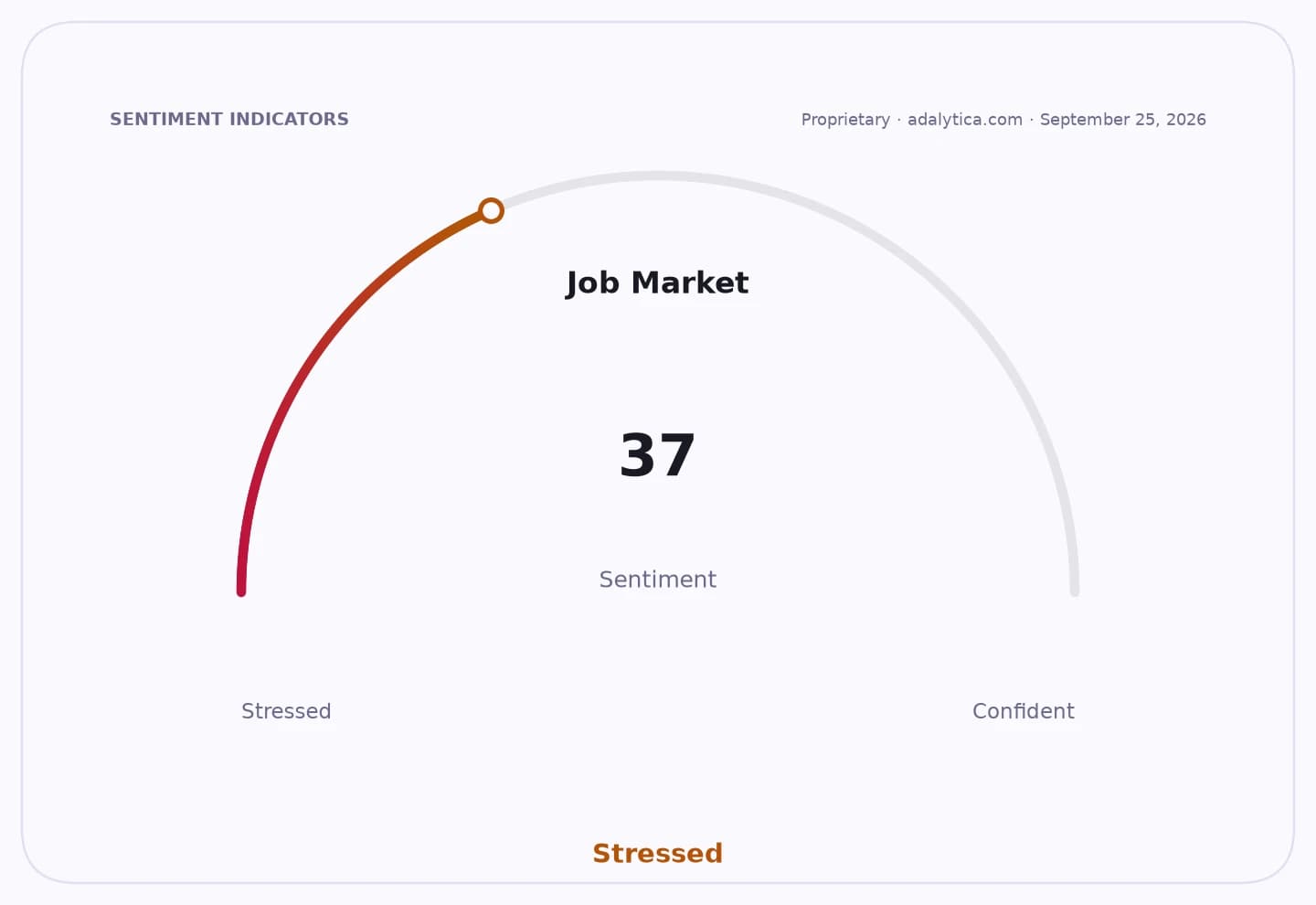
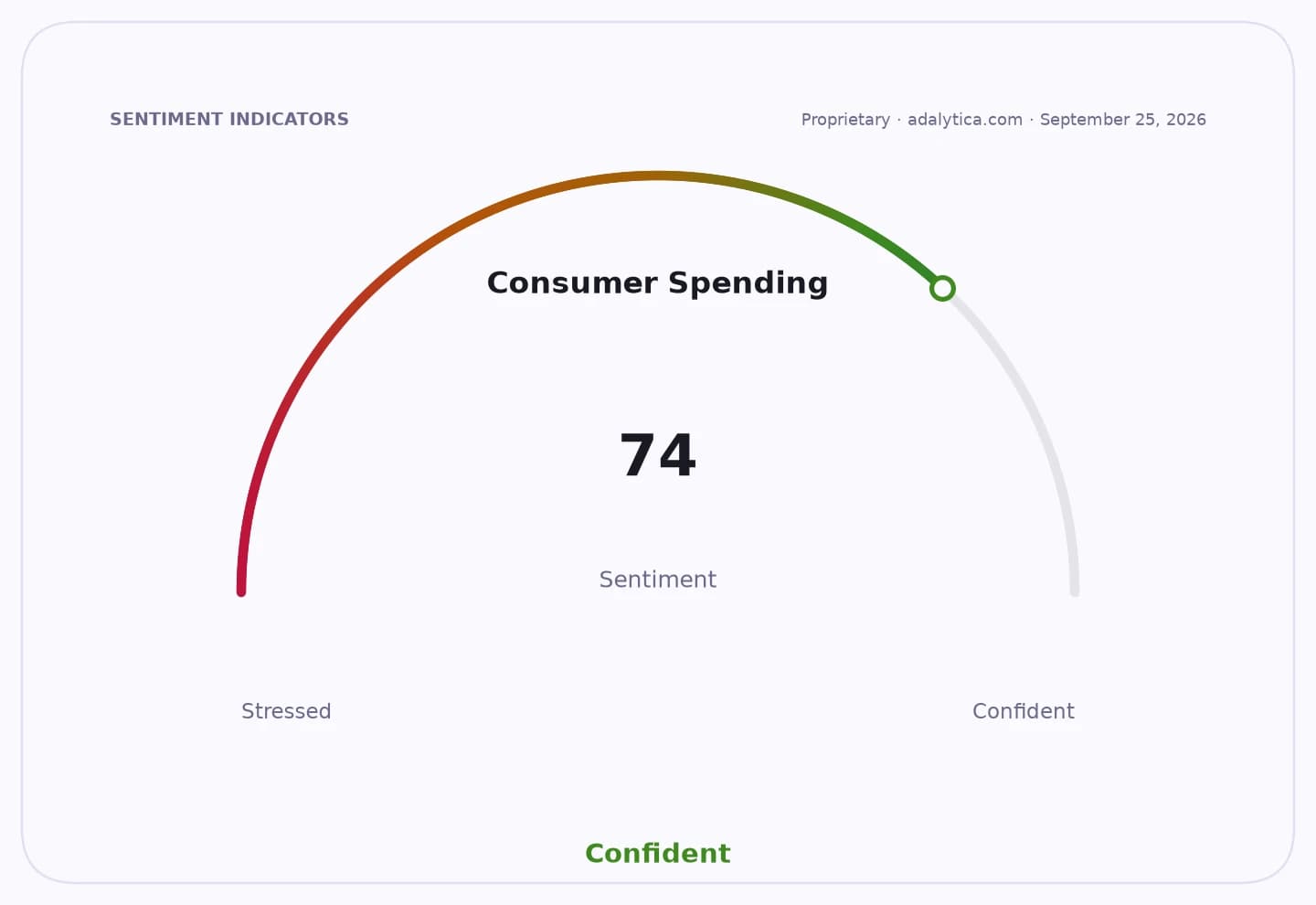
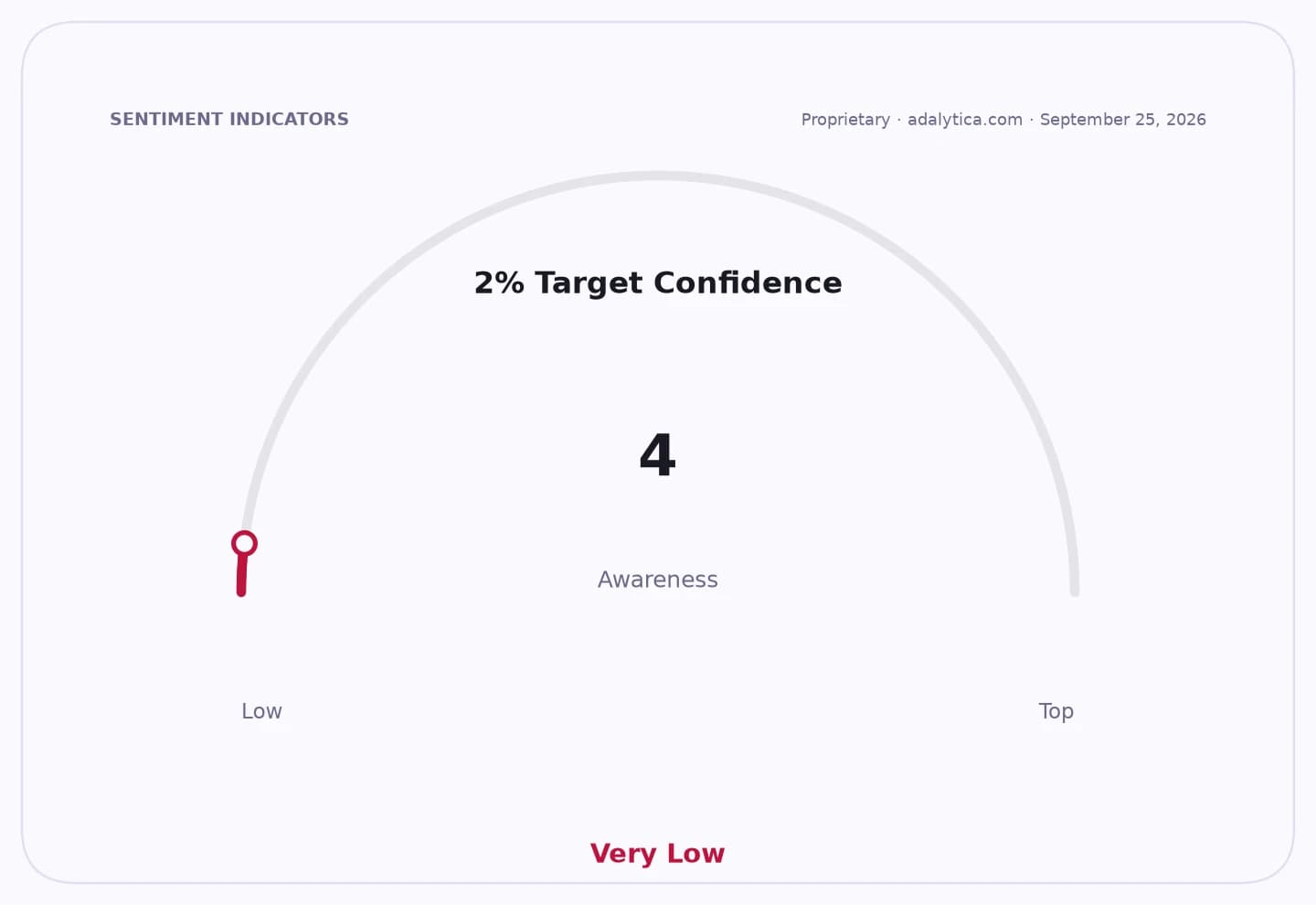
Eggs and a number of vegetables have fallen in price over the week in Tatarstan, but the bigger investment story is not a one-off dip in groceries — it is the uneven nature of food inflation at a time when broader price pressures are still refusing to break cleanly lower.
Food Inflation Stays Sticky Despite Brief Price Dips
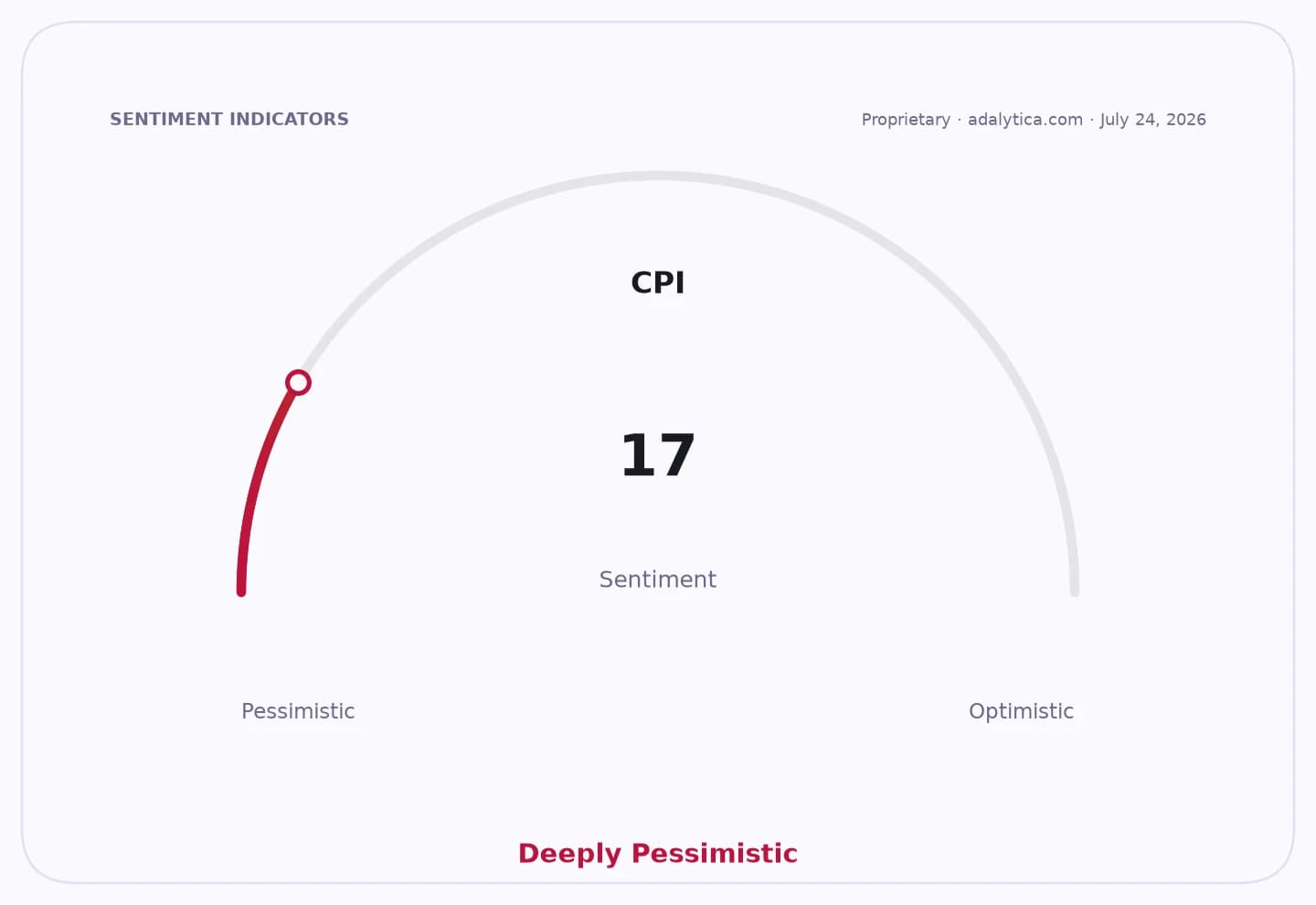
That matters because food is where consumers feel inflation first and where policy makers often struggle to get ahead of it. Even as some fresh items cool, the underlying cost structure for the food system remains elevated, with energy and fertilizer still the key forces shaping farm economics, transport costs and shelf prices. The result is a market that can look soft in one week and stubbornly hot in the next, a setup that keeps pressure on household spending and complicates expectations for central banks and retailers alike.
The latest U.S. inflation data point to the same split. Overall consumer prices were forecast to rise 0.9% in July after a 0.2% decline in June, while core inflation was expected to climb 0.3%. Producer prices were also seen rising 3.1% year on year, underscoring that upstream cost pressure is not gone. That combination is exactly why brief price declines in staples such as eggs or vegetables should not be mistaken for a durable disinflation trend.
For investors, the message is more actionable: this is a stock-picker’s market inside food. Companies with pricing power, scale and exposure to managed supply can keep compounding even when spot prices wobble. That is why names such as Cal-Maine Foods are interesting on any renewed volatility in eggs, while branded food players like Campbell Soup and Tyson Foods face a more mixed backdrop, with margin support from pricing offset by volume pressure and shifting commodity costs.
CPIAUCSL vs CPILFESL — macro contextadalytica.com
Explore this data interactively — full history, time series and cross-market comparisons.Open AlphaPulse
Cal-Maine is the clearest direct beneficiary when egg markets stay tight, but its business is also highly cyclical, and its own filings warn that shell egg prices can fall quickly when supply rises or demand eases. Tyson, meanwhile, sits in a broader protein complex where feed costs, consumer demand and disease risk all move margins. Campbell is less exposed to agricultural spot swings, but it still lives in a world where grocery inflation and consumer trade-down determine how much pricing it can push through.
The more important trade, though, may be in the second-order winners: cold storage, packaging, transport and food distribution businesses that gain from volume stability even when prices fluctuate. If food inflation remains sticky while select items dip, capital will keep rotating toward operators that can hedge volatility rather than those that simply ride it.
My thesis is straightforward: the market underestimates how persistent food-cost volatility can be, and that creates asymmetric opportunity in the operators that control supply, pricing and logistics. Short-term dips in eggs or vegetables are not the end of the inflation story; they are a reminder that the next leg of the trade will go to the businesses built for churn, not calm.
| Entity | Gains | Losses |
|---|---|---|
| Cal-Maine Foods | ▲egg-price rebound | ▼spot-price weakness |
| Tyson Foods | ▲feed-cost relief | ▼protein margin compression |
| Campbell Soup | ▲defensive pricing power | ▼consumer trade-down |
| Households / shoppers | ▲lower grocery bills | ▼sticker shock from staples |