Ford is moving ahead with a new compact SUV aimed squarely at Toyota’s RAV4, a sign the company is trying to defend share in the most important and profit-rich segment of the US auto market even as investors keep a close eye on margins, tariffs and heavy electrification spending.
Ford plans compact SUV to rival Toyota RAV4
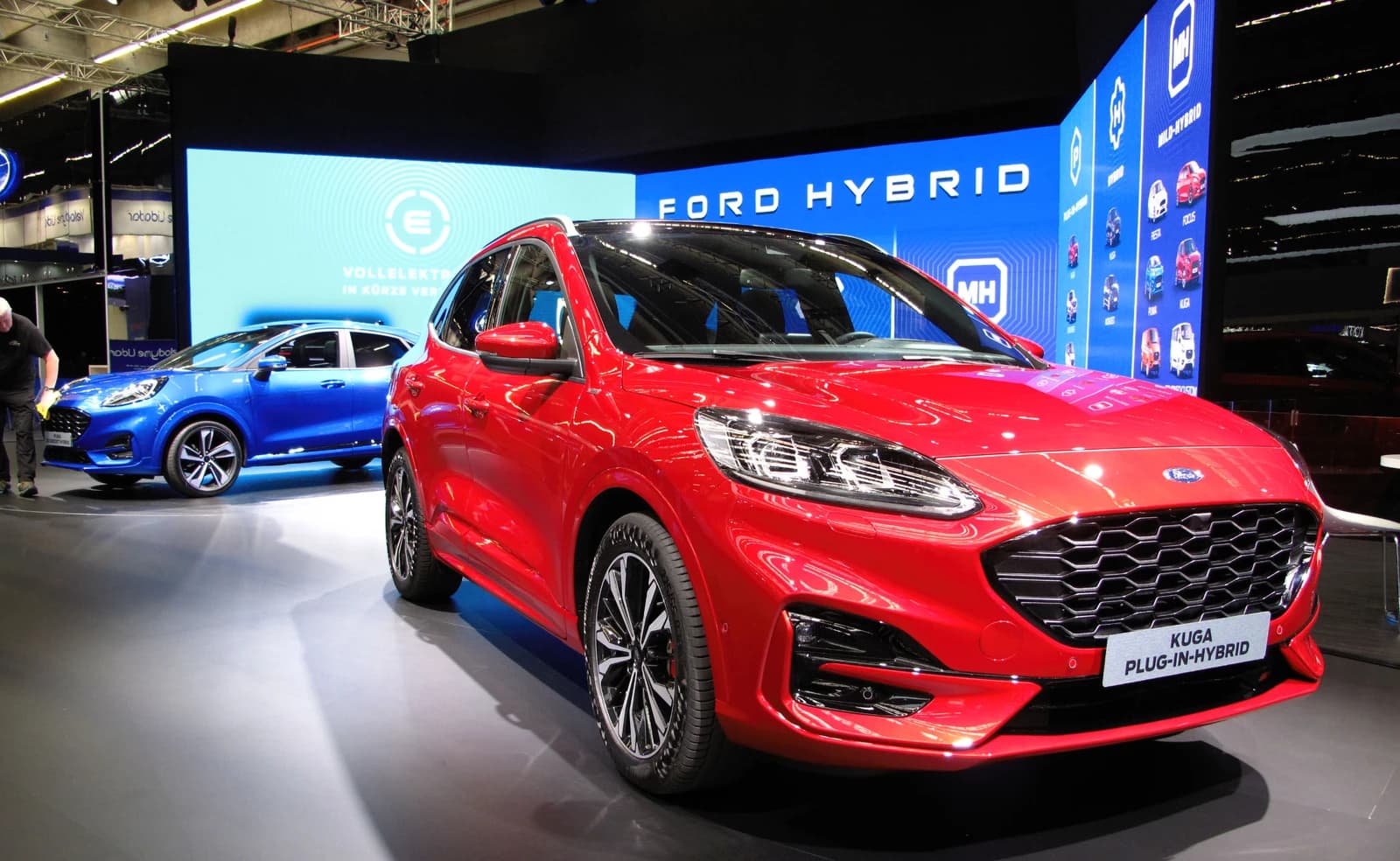
The strategic significance is hard to miss: compact crossovers are where volume, pricing power and brand loyalty intersect, and Ford has been under pressure to refresh its lineup while competitors have leaned on hybrids and tech-rich trims to keep showroom traffic strong. A direct RAV4 rival would give Ford another shot at one of the industry’s biggest pools of buyers, many of whom value fuel efficiency, practicality and lower ownership costs over outright performance.
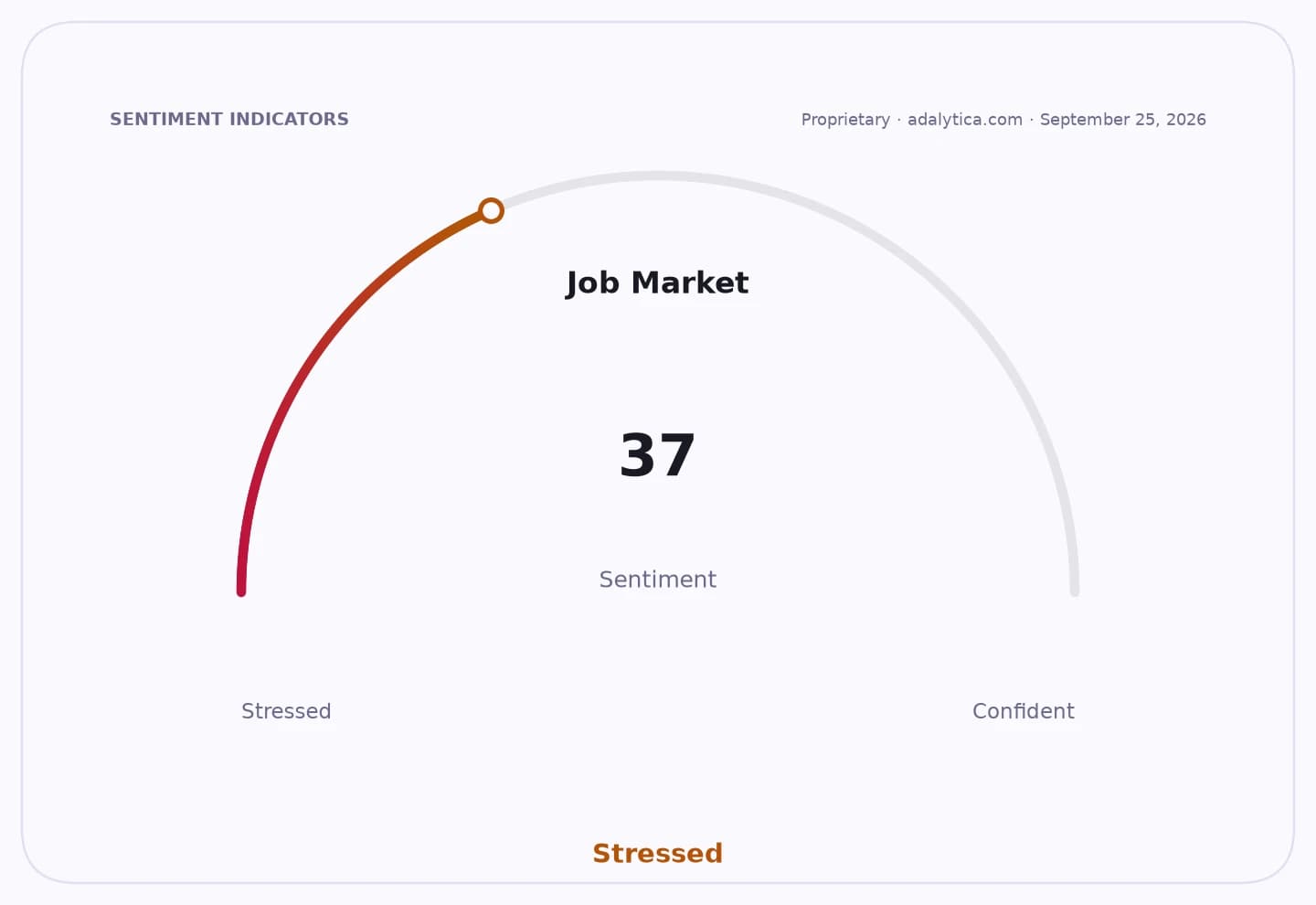
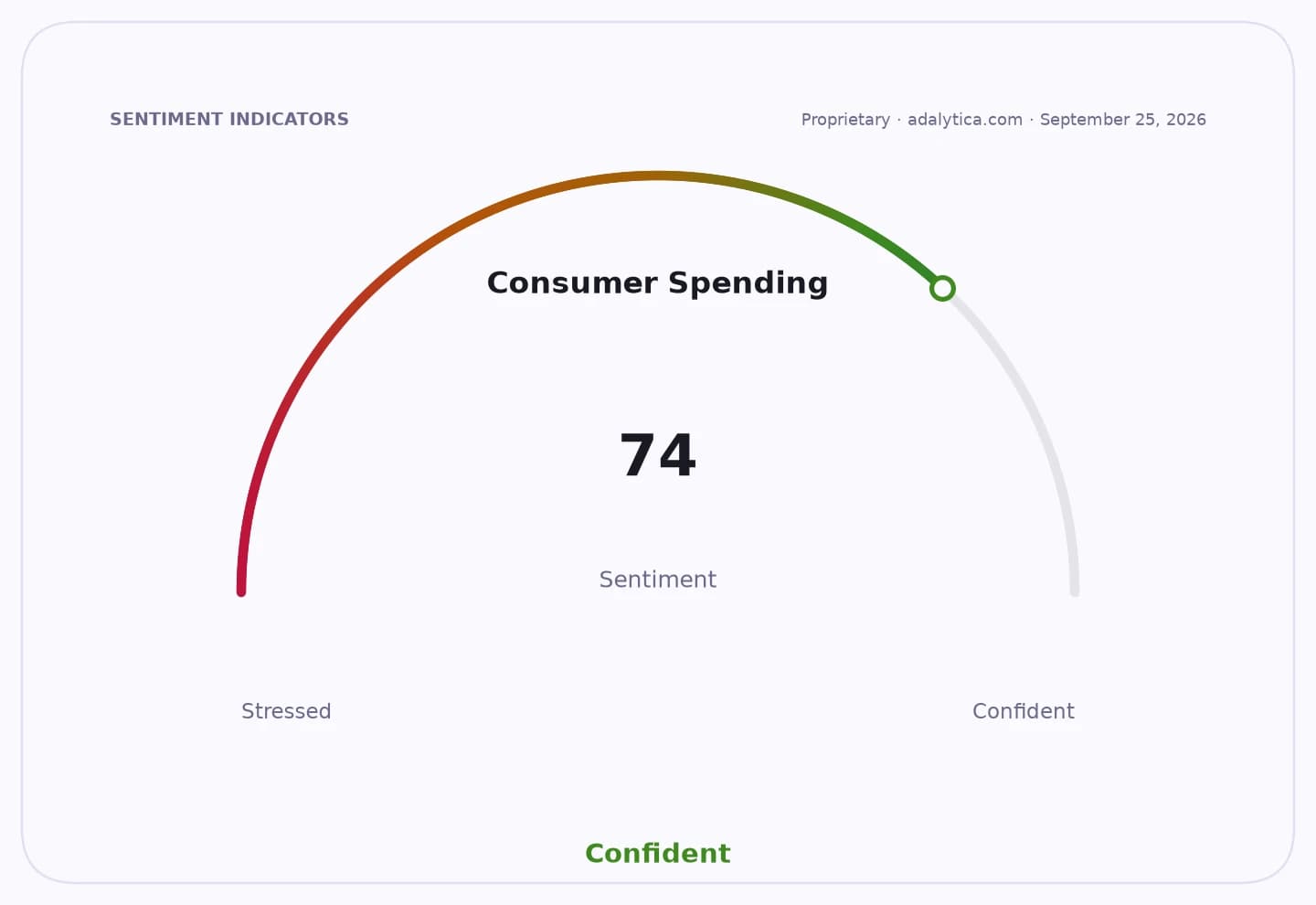
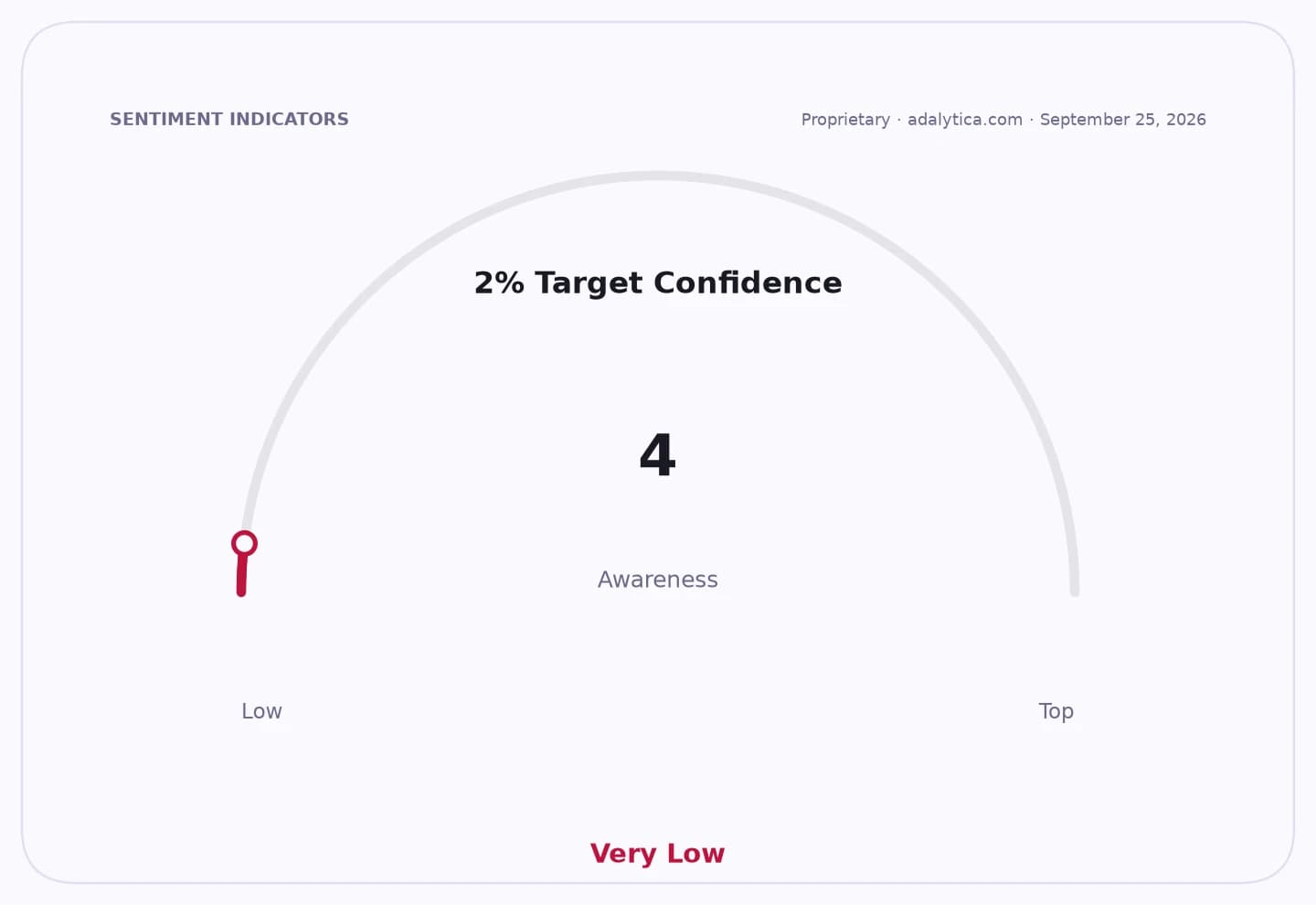
Sentiment IndicatorsⓘProprietary · adalytica.com · August 11, 2026
This is a snapshot — live sentiment, awareness and momentum for 130+ markets update continuously in the dashboard.Open AlphaPulse
That matters economically because the SUV market continues to absorb a growing share of household vehicle spending, helping automakers offset stubborn input costs and a still-elevated rate backdrop. With the US unemployment rate at 4.1% in the latest data and the 10-year Treasury yield around 4.65%, consumers remain employed but financing remains expensive enough to make monthly payments a central buying decision. In that environment, vehicles that can justify a higher sticker price with strong gas mileage, hybrid powertrains and safety technology are better positioned to win.
For Ford, the move is also a reminder that product cadence now carries as much weight as cost cuts. Shares in the company have been volatile, with the stock recently trading around $14 after an earlier rally toward $15.28 gave way to a pullback. The 50-day moving average is above the current price, while the RSI has cooled from overbought levels, suggesting investors are waiting for clearer evidence that new models can convert into sustainable earnings rather than short-lived enthusiasm. Toyota’s US-listed shares have held up better, with the stock near $189, reflecting the market’s confidence in its breadth of hybrids and its dominance in the family SUV lane.
The competitive backdrop is getting tougher, not easier. The latest auto launches show buyers are still rewarding SUVs that combine styling, cabin tech and electrified drivetrains, while rivals across Asia and Europe are pushing deeper into hybrid and battery-electric territory. That puts pressure on Ford to prove it can match Toyota not just on price and size, but on reliability perception, dealer execution and powertrain choice.
Investors will now look for three things: whether Ford can bring the vehicle to market quickly enough to catch the current SUV cycle; whether it can protect margins in a segment where incentives can creep higher if supply outpaces demand; and whether the new model helps narrow the gap with Toyota’s hybrid-led portfolio. If Ford gets the formula right, it could strengthen its US volume mix and improve pricing resilience. If it misses, the company risks adding another crowded entry to a segment where consumers already have plenty of credible alternatives.
| Entity | Gains | Losses |
|---|---|---|
| Ford | ▲New volume opportunity | ▼Development and launch risk |
| Toyota | ▲Competitive pressure on RAV4 | ▼Possible share loss |
| SUV buyers | ▲More choice and features | ▼Ongoing high financing costs |
| Ford shareholders | ▲Potential mix improvement | ▼Margin execution risk |