Ford’s latest Everest and Ranger variants with V6 diesel powertrains may not grab headlines like an EV launch, but they matter because they point to where the company can still make dependable money: in rugged, high-demand trucks and SUVs with stronger margins and loyal buyers.
Ford Diesel Variants Support Margins
That’s important for investors because Ford has spent years trying to balance the capital intensity of electrification with businesses that actually generate cash. A fresh diesel-focused refresh in two of its most globally important nameplates suggests Ford is leaning into what customers still want, especially in markets where towing, durability and range matter more than battery bragging rights.
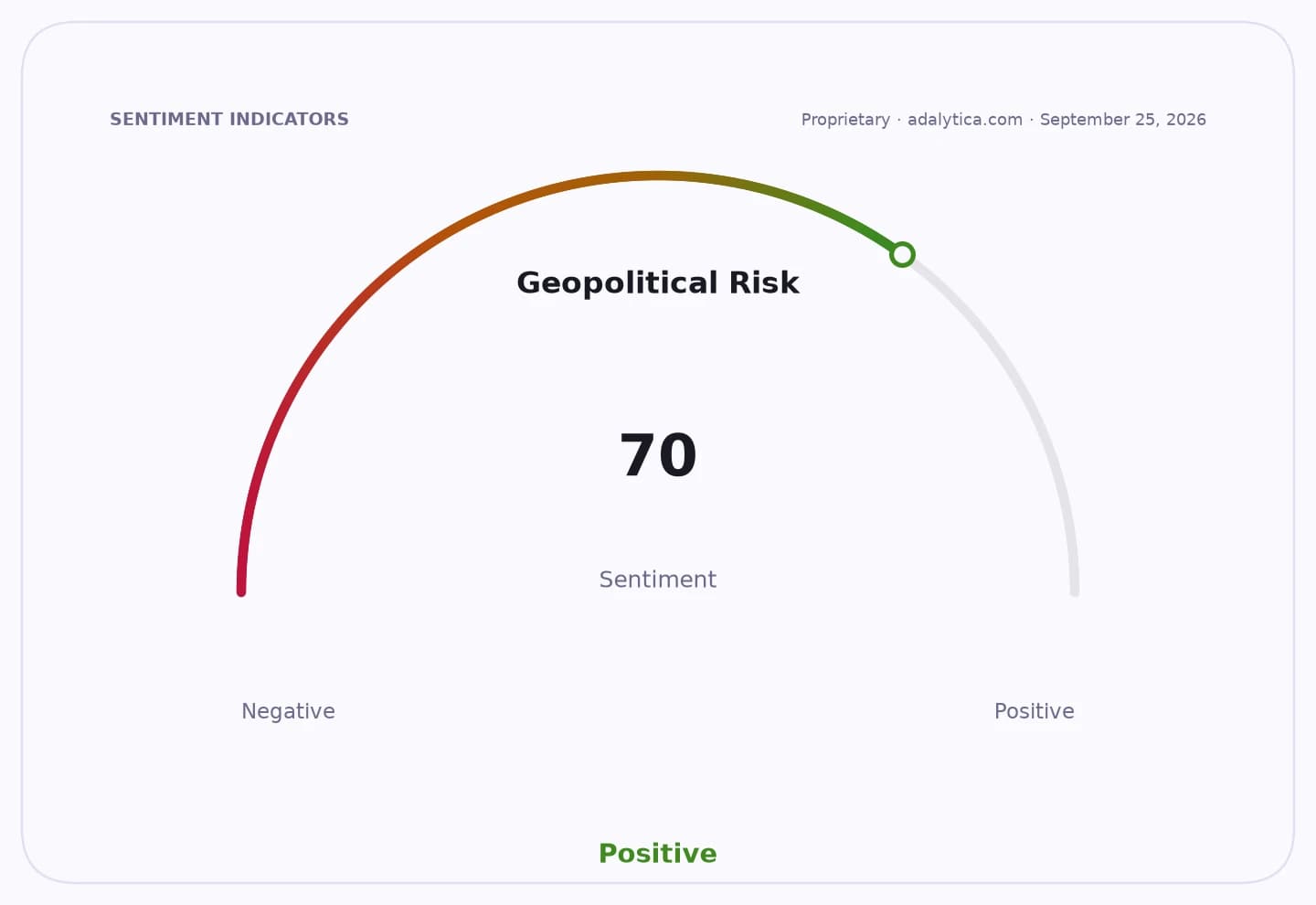
Sentiment IndicatorsⓘProprietary · adalytica.com · July 15, 2026
This is a snapshot — live sentiment, awareness and momentum for 130+ markets update continuously in the dashboard.Open AlphaPulse
The stock has also been telling a story of its own. Ford shares have held above both the 50-day and 200-day moving averages, a sign the market has been willing to give the automaker some credit for execution, even as recent trading has cooled from earlier spikes. With RSI readings now much closer to neutral than overbought territory, the market looks less euphoric and more like it is waiting for proof that product momentum can translate into earnings power.
That is where the Everest and Ranger matter. Ford does not need every launch to be a blockbuster. It needs a steady cadence of vehicles that defend share, support pricing and keep factories busy. In an industry where scale and platform reuse are everything, variants built around proven architectures can be more valuable than flashy one-offs. If buyers in Australia, Southeast Asia and other diesel-friendly markets respond well, Ford gets another lever to improve mix without betting the farm on one technology path.
The broader backdrop also favors that kind of pragmatism. The auto industry is still wrestling with supply-chain risk, tariff uncertainty, recall costs and uneven EV demand. Ford’s recent semiconductor supply deal with Micron underscores how much future production still depends on reliable component access, while its push toward more profitable hybrid and truck offerings shows management is trying to protect returns rather than chase volume at any cost.
For long-term investors, the real question is not whether diesel is the future. It is whether Ford can keep using the products buyers actually prefer to fund the transition to its next chapter. If these Everest and Ranger variants help preserve margins and reinforce Ford’s truck franchise, they fit squarely into a patient investing case built on cash flow, not excitement.
Ford is worth watching, but the smarter move for investors is to think in years, not weeks, and judge these launches by what they do for earnings resilience and free cash flow.
| Entity | Gains | Losses |
|---|---|---|
| Ford | ▲Higher-margin truck/SUV mix | ▼EV-only narrative |
| Buyers in diesel markets | ▲More choice and towing range | ▼Higher fuel dependence |
| Rivals without diesel depth | ▲— | ▼Share in rugged utility segments |
| Long-term shareholders | ▲Cash-flow support | ▼Short-term launch hype |