Ford and General Motors are turning “Made in America” into a capital-allocation battle, and the stakes are bigger than branding. The real prize is not just patriotic advertising but who can lock in the next decade of U.S. vehicle demand, preserve margins under tariff pressure and win over investors looking for domestic supply chains that are more resilient than globalized rivals.
Ford and GM Fight for U.S. Auto Demand

The timing matters because the U.S. industrial backdrop is still supportive: industrial production is forecast to rise to 102.94 in July from 102.64 in June, while unemployment is expected to edge down to 4.09% in August from 4.1% in July. That combination points to a still-firm labor market and an economy that can absorb continued auto investment. Housing starts, meanwhile, are forecast to cool to 1,333.3 in July from 1,427 in June, a reminder that big-ticket goods demand is not broad-based — which makes autos, and the companies tied to them, more important to the consumer cycle.
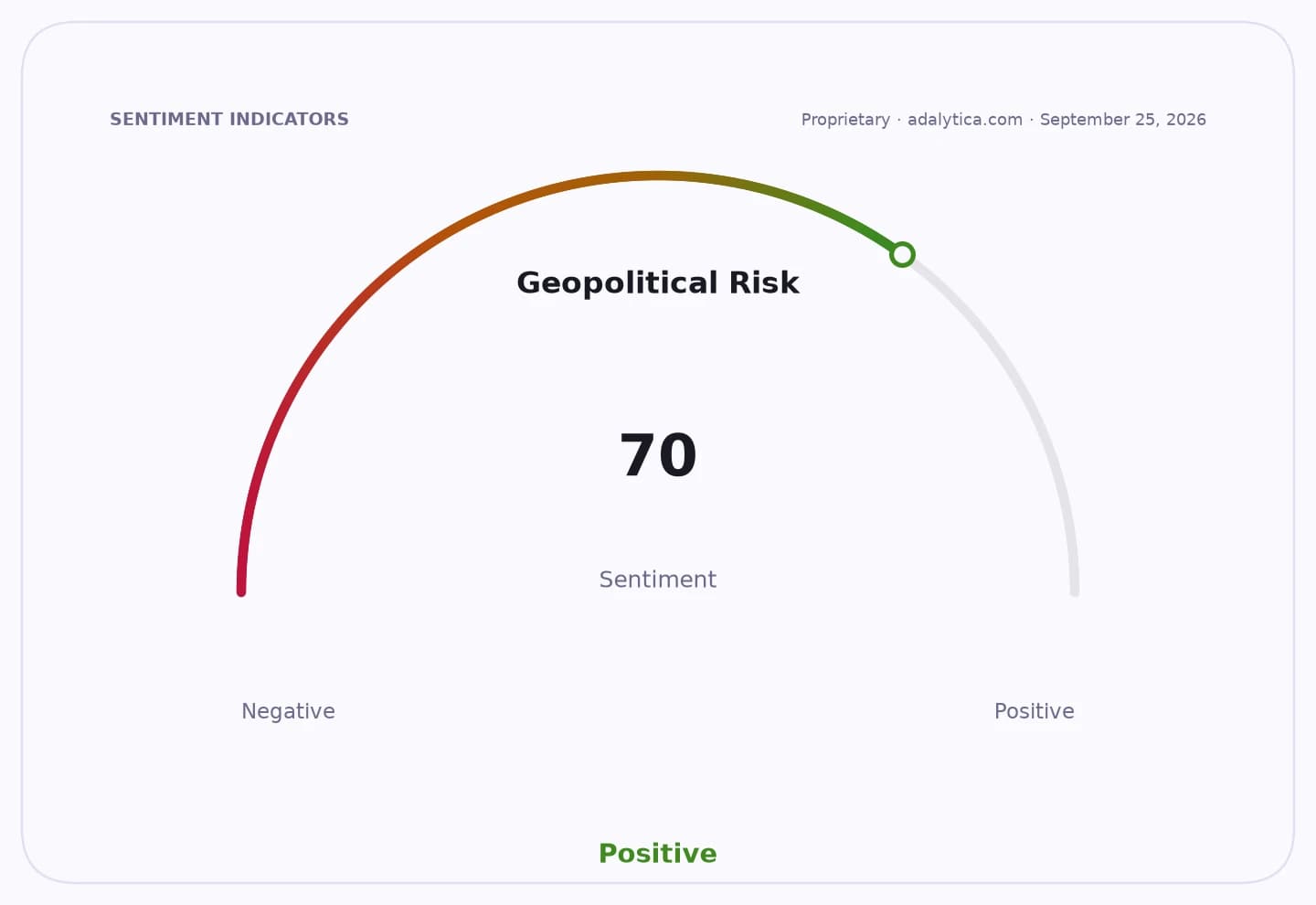
Sentiment IndicatorsⓘProprietary · adalytica.com · August 15, 2026
This is a snapshot — live sentiment, awareness and momentum for 130+ markets update continuously in the dashboard.Open AlphaPulse

For Ford and GM, the competition is about more than slogans. Investors are rewarding firms that can show domestic content, U.S. assembly and supply-chain control, because those attributes can cushion earnings if trade policy hardens, import costs rise or political scrutiny intensifies. That is especially relevant in an industry where capex is already being pushed toward electrification, battery sourcing and software, leaving less room for error on margin discipline. The market underestimates how much a “most American” profile can become a pricing advantage, particularly if buyers and fleet customers increasingly view domestic manufacturing as a reliability and national-security issue.
The shares reflect that tug of war. Ford has been volatile, with the stock recently trading near $14.37 after a sharp swing from $17.25 in late May, while its 50-day moving average sits around $14.09 and the 200-day average near $13.12. That tells you the market is still debating whether Ford’s domestic story is a durable re-rating or just another short-lived burst of enthusiasm. GM, by contrast, has held up far better, finishing most recently around $86.77 with its 50-day moving average near $81.84 and 200-day average near $78.41. GM’s relative strength suggests investors are willing to pay for scale and execution, but it also means the bar is higher for further upside if the “American carmaker” narrative becomes a source of incremental demand.
What makes this fight interesting is that it sits at the intersection of politics, supply chains and valuation. In a world of tariffs, reshoring and industrial policy, the carmakers with the clearest U.S. manufacturing footprint can look less like cyclical automakers and more like toll roads on North American mobility. That is why the storyline matters for suppliers, unions, dealers and investors alike: if Ford or GM can convince the market it is the truest domestic champion, it may win not only customer loyalty but also policy goodwill and a lower perceived risk premium.
The next catalyst will be whether either company can translate the American-made message into hard numbers — higher U.S. content, better pricing power and steadier margins. My view is that the market should be looking beyond the headline rivalry and toward the stocks that stand to benefit from a prolonged reshoring cycle, especially industrial suppliers, battery and power electronics names, and companies that own domestic manufacturing capacity. The winner of this contest is not just the more patriotic automaker; it is the business with the strongest U.S. production footprint when trade politics and capex cycles turn hostile.
| Entity | Gains | Losses |
|---|---|---|
| Ford | ▲Patriot-brand positioning | ▼If U.S. footprint underwhelms |
| GM | ▲Scale and domestic credibility | ▼If valuation gets ahead of execution |
| U.S. suppliers | ▲More reshoring demand | ▼Lower import-driven volume |
| Import-heavy rivals | ▲— | ▼Tariff and policy risk |