Ford’s Transit Custom van is emerging as one of the clearest beneficiaries of tougher vehicle-emissions rules, as regulators push commercial fleets toward cleaner powertrains and investors increasingly price the winners and losers of that transition. For Ford, the stakes are bigger than one model line: van demand is a high-margin, sticky business tied to fleet replacement cycles, and compliance-friendly products can help protect market share while the company absorbs the cost of electrification elsewhere.
Ford Transit Custom gains on emissions rules, shares at $14.72
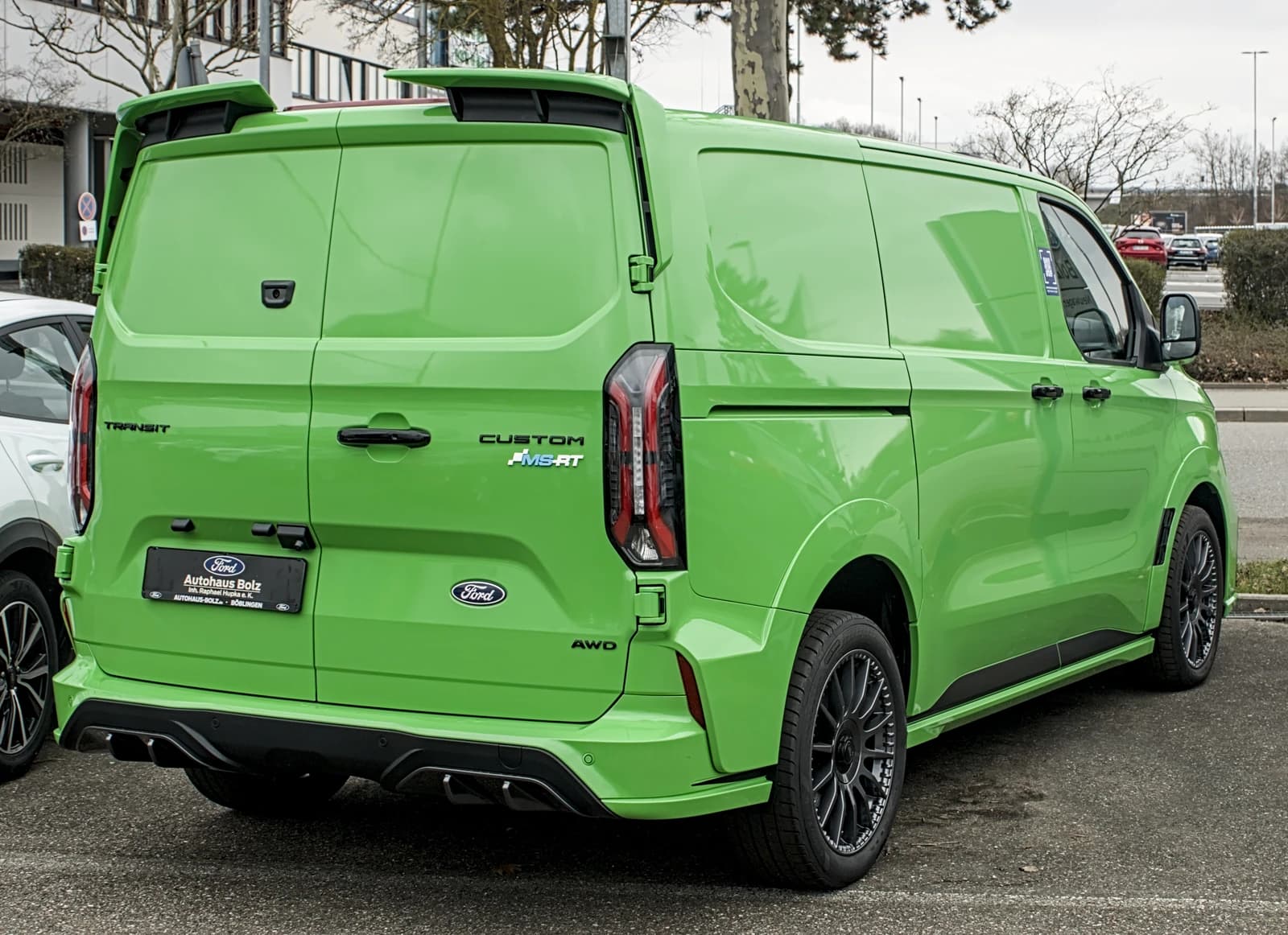
The policy backdrop is what makes the product matter economically. Van fleets are among the hardest segments to decarbonize because operators need range, payload and uptime, yet they are also central to urban air-quality policy and low-emission-zone enforcement. That combination is forcing buyers to reconsider diesel-heavy fleets and is creating a faster adoption lane for battery-electric and hybrid commercial vans than many passenger-car markets. In that setting, a well-positioned platform such as the Transit Custom is not just a vehicle launch; it is Ford’s bid to keep a core commercial franchise relevant as regulation reshapes procurement decisions.

The market has started to reflect that shift. Ford shares have climbed about 11% over the past month to $14.72, with the stock trading above both its 50-day and 200-day moving averages and RSI readings in the mid-60s, suggesting momentum remains constructive even after recent volatility. General Motors has also rallied, but Stellantis has remained under pressure, underscoring how investors are rewarding manufacturers with stronger North American and commercial franchises while punishing those exposed to slower Europe recovery and weaker pricing power. That divergence matters because van and fleet businesses tend to be less cyclical than consumer passenger cars and can support earnings visibility when retail demand softens.
There is also a capital-allocation angle. Emissions compliance is increasingly a cost of doing business, but manufacturers that can spread development across global platforms and leverage volume in commercial vehicles may turn regulation into a competitive moat. For Ford, the Transit family has long been a pillar of its commercial business; if the new Custom variant helps the company defend share against rivals in Europe and other regulated markets, it could cushion margins at a time when electrification spending remains heavy. The upside case is that regulatory pressure accelerates fleet renewals and lifts mix toward premium, technology-rich vans. The bear case is that compliance costs, battery economics and residual-value risk compress returns before adoption scales enough.
Investors should watch whether the Transit Custom gains traction with fleet buyers as tighter emissions standards move from policy to purchasing behavior. If adoption strengthens, Ford’s commercial-vehicle earnings could become more resilient even as the broader auto sector wrestles with tariffs, EV investment demands and uneven consumer demand. If it does not, the market may continue to treat emissions-driven product rollouts as necessary but insufficient to offset structural margin pressure.
| Entity | Gains | Losses |
|---|---|---|
| Ford | ▲Fleet share and compliance edge | ▼EV investment burden |
| Commercial fleets | ▲Lower emissions risk | ▼Higher vehicle costs |
| Rivals | ▲Benchmark pressure | ▼Share in regulated markets |
| Regulators / cities | ▲Cleaner air targets | ▼Slower fleet turnover |




