Fortescue has put the first commercial iron ore cargo on a bulk carrier running on green ammonia, a milestone that matters less as a one-off voyage than as a proof point for whether the world’s dirtiest shipping routes can be decarbonised at scale.
Fortescue ships iron ore on green ammonia vessel
The shipment from Port Hedland on a vessel fuelled by ammonia supplied from China gives Fortescue a visible win in its push to cut emissions across its supply chain, while offering shipping and commodity markets an early test of whether alternative marine fuels can move beyond demonstrations. For investors, the significance is twofold: if green ammonia can work economically on long-haul bulk trade, it opens a path for miners, shipowners and fuel producers to lower carbon intensity before tougher emissions rules bite; if it cannot, the industry risks being left with a costly compliance option that never scales.
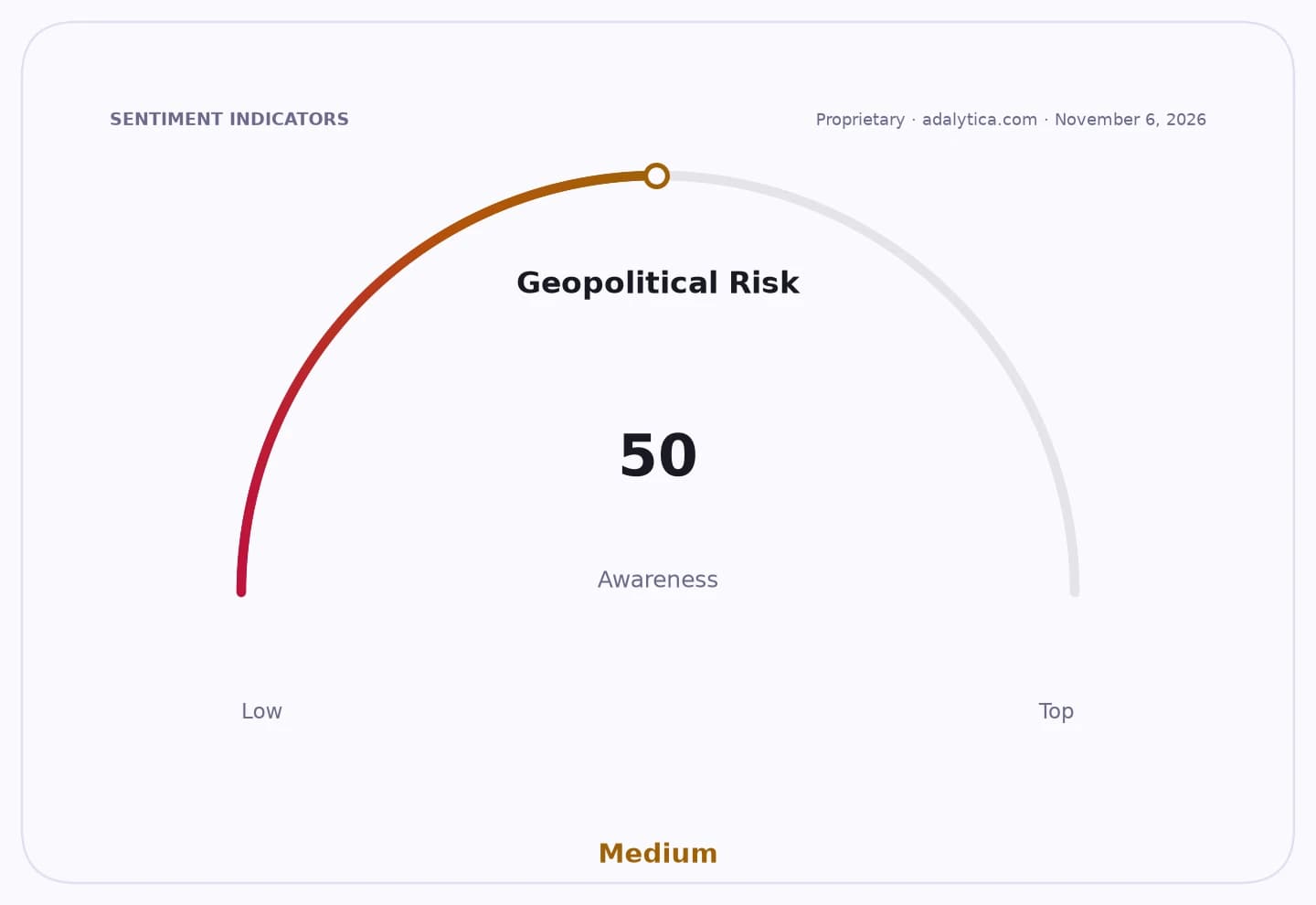
Sentiment Indicators
Fortescue, founded by billionaire Andrew Forrest, has made decarbonisation part of its corporate identity, arguing that heavy industry can move faster than peers on clean energy adoption. Using an ammonia-fuelled bulk carrier to move iron ore — one of the most carbon-intensive cargoes in global trade — is a practical showcase for that thesis. It also underscores how China remains central to the emerging green fuels supply chain, not just as the dominant steel and commodities buyer, but as a producer and industrial scaling partner for low-carbon technologies.
The broader economic case rests on shipping’s emissions burden. Maritime transport carries the bulk of global trade and remains under pressure from regulators and customers to cut greenhouse gases. Iron ore exporters such as Fortescue face that scrutiny directly because the value chain runs from mine to port to mill, and customers are increasingly asking for lower-carbon inputs. A successful green ammonia route would therefore carry implications beyond one cargo: it could shape freight contracting, green premium pricing and capital spending on engines, bunkering and fuel infrastructure.
There are still obvious constraints. Green ammonia remains expensive, supply is thin and safety concerns around handling ammonia have kept insurers, ports and operators cautious. The technology also competes with other decarbonisation routes, including LNG, methanol, battery hybrids and future synthetic fuels. Bulls will point to first-mover advantage and the possibility that early projects accelerate cost declines. Bears will note that one commercial voyage does not resolve fuel availability, lifecycle emissions or the economics of building a global bunkering network.
Even so, the optics are important. Fortescue is signalling that the transition is shifting from pilot projects to commercial logistics, and that Chinese industrial capacity may be part of the answer, at least in the near term. For miners, shipowners and fuel suppliers, the next question is not whether green ammonia can power a voyage, but whether it can do so repeatedly, at scale and at a cost customers will bear.
| Entity | Gains | Losses |
|---|---|---|
| Fortescue | ▲Decarbonisation credibility | ▼High implementation costs |
| Green ammonia suppliers | ▲Commercial proof of demand | ▼Technology and safety scrutiny |
| Shipowners/charterers | ▲Future compliance options | ▼Fuel and retrofit expenses |
| Traditional marine fuels | ▲— | ▼Long-term market share |