A French study using millions of Restos du coeur aid records says as many as one in 10 people could fall into food insecurity over the next decade, underscoring how unemployment and housing inflation are driving the country’s deepest pockets of hardship.
France food insecurity study links jobs, rents
The finding matters because it shifts food insecurity from a social-policy issue to a macroeconomic one: the study argues that labor-market weakness and rising rents are two of the main channels pushing households into extreme poverty, while broader macro conditions do little to help them escape once they are there. For policymakers, that means the fight is less about managing the average inflation rate and more about preventing households from slipping through the cracks in the job and housing markets.
The researchers said 5.5 million people received help from Restos du coeur at least once between 2018 and 2025, with most staying in the system for only about a year. But the turnover itself points to a larger structural problem: the pool of people at risk keeps replenishing. On the study’s estimates, a 10% rise in unemployment translates into a 13% increase in the number of people in food insecurity and a 10% increase in residential precarity.
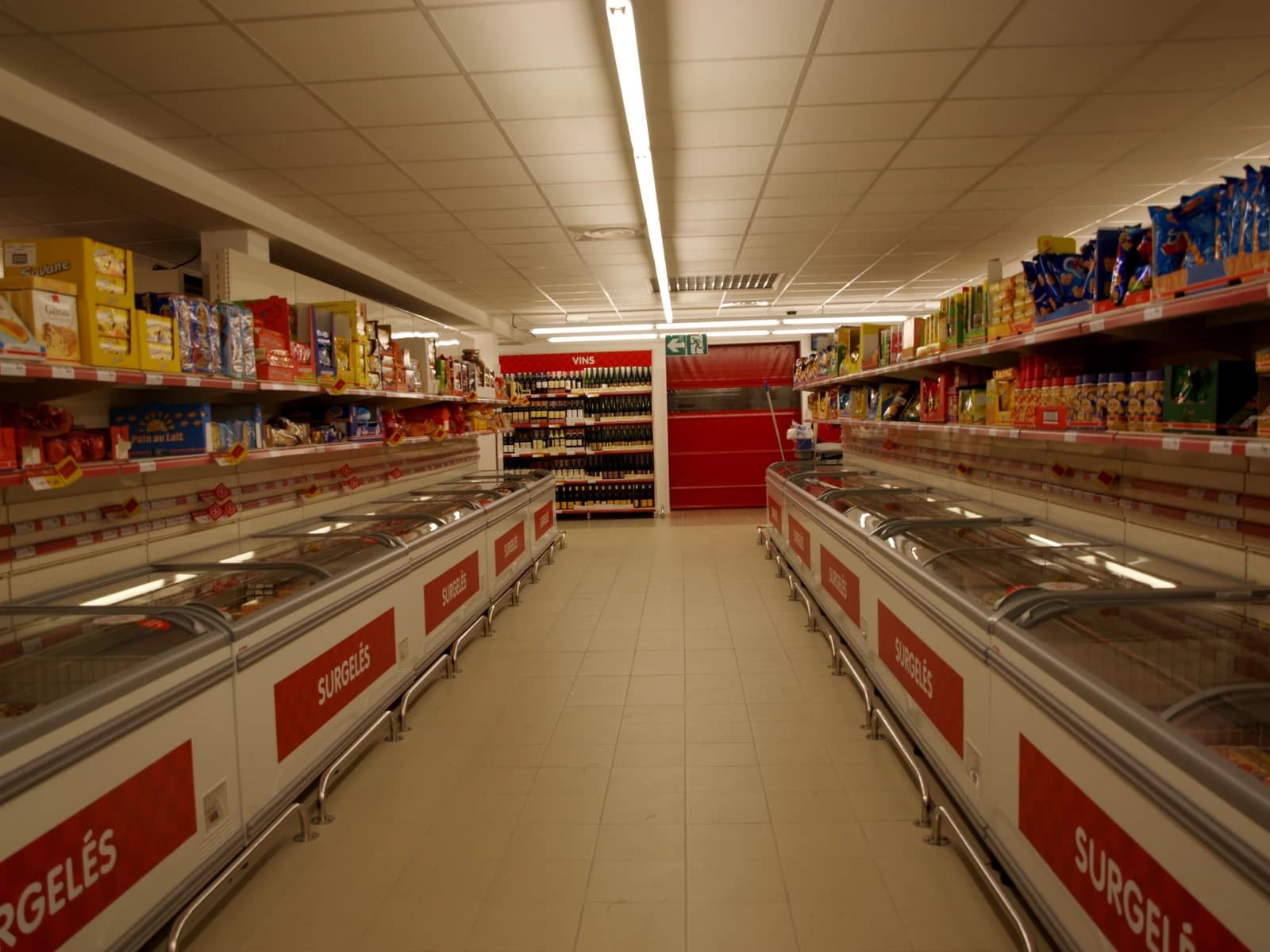
That makes the report especially relevant for investors and companies exposed to lower-income consumers. Persistent pressure on household budgets tends to show up first in grocery trading-down, softer discretionary spending and heavier demand for discount retail, private label and value-oriented food products. It also implies a more durable customer base for food aid and budget retailers if labor market conditions worsen.
The implications extend beyond France. Food prices globally have already been strained by climate shocks, supply disruptions and geopolitical tension, and the French study suggests that even when headline inflation cools, the affordability problem can remain acute if wages, rents and job creation lag. That is a warning for European policymakers as well as consumer companies trying to gauge demand in a fragile economy.
For investors, the key takeaway is that extreme poverty is becoming more sensitive to employment and housing costs than to short-lived moves in consumer prices. The bull case for consumer staples is that more households trade down to cheaper food baskets; the bear case is that a worsening labor market could deepen the strain enough to hurt overall consumption volumes.
| Entity | Gains | Losses |
|---|---|---|
| Discount grocers | ▲More trade-down demand | ▼Margin pressure from price competition |
| Food aid groups | ▲Greater relevance and funding case | ▼Heavier caseloads |
| Low-income households | ▲Access to cheaper staples | ▼Higher risk of food insecurity |
| Policymakers | ▲Clearer policy target on jobs and housing | ▼Fewer excuses for inaction |