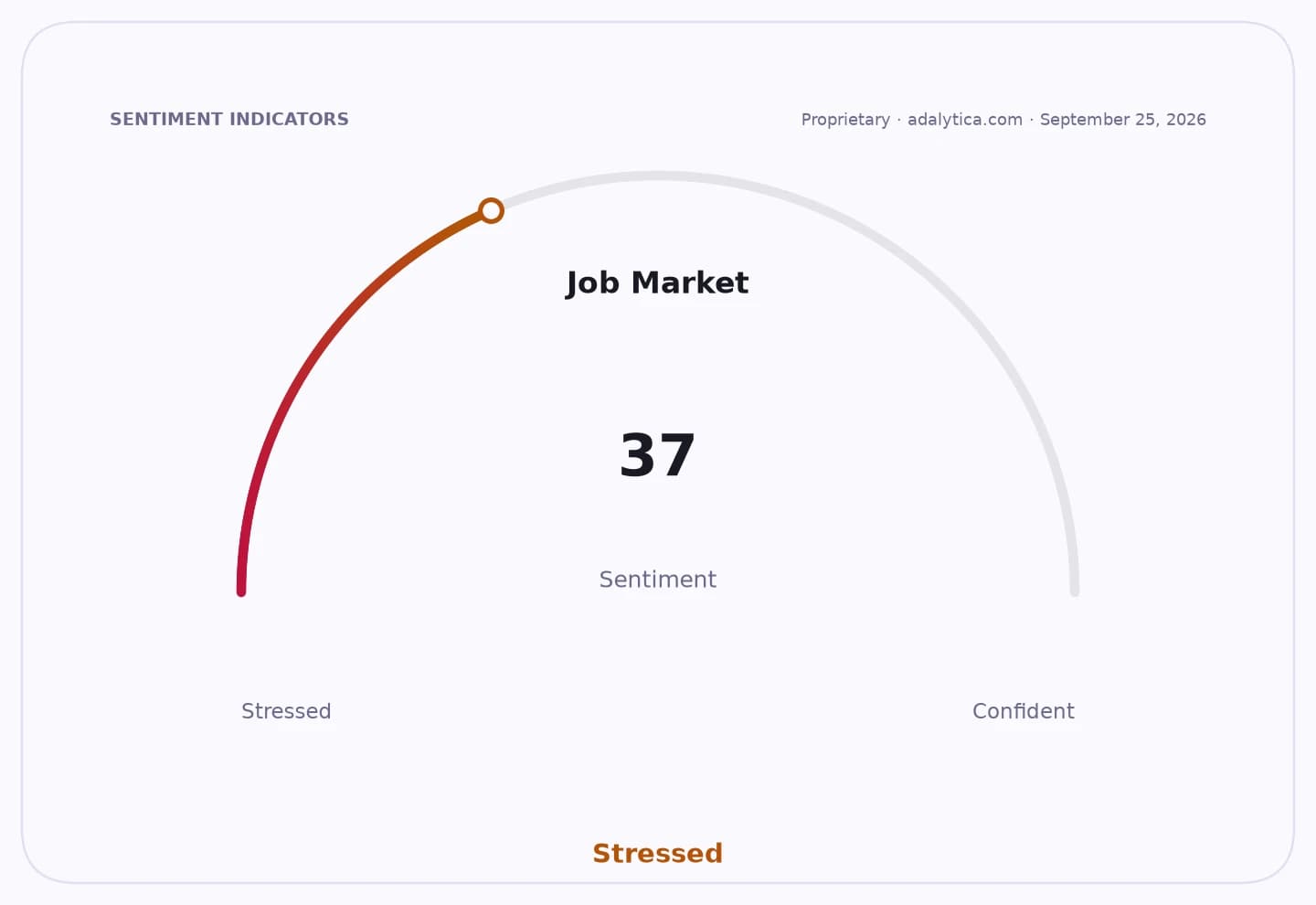
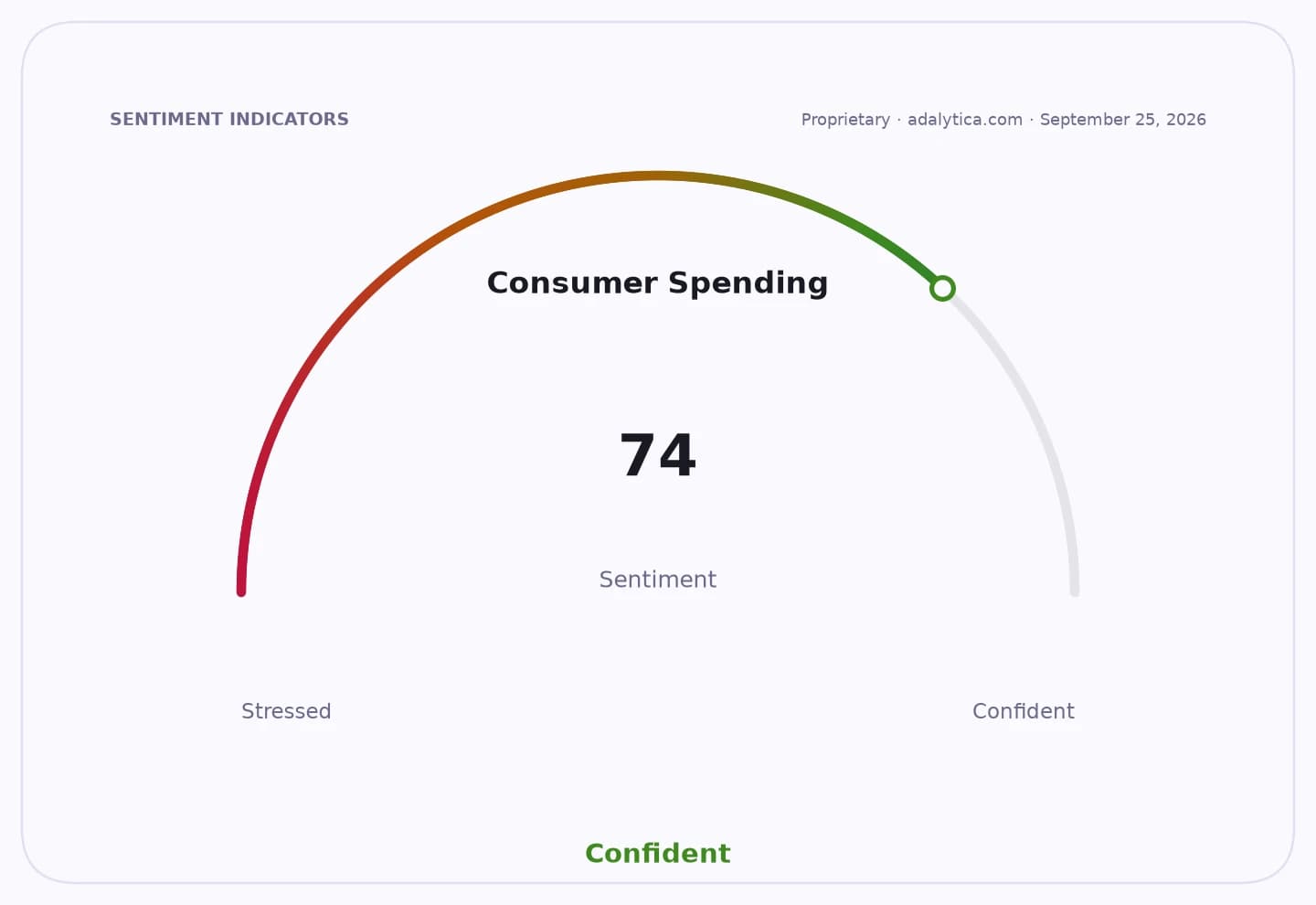
France’s household consumption rose 0.4% in June, a modest but important sign that domestic demand is holding up even as consumers remain under pressure from high prices and tighter financial conditions.
France household consumption rose 0.4% in June
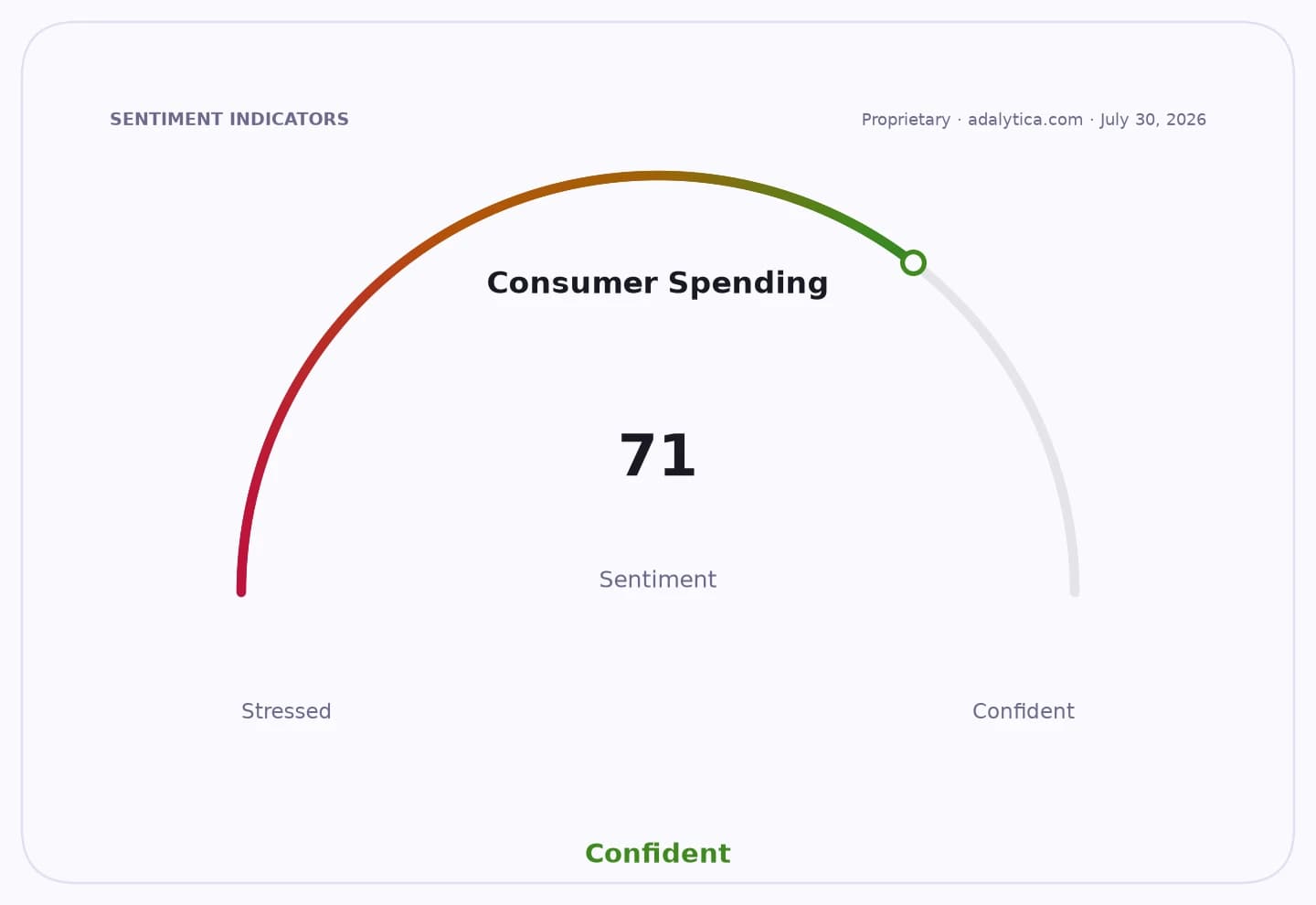
The increase matters because French households are a key stabilizer for the euro zone’s second-largest economy. When consumption improves, it supports GDP growth, helps offset weakness in exports or investment, and gives policymakers evidence that the economy is not sliding deeper into stagnation. For investors, it is also a read-through on the health of European retailers, food and household goods groups, and broader discretionary spending trends across the region.
The June gain comes against a backdrop of cautious consumer behavior rather than outright strength. Households have spent much of the past two years contending with elevated living costs and slower real income growth, which has kept demand uneven. A 0.4% monthly rise is not strong enough to suggest a clear acceleration, but it does indicate that spending has not collapsed. That matters for France’s near-term growth profile, where domestic consumption often does the heavy lifting when external demand softens.
For equity markets, the signal is mixed. A firmer consumer backdrop should help retailers and consumer-facing businesses, including travel, leisure and discretionary names, while also supporting the more defensive parts of the market tied to staples and services. But the fact that the move is only incremental suggests investors should be cautious about extrapolating a broad-based demand rebound. The more recent pattern still points to a household sector that is spending selectively, favoring necessities and waiting for clearer relief on inflation and borrowing costs.
The broader macro implication is that France remains dependent on a fragile consumer recovery to sustain growth. If household spending can continue to grind higher, it reduces the risk of a sharper slowdown and gives the government and the European Central Bank a little more room to claim that the economy is stabilizing. If not, the recovery could prove uneven and leave French growth vulnerable to another external shock.
| Entity | Gains | Losses |
|---|---|---|
| French retailers | ▲Higher footfall and sales | ▼Weak discretionary spending |
| Consumer staples firms | ▲More stable demand | ▼Slower premium trade-up |
| French households | ▲More spending power if trends hold | ▼Persistent cost-of-living pressure |
| European growth outlook | ▲Better domestic support | ▼Risk of stagnation if spending fades |