France’s eastern wheat harvest is finishing on a reassuring note for food makers and grain traders: quality looks very good, even as yields vary sharply from field to field. For investors, that mix matters because it suggests Europe’s wheat supply is likely to stay adequate overall, but not uniform enough to crush prices or erase the risks that still shape farm incomes, merchant margins and food inflation.
France Wheat Quality Improves Amid Uneven Yields
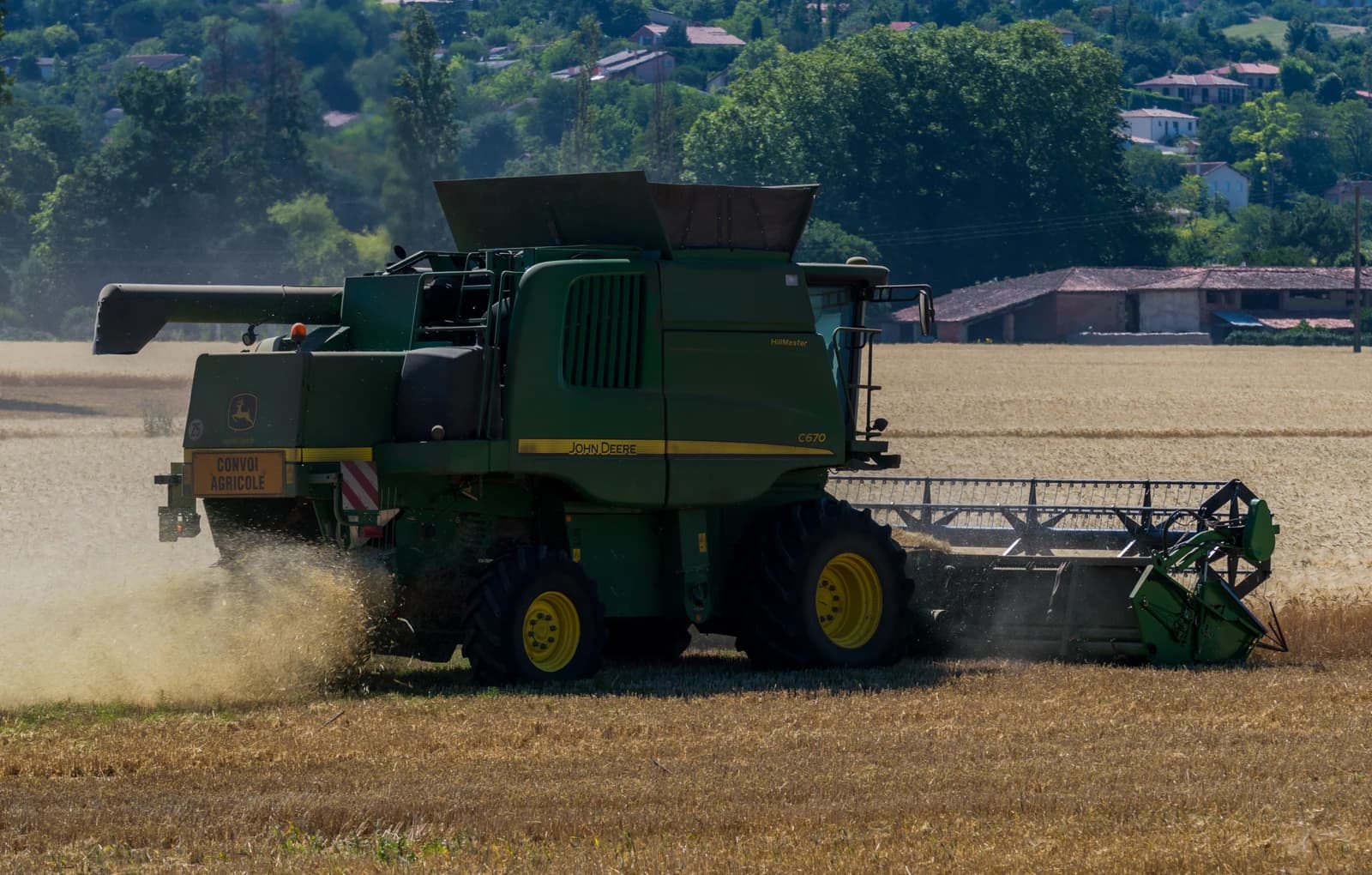
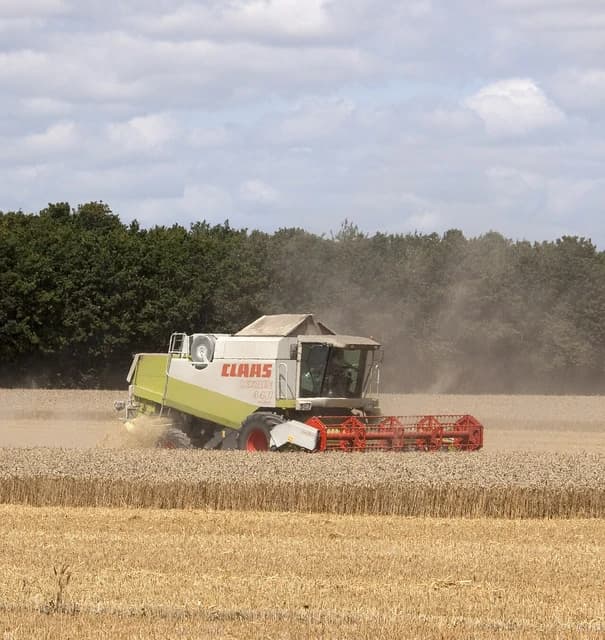
That is the real story behind the harvest. After years when drought and erratic weather made crop outcomes harder to predict, a more favorable growing season is now producing cleaner grain and better kernel fill in parts of Alsace and other European producing regions. A harvest described by growers as “very good quality wheat” is supportive for mills, exporters and food processors that rely on consistent specifications. But heterogeneous yields mean the supply picture is still uneven, which keeps some tension in the market and prevents this from becoming a simple bumper-crop story.
Commodity markets are already hinting at that balance. U.S.-listed wheat ETF WEAT has climbed to about $26, well above its 50-day and 200-day moving averages, while its relative strength index has pushed deep into overbought territory. That kind of move usually reflects tighter sentiment, not a collapse in fundamentals. Corn ETF CORN has also firmed, though less dramatically, suggesting investors are still pricing in a resilient grain complex rather than a glut. In other words, good wheat quality is welcome, but the market is not yet behaving as if supplies are so abundant that prices need to reset lower.
The ripple effects extend beyond the farm gate. Stronger and more reliable wheat quality tends to help processors, millers and branded food companies by lowering the risk of blending problems and production disruptions. That should be a mild positive for companies such as Archer-Daniels-Midland, whose grain merchandising and processing businesses benefit from steady throughput and healthy crop flows. But for farmers, the uneven yield profile means revenue outcomes can still vary widely by plot, even if the grain that is harvested commands better acceptance. That is why a good-quality crop does not automatically translate into strong farm economics.
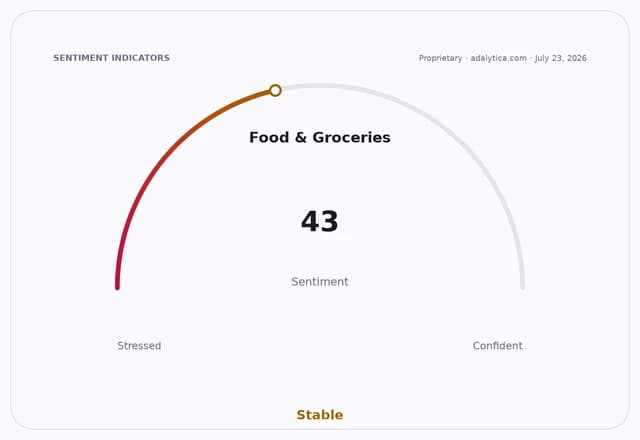
The broader macro backdrop matters too. Agricultural costs remain elevated, and food-price inflation has not vanished even as some crop conditions improve. U.S. producer prices for agricultural commodities have been trending higher over the longer run, while consumer prices have stayed sticky. That leaves policymakers, food companies and investors all watching harvest results for clues about whether grains can finally ease some pressure on the food chain, or whether weather-driven volatility will keep prices supported.
For long-term investors, the takeaway is simple: this is a constructive development for the agricultural value chain, but not the sort of clean oversupply story that usually sends grain prices sharply lower. Better-quality wheat in Alsace and other regions is good news for end users, yet the uneven yield picture keeps the market honest and preserves opportunities for disciplined producers, traders and processors. Worth watching, but not a reason to chase the trade.
| Entity | Gains | Losses |
|---|---|---|
| Wheat buyers | ▲Better quality supply | ▼Little downside in prices |
| Farmers with strong fields | ▲Higher-grade crop | ▼Poorer yields elsewhere |
| Grain merchants/processors | ▲Steady throughput | ▼Less pricing volatility |
| Wheat bears/shorts | ▲— | ▼Tight supply backdrop |