Goods transporters are raising fares because their own costs are climbing faster than they can absorb them, turning a global supply-chain squeeze into a fresh inflation risk for shippers and consumers.
Freight Costs Rise, Supporting Carrier Pricing Power
The most immediate pressure is coming from freight markets that are tightening again across key trade lanes. Container shipping from Ho Chi Minh City to the U.S. East Coast has jumped 17% to nearly $9,000 a box as exporters rush to beat tax deadlines, while Russian freight volumes are up 28.8% in the past year and transport tariffs there have risen 17.5% in recent weeks amid a fuel crisis that has left as much as 20% of trucks idle.
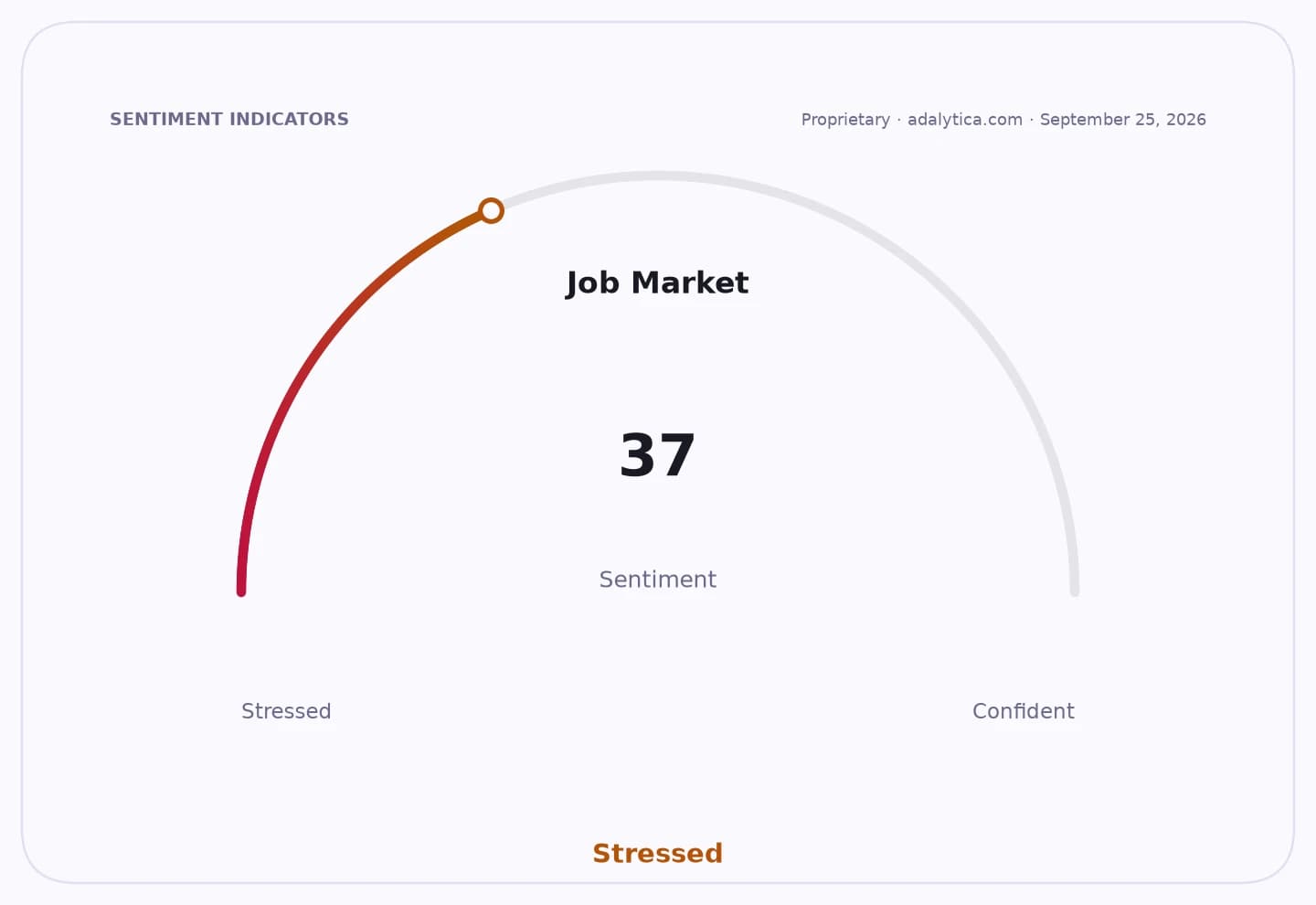
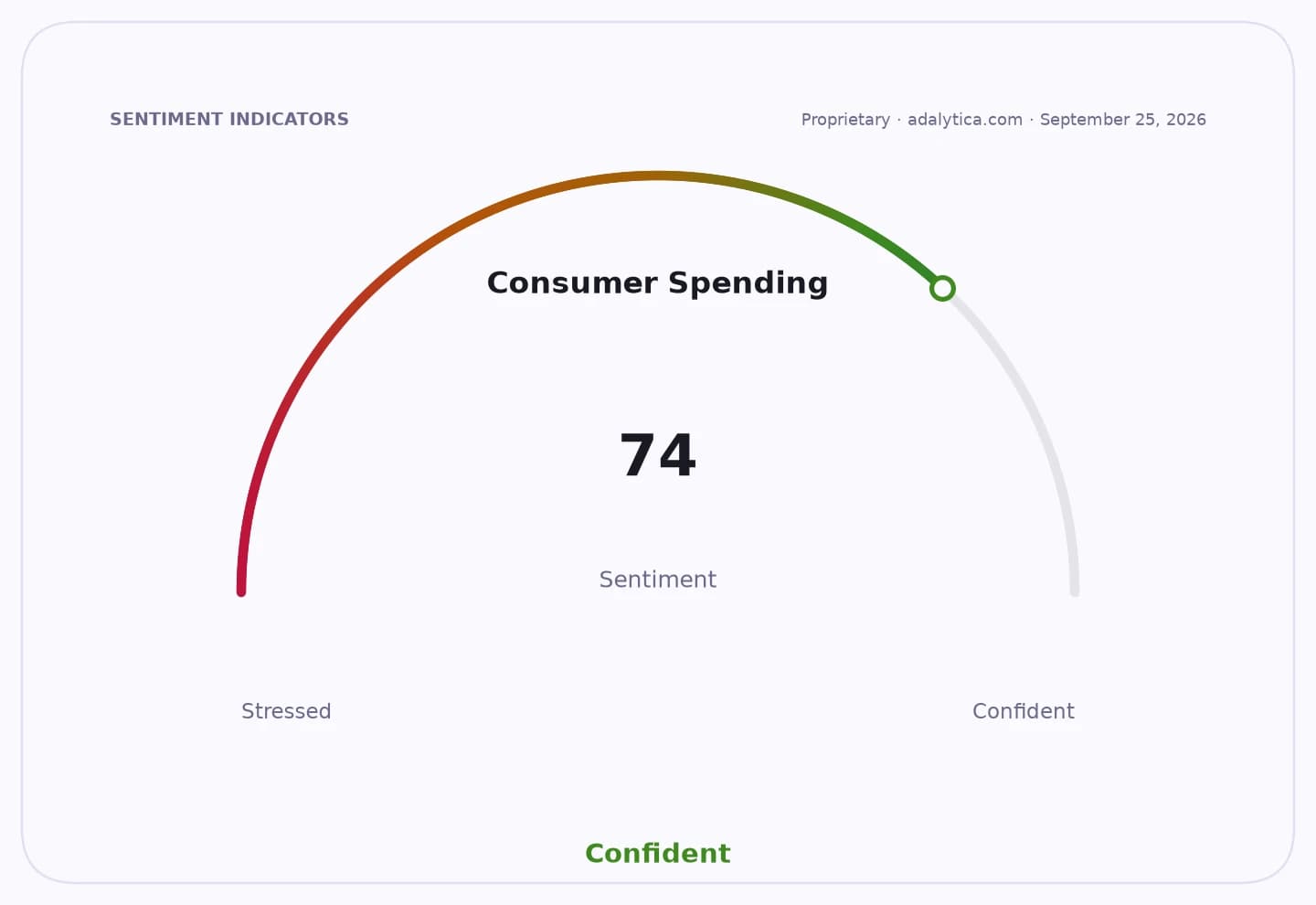
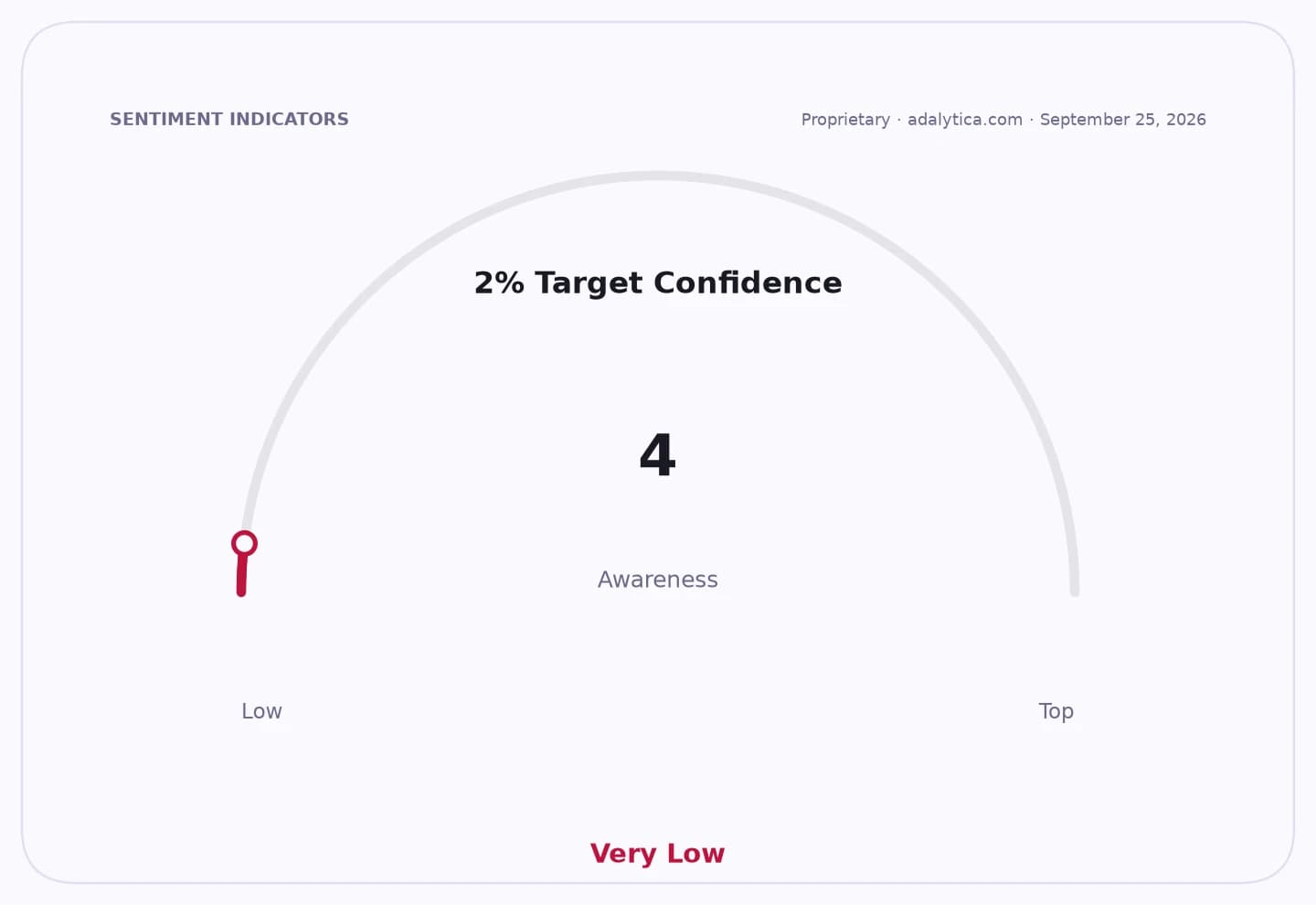
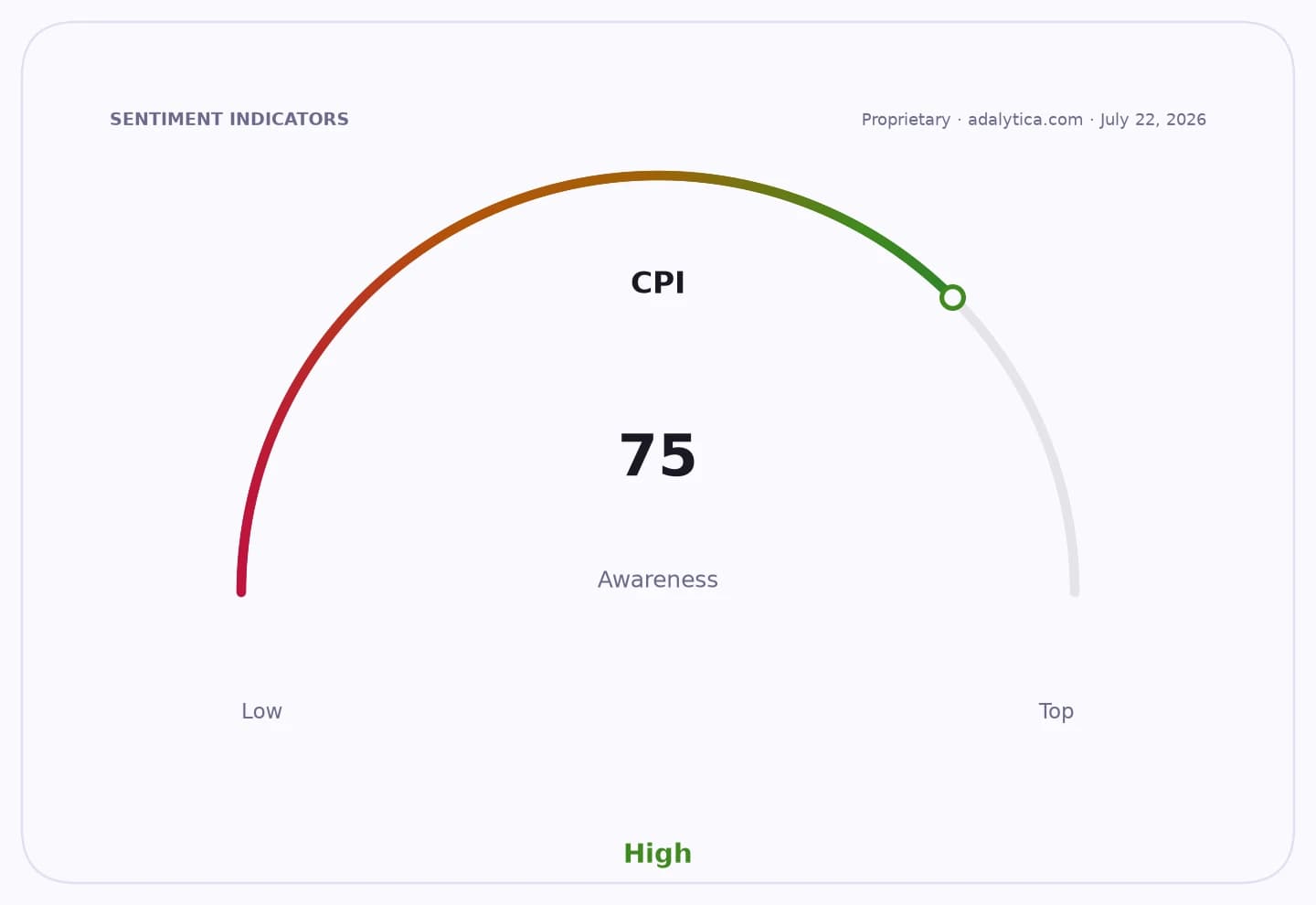
Sentiment IndicatorsⓘProprietary · adalytica.com · July 22, 2026
This is a snapshot — live sentiment, awareness and momentum for 130+ markets update continuously in the dashboard.Open AlphaPulse
That matters economically because transport is a pass-through industry: when diesel, capacity and routing costs rise, the increase filters into import prices, export margins and eventually consumer inflation. U.S. inflation gauges are already running above pre-pandemic levels, with CPI at 332.568 in June and forecast to rise 0.89% in July, while producer prices are seen climbing 3.14% in the same month, leaving little room for another broad-based freight-led price shock.
For investors, the fare increase is a sign that pricing power is improving for carriers even as customer volumes remain uneven. U.S. logistics names have been flashing the same message in recent filings, with C.H. Robinson and J.B. Hunt citing higher market pricing, fuel surcharges and capacity management as major drivers of revenue, while Old Dominion Freight Line has also benefited from stronger yield trends.
The equity market is already pricing that in. J.B. Hunt shares have surged to around $293 from $146.28 less than a year ago, while C.H. Robinson is trading near $209 and Old Dominion near $235, both well above their 200-day moving averages. The moves suggest investors are looking past weak spots in freight demand and focusing instead on improved rates, better network discipline and the possibility that transport inflation will keep margins supported.
The macro backdrop makes the timing especially sensitive. U.S. unemployment is forecast to edge down to 4.18% in July, suggesting demand is not collapsing, while the S&P 500 remains in a neutral but watchful mood, according to Adalytica trade signals. If freight costs keep rising, shippers may absorb less and pass through more, keeping pressure on importers, retailers and industrial customers into the third quarter.
The next catalyst is whether rate hikes stick or fade as fuel conditions and trade flows normalize. If capacity stays tight and freight prices keep climbing, transport companies could extend their pricing gains — but importers and consumer-facing industries would face another round of margin pressure and inflation stickiness.
| Entity | Gains | Losses |
|---|---|---|
| Goods transporters | ▲Higher fares, wider margins | ▼Volume-sensitive customers |
| Freight carriers such as JB Hunt, CH Robinson, Old Dominion | ▲Better pricing power | ▼Shippers facing higher costs |
| Exporters/importers | ▲None | ▼Higher logistics bills |
| Consumers and retailers | ▲None | ▼Potential pass-through inflation |