Britain’s FTSE 250 has finally pushed through its 2021 peak, a milestone that matters because it shows investors are starting to look beyond the megacaps and into the domestic economy-sensitive names that dominate the mid-cap benchmark.
FTSE 250 Breaks Above 2021 Peak

The move is economically significant because the FTSE 250 is far more exposed than the FTSE 100 to UK growth, consumer spending, housing, financial conditions and corporate investment. When that index makes a new high, it usually reflects a combination of easing recession fears, improving earnings confidence and a willingness to pay up for cyclical exposure. For investors, it suggests the market is discounting a softer landing for Britain than many feared over the past two years.
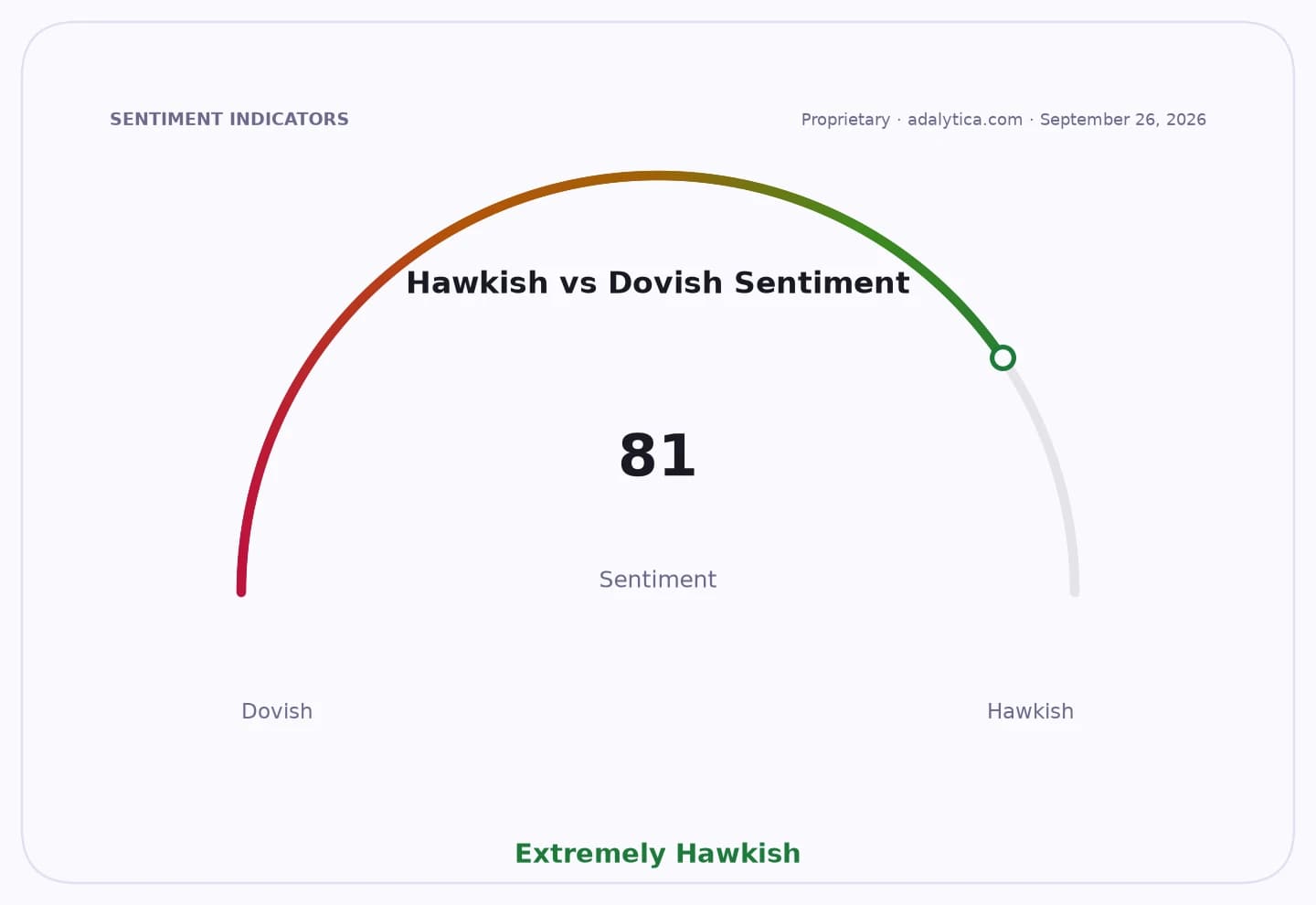
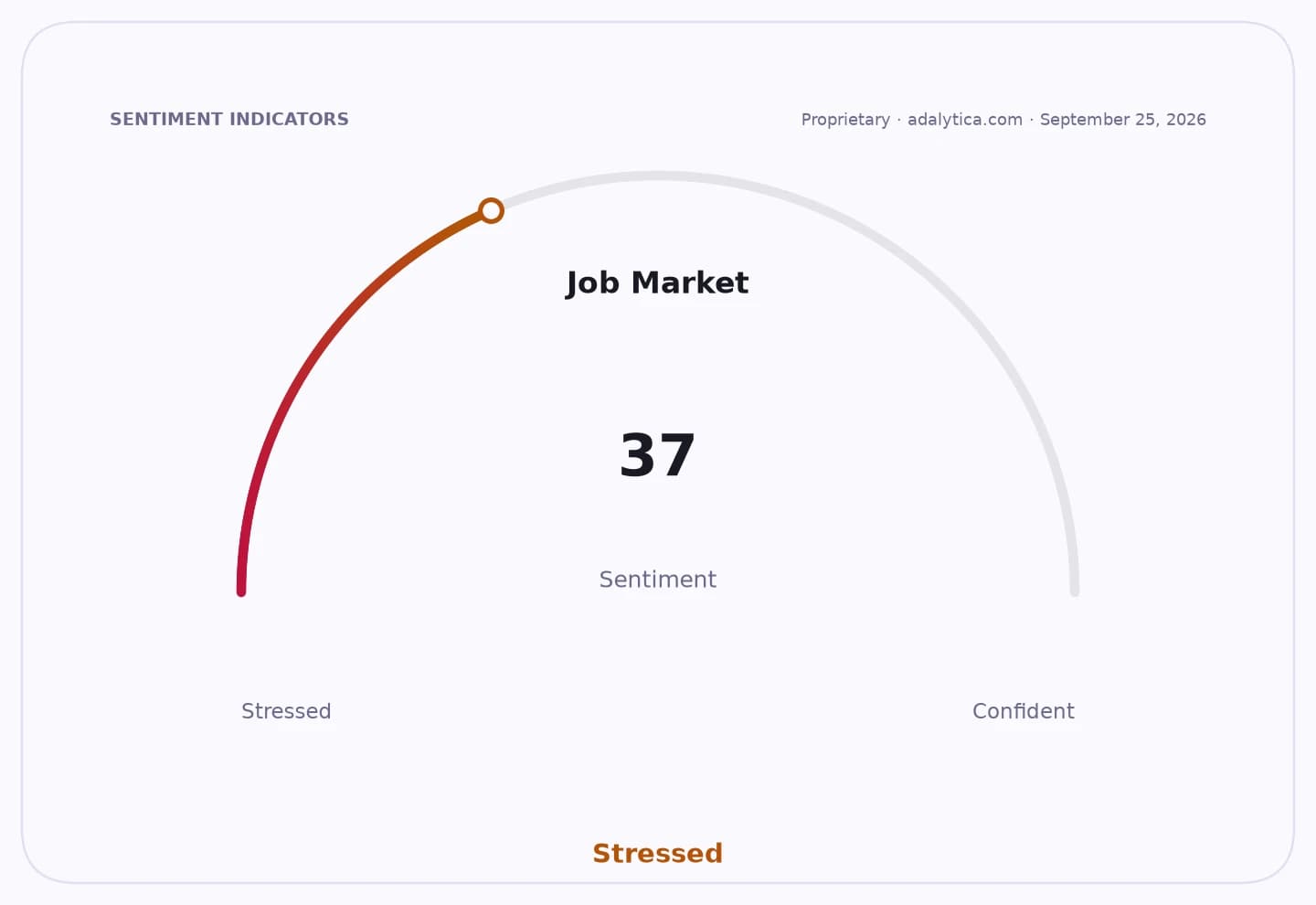
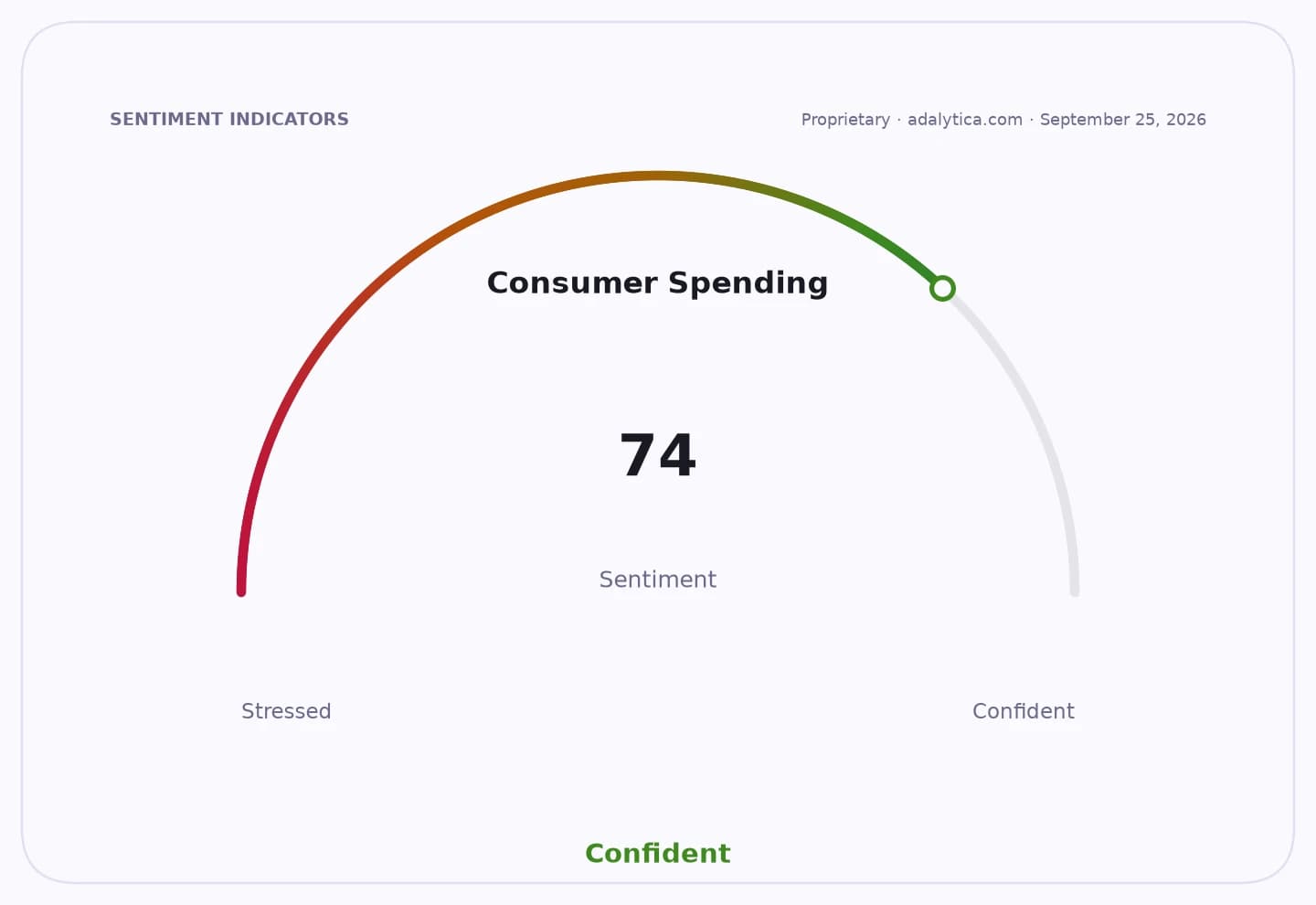
Sentiment IndicatorsⓘProprietary · adalytica.com · August 4, 2026
This is a snapshot — live sentiment, awareness and momentum for 130+ markets update continuously in the dashboard.Open AlphaPulse

The rally has come alongside firmer risk appetite globally and a steadier backdrop for UK assets. In US markets, the S&P 500 is sitting in an “Extreme Greed” zone in Adalytica’s trade signals, underscoring a broad risk-on tone that has also supported European equities. That helps explain why the more domestically focused FTSE 250 has been able to outperform even as its larger-cap sibling remains more heavily influenced by energy, mining and global dollar earnings.
The FTSE 250’s breakout also has a balance-sheet story behind it. The Bank of England has not yet delivered an outright easing cycle as aggressive as the market once expected, but the prospect of lower rates over time reduces the pressure on highly leveraged domestic companies and supports valuations for retailers, housebuilders, real estate, transport and financial services firms. A record high in midcaps can therefore be read as a market vote of confidence that financing conditions will become less punitive, not more.
That matters for the economy because mid-caps are closer to the pulse of UK corporate activity than the FTSE 100. They are more likely to hire, invest and spend at home, and their earnings are more sensitive to consumer demand and credit availability. If the FTSE 250 is right, it implies investors see enough resilience in household balance sheets and business demand to keep profits growing, even if Britain’s broader growth picture remains modest.
The composition of the rally also matters. Commodity-linked strength has helped the FTSE 100, with miners such as Glencore and Antofagasta benefiting from a modest rebound in oil and a more constructive view on global demand. But the FTSE 250’s record is more telling for the domestic story because it reflects breadth rather than a handful of heavyweight exporters. In market terms, that makes the move more valuable: it points to participation across the economy-sensitive part of the market, not just a narrow defensive or resource-led trade.
There are, however, two ways to read the breakout. The bullish case is that UK midcaps are finally closing a long-standing valuation gap after years of political uncertainty, Brexit-related discounting and rate shock. The bearish case is that the new high may be running ahead of the underlying economy, especially if growth slows again, inflation proves sticky, or corporate margins come under pressure from wages and higher-for-longer borrowing costs.
For now, investors are treating the FTSE 250’s record as a confirmation that the UK equity market is no longer being priced as if a recession were inevitable. The next test is whether earnings can justify the advance. If results from domestic lenders, retailers, builders and industrials continue to hold up, the index could attract more capital from global allocators looking for cyclical value outside the US. If not, the breakout may prove more about liquidity and sentiment than a durable rerating of Britain’s growth prospects.
| Entity | Gains | Losses |
|---|---|---|
| FTSE 250 midcaps | ▲New record high | ▼Residual valuation discount |
| UK domestic cyclicals | ▲Better earnings multiple | ▼If growth slows |
| Borrowers and rate-sensitive firms | ▲Easier financing backdrop | ▼Higher-for-longer rates |
| FTSE 100 exporters/miners | ▲Risk-on market support | ▼Relative outperformance gap |