Unbranded gas stations are drawing fresh scrutiny as higher fuel costs and tight supplies make it easier for quality problems to slip through, leaving drivers exposed to engine damage just as households are already stretched by inflation.
Fuel Quality Scrutiny Hits Unbranded Gas Stations

The economic stakes are bigger than a bad fill-up. When gasoline and diesel prices stay elevated, consumers become more price-sensitive and are more likely to trade down to the cheapest pump they can find. That creates an opening for substandard fuel, weak oversight and, in some cases, adulteration or theft. The risk is not just to vehicles, but to confidence in the retail fuel market itself.
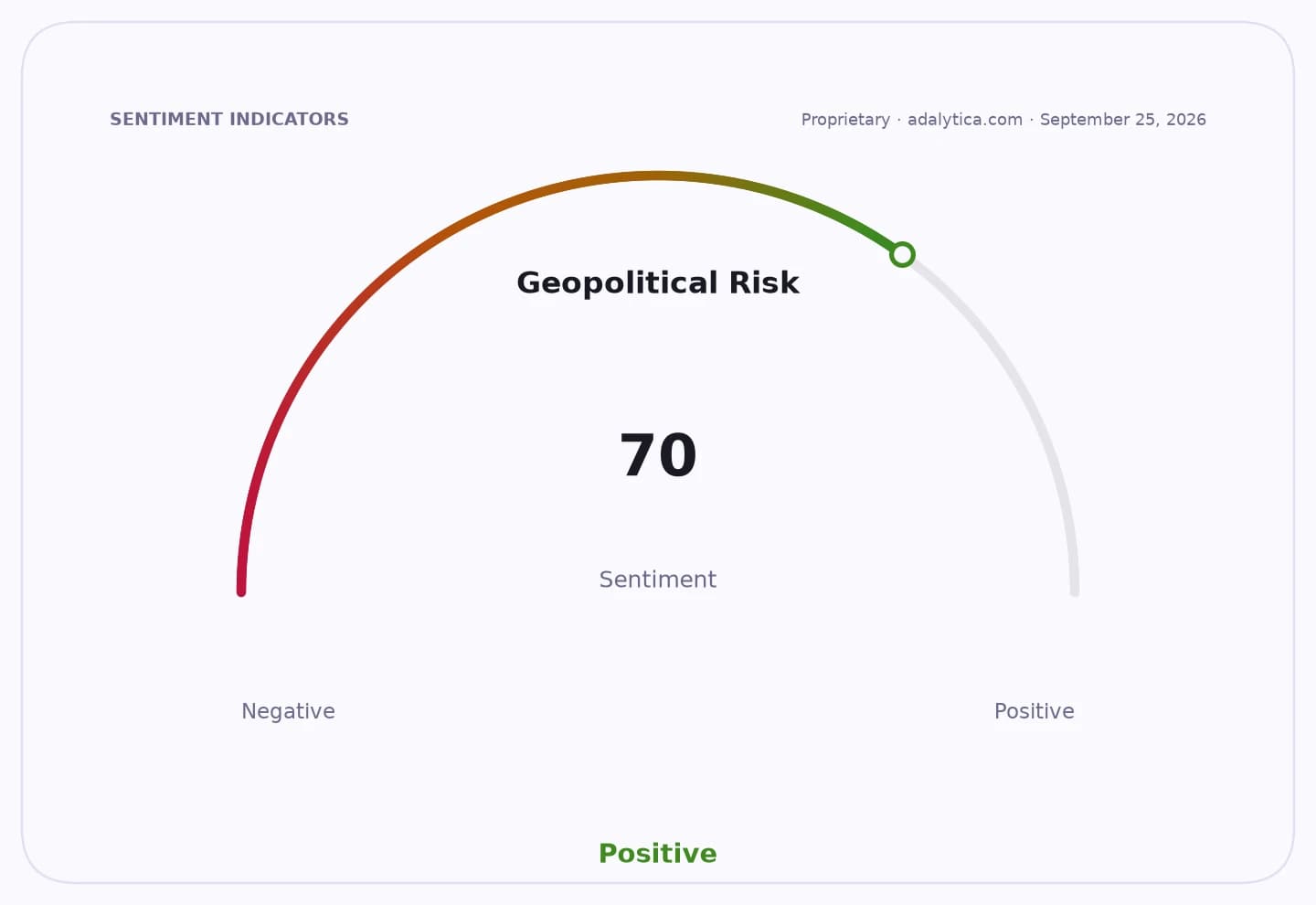
Sentiment IndicatorsⓘProprietary · adalytica.com · August 7, 2026
This is a snapshot — live sentiment, awareness and momentum for 130+ markets update continuously in the dashboard.Open AlphaPulse
That matters because fuel quality problems can impose hidden costs on consumers long after the receipt is thrown away. Bad fuel can clog injectors, trigger warning lights, reduce mileage and force repairs that are far more expensive than the few cents saved per gallon. For businesses that run fleets, delivery vans or construction equipment, the problem can become a real operating expense and a drag on productivity.
The backdrop is a fuel market still shaped by inflation and geopolitical strain. U.S. consumer prices are running far above pre-pandemic levels, with the CPI at 332.568 in June and projected to rise further to 335.512 in July. Producer prices for all commodities are also elevated, while benchmark WTI crude has been volatile, recently trading around $81.96 after a sharp swing from $109.76 in May. In other words, the pressure on pump prices is not a temporary blip — it is part of a broader cost environment that keeps the incentive to seek cheaper fuel alive.
Investors should care because the squeeze is showing up across the fuel chain. The market’s reaction has favored refiners and branded retailers that can defend margins and trust, while making the low-end convenience segment more vulnerable to reputation risk and regulatory attention. Marathon Petroleum, Phillips 66 and Murphy USA all remain tied to the consumer’s hunt for value, but the long-term winners are likely to be the operators that can guarantee consistent product quality and reliable supply. That is especially true when a single contamination event can damage a local brand faster than a coupon can rebuild traffic.
There is also a competitive angle. Unbranded stations often compete on price alone, which becomes harder to sustain when input costs are high and supply chain disruptions persist. If oversight tightens, compliance costs could rise. If it does not, consumer distrust could push more drivers toward established branded stations, convenience chains and large-scale fuel distributors with better quality controls.
For long-term investors, the lesson is simple: in fuel retail, trust is a moat. In periods of inflation and price volatility, the cheapest option is not always the best one, and the businesses most likely to compound value are usually the ones with brand strength, scale and disciplined operations. This is worth watching, especially for investors who want exposure to energy and retail without taking unnecessary quality risk.
| Entity | Gains | Losses |
|---|---|---|
| Branded fuel retailers | ▲More trust and traffic | ▼None |
| Unbranded gas stations | ▲Lower prices help sales | ▼Reputation and oversight risk |
| Drivers | ▲Better quality at reputable outlets | ▼Repair costs from bad fuel |
| Refiners and large chains | ▲Stronger customer loyalty | ▼Price-sensitive trade-down pressure |