Fuel shortages are turning gas stations from cash generators into liabilities, and that shift matters because it exposes how quickly a supply shock can rip through the retail fuel chain and redraw the winners in energy. In Russia, owners are reportedly putting stations up for sale as long queues build and the government scrambles to contain the crisis; in Indonesia, authorities are closing stations and trying to reroute supply as shortages spread across Aceh and North Sumatra.
Fuel shortages favor refiners over stations
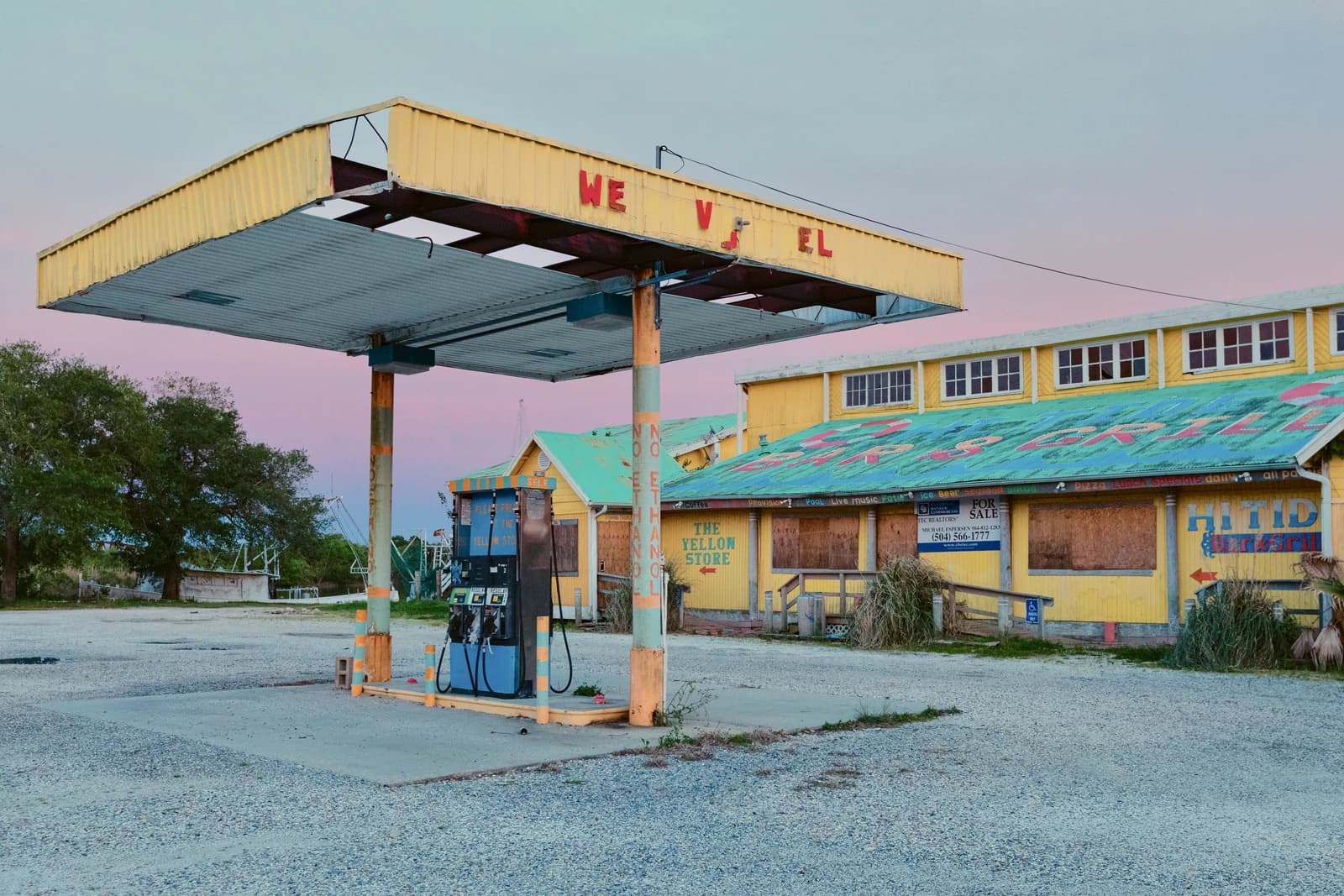
The economic significance is bigger than a handful of empty pumps. When fuel distribution breaks down, the pain does not stop at consumers waiting in line. It hits working capital, compresses margins, destroys foot traffic, and can force independent operators to exit at distressed prices. That is especially corrosive in a business where owners already depend on thin retail spreads and steady volume to cover labor, rent, financing costs and compliance. A station that cannot reliably secure supply is not just underperforming — it becomes unfinanceable.
The crisis also highlights the leverage embedded in the energy value chain. Crude oil remains elevated, with West Texas Intermediate around the high-$70s a barrel in the latest forecast and the broader oil price index still well above pre-pandemic norms. That leaves upstream producers and large refiners in a stronger position than the retail end of the market, where price controls, logistics bottlenecks and political pressure often absorb the shock. In other words, the market underestimates how much operational stress can migrate downstream even when headline oil prices are not at extreme peaks.
That is why investors should look beyond the stations themselves and toward the toll roads of the fuel system: refiners, integrated fuel distributors and logistics-heavy energy operators. Marathon Petroleum, Valero and Phillips 66 have all traded with strong momentum, reflecting a market that is already rewarding margin discipline, but the deeper thesis is that supply disruptions can preserve pricing power for the best-positioned operators even as they punish fragmented local retailers. If governments are forced to stabilize prices, the burden often lands on smaller sellers first.
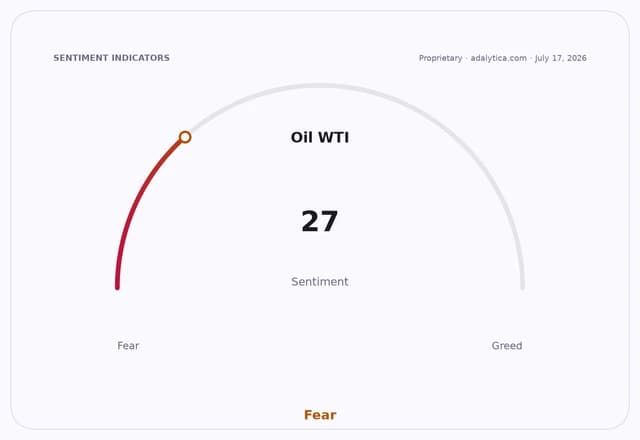
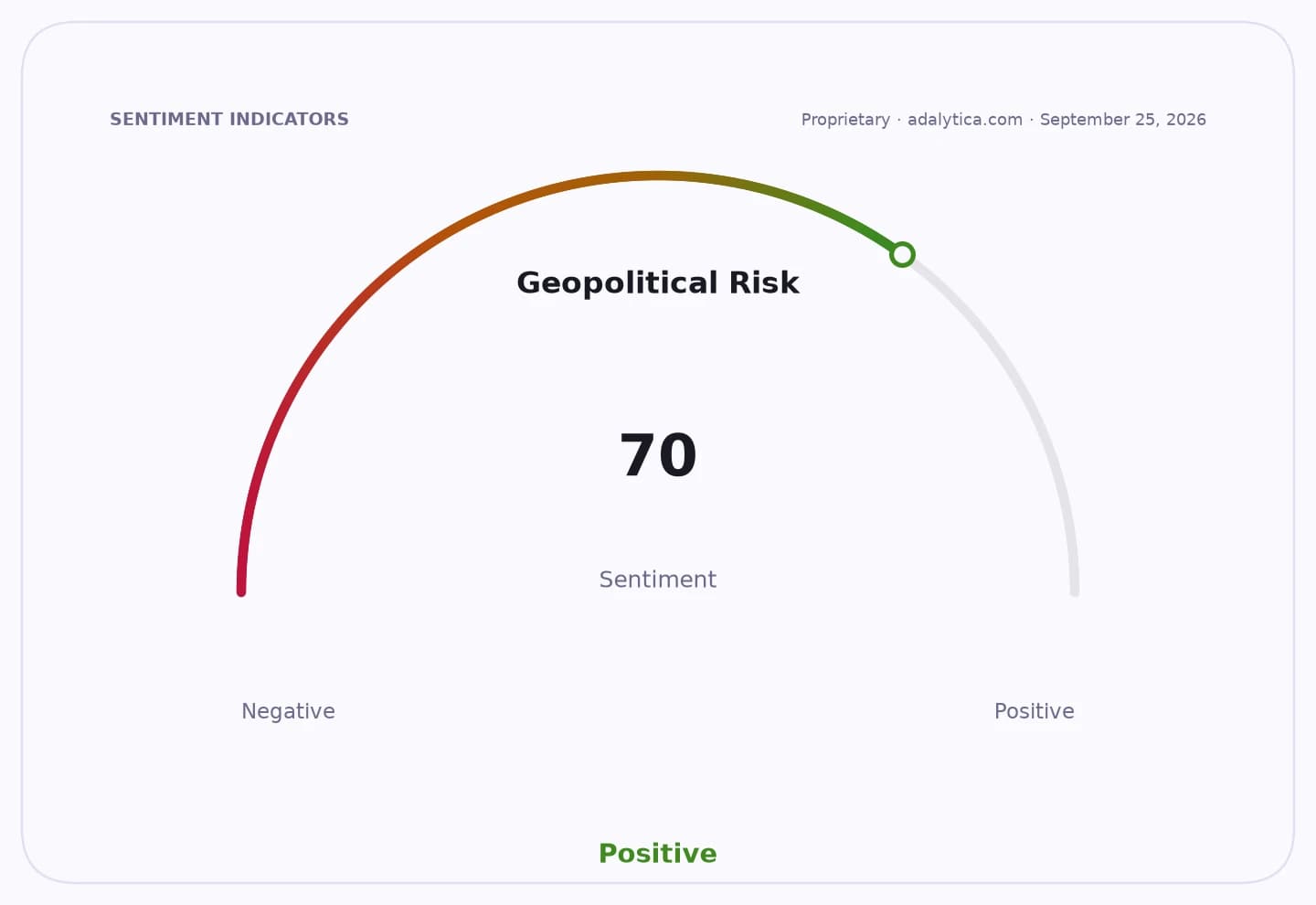
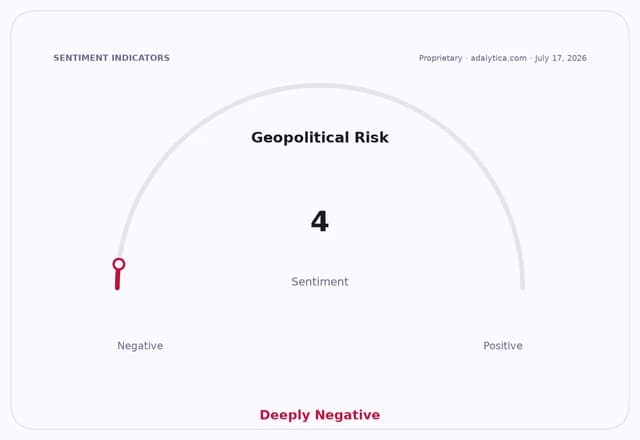
The consumer backdrop is hardly supportive. U.S. sentiment is weak and global-stability readings are in extreme fear, a combination that tends to amplify any fuel shock by forcing households and businesses to conserve cash. That makes the shortage story more than a regional inconvenience: it is another reminder that energy logistics remain a geopolitical vulnerability and that control of distribution matters as much as control of supply.
For investors, the actionable takeaway is clear. Own the infrastructure, not the panic. The crisis is a warning shot for independent station owners, but it is a tailwind for refiners, distributors and energy infrastructure names with scale, storage and bargaining power. If fuel scarcity persists, the next leg of the trade should continue to favor companies that can source, store and move product — not the operators forced to sell at the pump.
| Entity | Gains | Losses |
|---|---|---|
| Large refiners | ▲Wider bargaining power | ▼None in retail disruption |
| Integrated fuel distributors | ▲Stronger volume control | ▼Margin pressure from price caps |
| Independent gas station owners | ▲Asset-sale liquidity | ▼Supply shortages and thin margins |
| Consumers and local businesses | ▲Temporary relief if prices are capped | ▼Delays, queues and lost productivity |