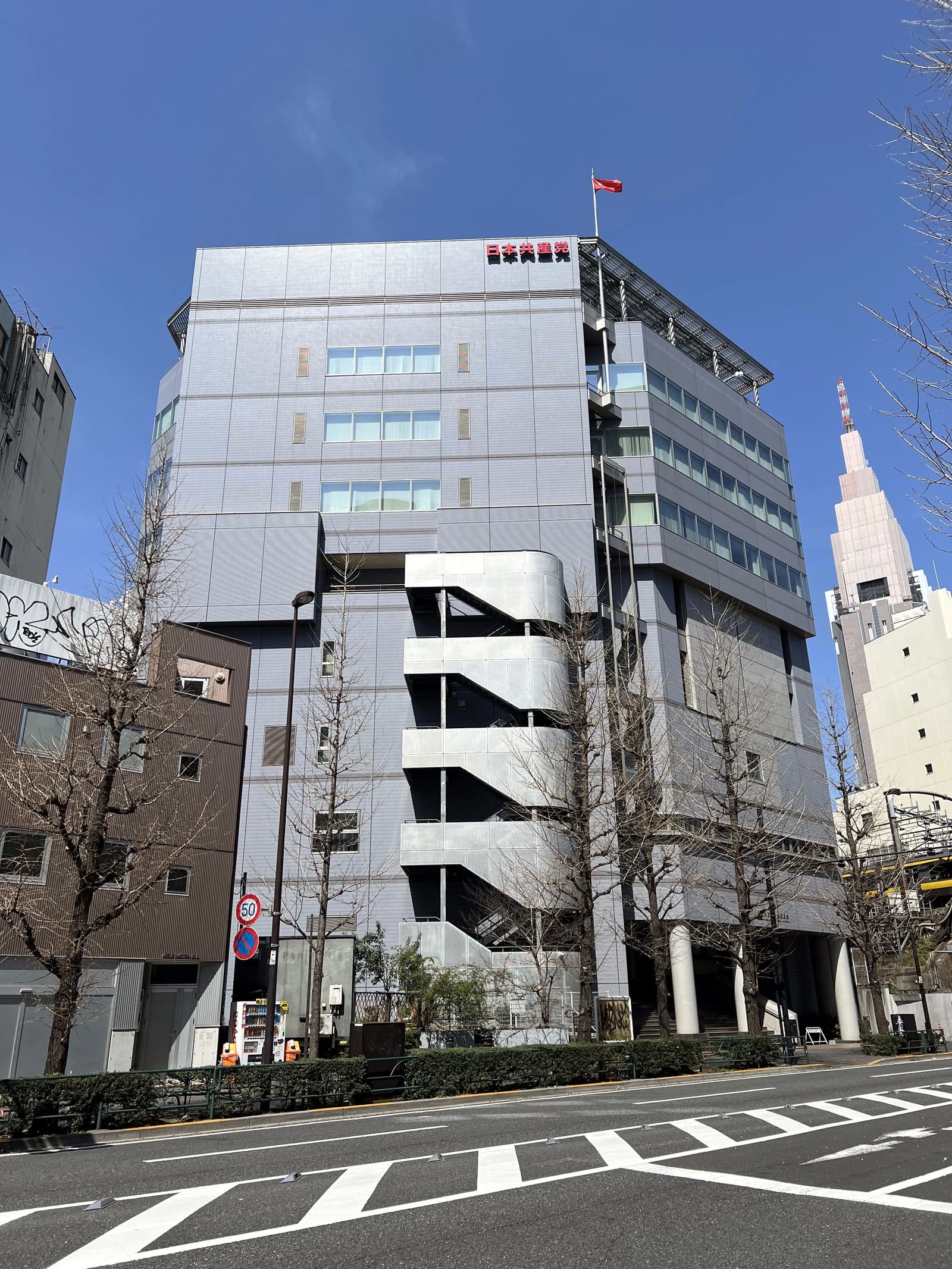
Fukushima Prefecture is heading into a crowded gubernatorial race, with Communist Party-backed Mr. Oyamada set to run against incumbent Masao Uchibori and five other challengers in a vote that will test how far the prefecture’s recovery story has really gone. For investors, the significance is not the election drama itself, but what it says about policy continuity in a region still shaped by the long shadow of the 2011 nuclear disaster, local reconstruction spending and the market’s appetite for Japan-related risk.
Fukushima gubernatorial race and Japan ETF backdrop
A six-way race usually means the incumbent starts with the advantage, but it also forces voters to revisit the pace and direction of Fukushima’s rebuild. That matters economically because prefectural leadership helps set the tone for rebuilding projects, land use, industrial policy and the handling of environmental and public-safety concerns that can either support or slow local investment. In a place where recovery is still a multi-year undertaking, political stability tends to be a tailwind for businesses that depend on predictable permitting, construction activity and public works spending.
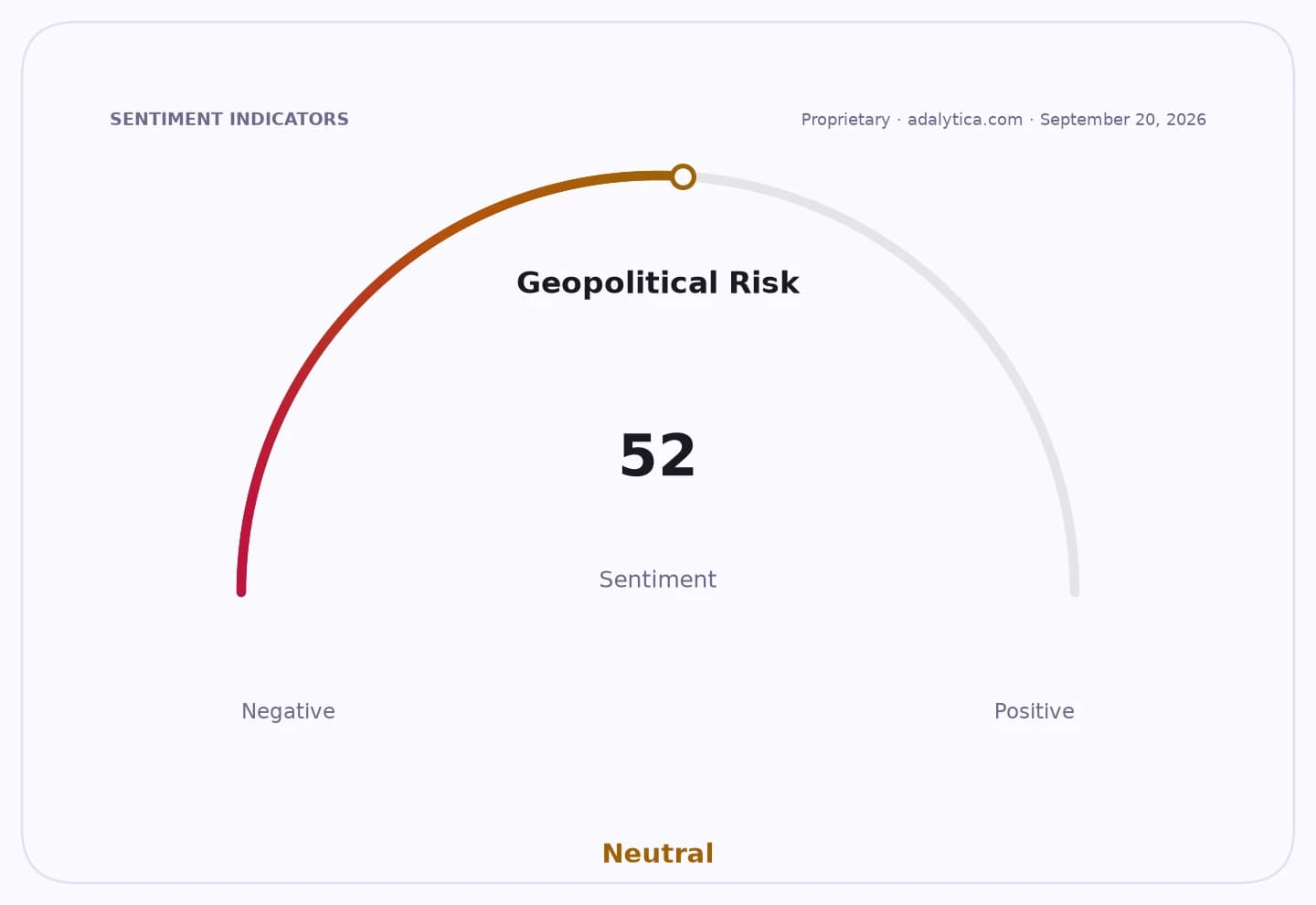
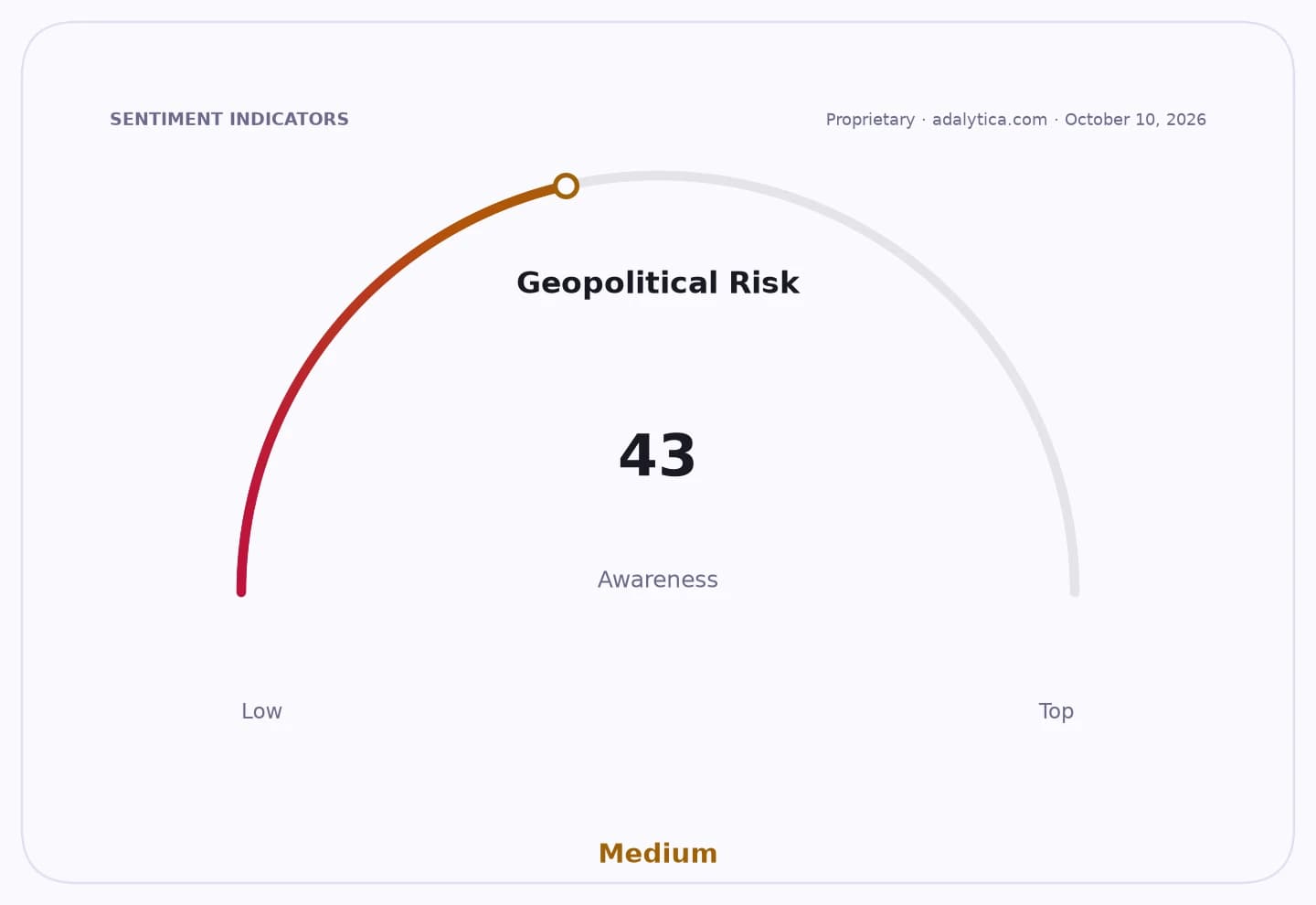
Sentiment IndicatorsⓘProprietary · adalytica.com · October 3, 2026
This is a snapshot — live sentiment, awareness and momentum for 130+ markets update continuously in the dashboard.Open AlphaPulse
The broader market angle is that Japan exposure remains attractive when local politics reinforce continuity rather than disruption. The iShares MSCI Japan ETF, EWJ, has climbed to $98.92 from $76.21 in late November, while the WisdomTree Japan Hedged Equity Fund, DXJ, has risen to $182.03 from $137.76 over the same stretch. Both funds have also been trading above their 50-day and 200-day moving averages, a conventional technical sign that investors remain constructive on Japanese equities even as regional headlines create short-term noise. That kind of backdrop suggests investors are still more focused on earnings, governance and macro stability than on one prefectural contest.
Still, Fukushima is not a normal local election. The prefecture’s recovery remains tied to reputational trust, infrastructure spending and the continued management of post-disaster risks. Recent arrests involving illegal waste dumping and alleged theft in the region are reminders that public confidence and regulatory enforcement remain part of the economic story. If voters see the race as a referendum on competence, the winner will matter less for ideology than for whether Fukushima keeps drawing the policy attention and capital it needs.
For long-term investors, the lesson is simple: local politics can shape the speed of recovery, but they rarely change the investable trend by themselves. What matters is whether the election preserves continuity, supports rebuilding and keeps Japan’s broader equity story intact. Fukushima is worth watching, but the bigger takeaway for investors is to stay focused on diversified exposure to Japan and the companies best positioned to benefit from a steadier domestic backdrop.
| Entity | Gains | Losses |
|---|---|---|
| Incumbent Uchibori | ▲Continuity and policy stability | ▼Reform-minded challengers |
| Fukushima recovery projects | ▲Predictable execution | ▼Political uncertainty |
| Japan ETFs (EWJ, DXJ) | ▲Stable domestic backdrop | ▼Event-driven volatility |
| Opposition challengers | ▲More attention to change | ▼Incumbency advantage |