Omar Bongo Oligui Nguema’s expected state visit to China in November is shaping up as more than a diplomatic courtesy call: it could determine how quickly Gabon can convert its post-coup political reset into infrastructure funding, mining investment and broader economic breathing room.
China visit could unlock Gabon financing
For a resource-dependent economy still trying to rebuild investor confidence, the timing matters. China remains one of Africa’s most important lenders, builders and buyers of raw materials, and a high-level visit offers Libreville a chance to broaden financing options at a time when many Western capital sources remain cautious about political risk. For Beijing, Gabon offers access to manganese, timber and oil-linked commercial ties in a central location on the Atlantic coast, as well as another foothold in a region where influence is increasingly contested by the U.S., Europe and Gulf states.
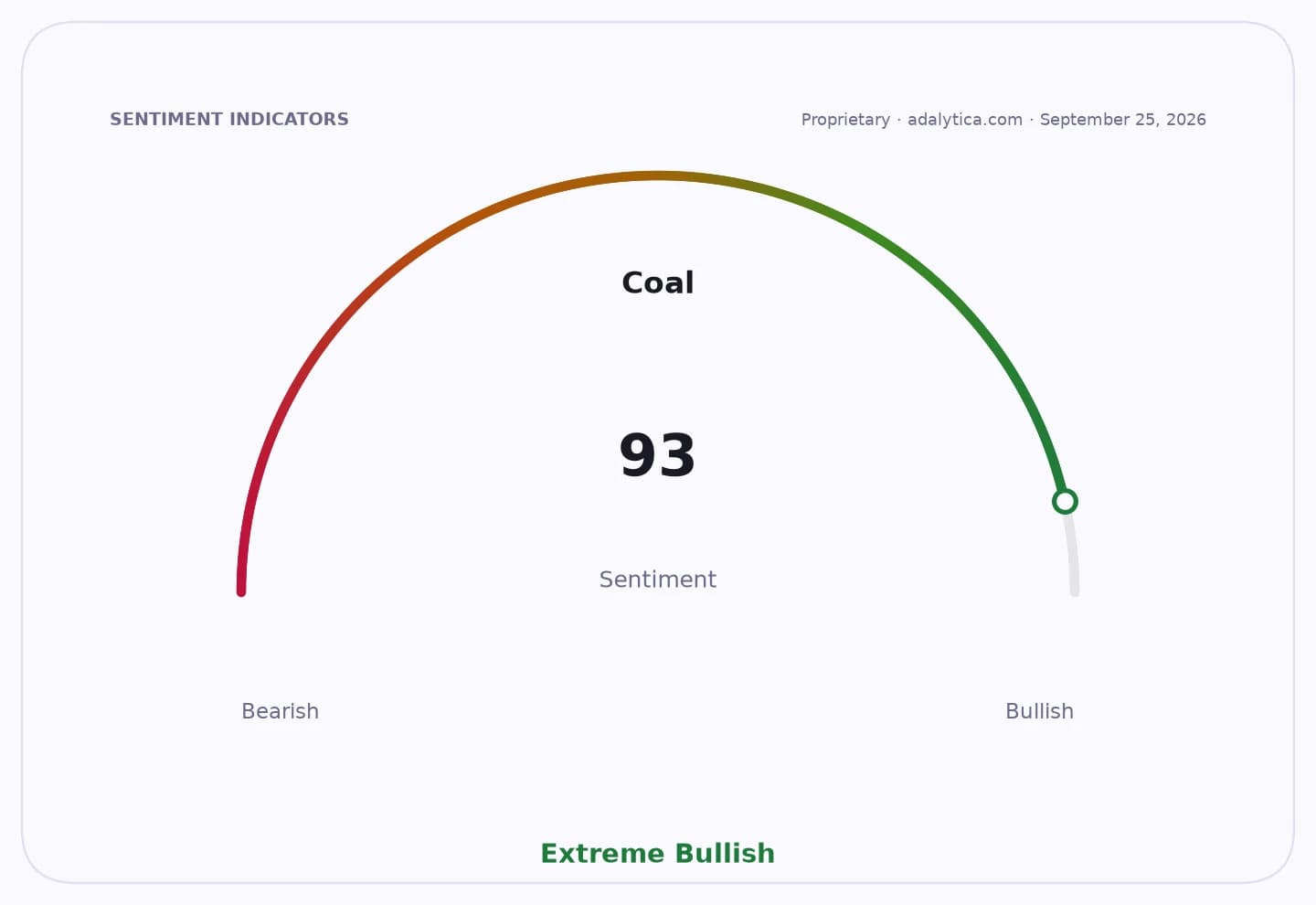
Sentiment IndicatorsⓘProprietary · adalytica.com · July 28, 2026
This is a snapshot — live sentiment, awareness and momentum for 130+ markets update continuously in the dashboard.Open AlphaPulse
The economic prize for Gabon is straightforward. Oligui Nguema needs capital that can arrive faster than multilateral reform programmes and with fewer political conditions than traditional Western financing. A state visit to Beijing could unlock pledges for roads, ports, power and extractive projects, all of which would support growth and help the government defend employment, fiscal revenue and social stability. If China signals support, it would also strengthen Gabon’s bargaining position with other creditors and investors by showing that Libreville has alternatives.
That matters because Gabon’s macro challenge is not just financing, but credibility. The country’s new leadership must show that political change after the 2023 takeover is translating into economic management, not just a reshuffling of elites. A successful China visit could help, particularly if it yields concrete commercial commitments rather than generic memoranda. But the bear case is that Beijing, having grown more selective on African lending, may prefer symbolic engagement to large new exposures, especially in a market where repayment prospects and governance remain under scrutiny.
Investors will be watching for three signals. First, whether the trip produces project-level commitments in mining, transport or energy rather than broad diplomatic language. Second, whether Chinese firms gain an expanded role in Gabon’s resource chain, which would boost local activity but could also deepen dependency on one external partner. Third, whether the visit improves Gabon’s financing outlook enough to support the sovereign’s medium-term credit profile and reduce pressure on foreign reserves and public spending.
The broader narrative is that Gabon is using China not just as a source of funding, but as leverage in a more multipolar contest for African influence. If Oligui Nguema can leave Beijing with tangible backing, he may gain room to stabilise the economy and accelerate investment. If he comes back with only promises, the market will treat the trip as political theatre rather than a turning point.
| Entity | Gains | Losses |
|---|---|---|
| Gabon government | ▲Financing options | ▼Western leverage |
| Chinese lenders/firms | ▲Resource access | ▼Higher credit risk |
| Local infrastructure sector | ▲Project pipeline | ▼Funding uncertainty |
| Rival investors/creditors | ▲— | ▼Strategic position |