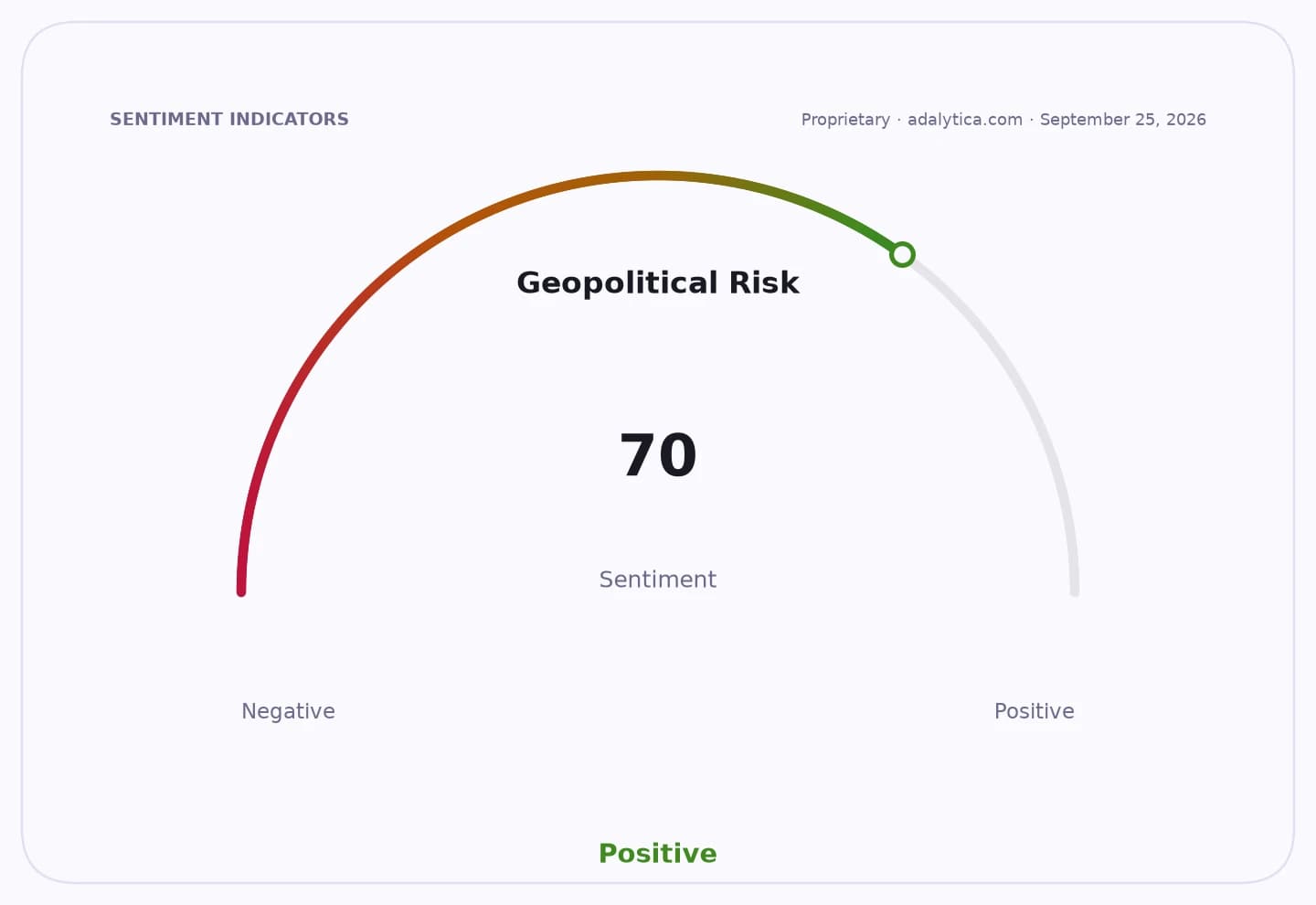
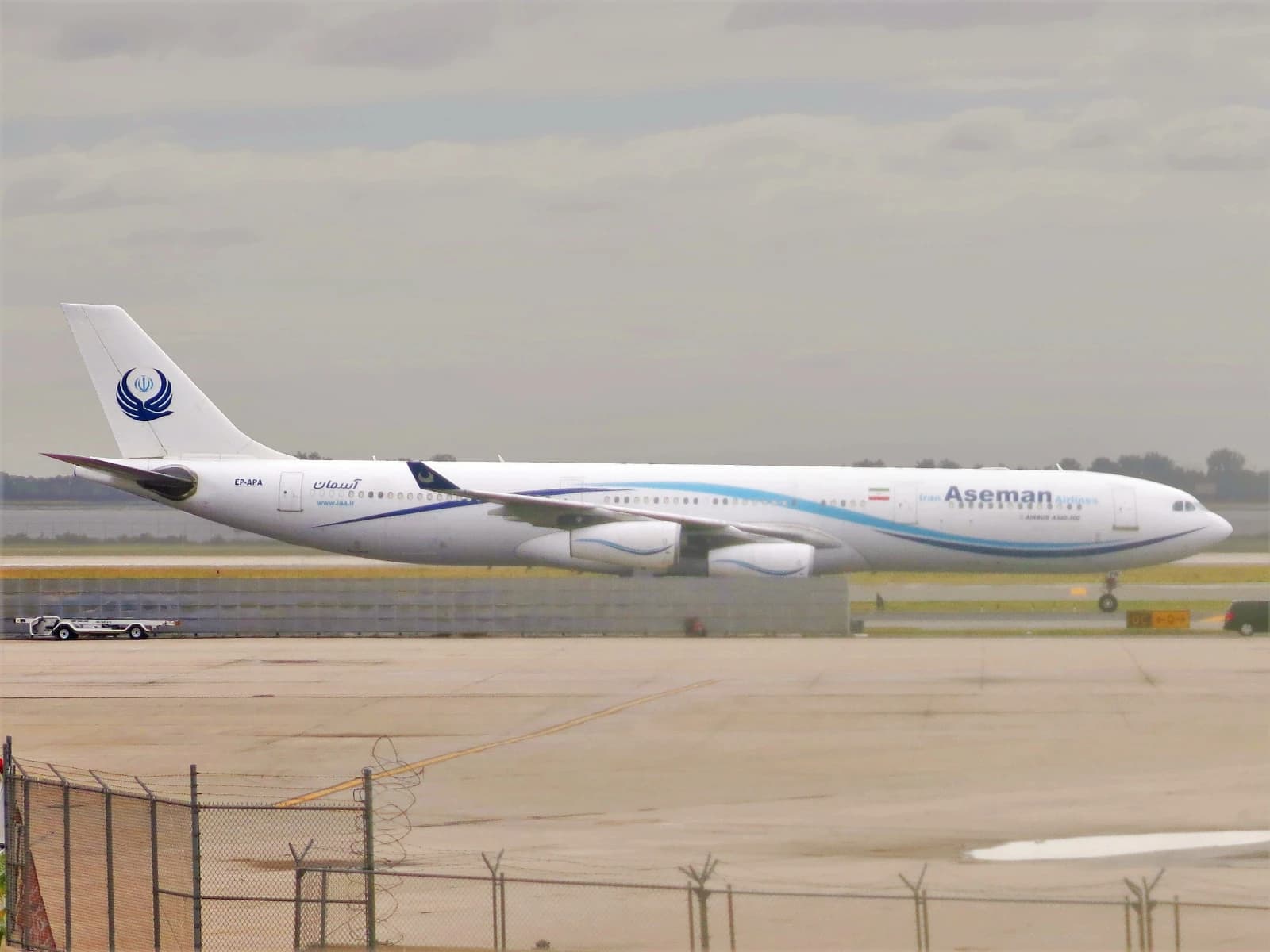
A federal filing shows the proposed Galveston LNG facility is being framed as a broader export project, underscoring how U.S. developers are trying to lock in supply-chain and shipping capacity just as global LNG prices jump on Middle East tensions.
Galveston LNG Gains Appeal as Global Prices Jump

The filing matters because it suggests the project is moving beyond a simple plant buildout into a wider commercial platform aimed at serving volatile overseas demand. For investors, that raises the strategic value of the project for partners and lenders, while also highlighting the scale of capital needed to compete in a market where buyers are increasingly paying up for supply security.
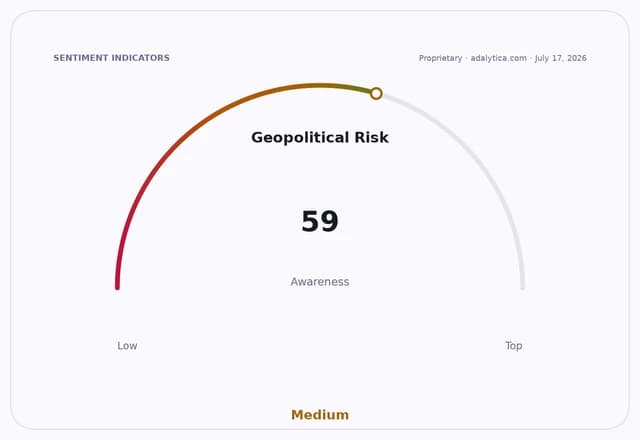
Sentiment IndicatorsⓘProprietary · adalytica.com · July 17, 2026
This is a snapshot — live sentiment, awareness and momentum for 130+ markets update continuously in the dashboard.Open AlphaPulse
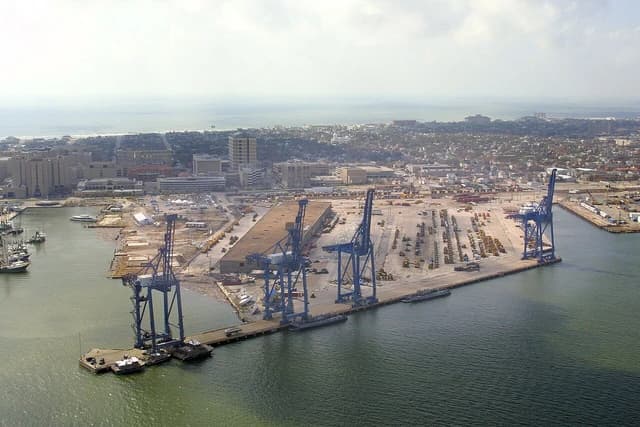
Asian LNG spot prices have surged 10% as tensions in the Strait of Hormuz threaten flows from the Middle East, pushing regional gas prices to a four-month high. That backdrop makes new U.S. export capacity more attractive, especially as buyers look to diversify away from riskier routes and as long-term contracting activity picks up across the sector.
The broader LNG market is already showing signs of that shift. Naftogaz and American Argent LNG have agreed on LNG supplies, while BGN secured a 20-year framework for 1 million tonnes a year from the Texas LNG export project. The arrival of the first U.S. LNG cargo in China since the tariff dispute also points to how cargoes can still move opportunistically even as trade and geopolitics distort normal flows.
Shares of Cheniere Energy Partners, tied to the Sabine Pass buildout, have been volatile alongside the sector’s capital-expansion cycle. CQP’s stock closed at $62.71 on July 16, above its 50-day moving average of $62.42 and 200-day average of $57.69, while Cheniere Energy rose to $259.00, well above its 50-day average of $242.71, with RSI readings near 71 suggesting the stock is still overbought by conventional technical measures.
The filing lands as Treasury yields and energy markets remain sensitive to growth and inflation signals, with the 10-year U.S. yield around 4.55% to 4.58% and West Texas Intermediate near $78 a barrel on the latest forecast. That combination keeps the cost of capital elevated even as LNG developers try to capitalize on a tighter global gas backdrop.
For investors, the key question is whether Galveston LNG can translate geopolitical urgency into binding contracts fast enough to justify the build. The next catalysts are additional federal disclosures, permitting steps, and any offtake announcements that would show whether the project is moving from concept to financeable export capacity.
| Entity | Gains | Losses |
|---|---|---|
| Galveston LNG backers | ▲Broader project scope | ▼Higher execution risk |
| LNG buyers abroad | ▲More supply options | ▼Less pricing leverage |
| U.S. exporters | ▲Stronger contracting case | ▼Bigger financing burden |
| Rival gas suppliers | ▲Tighter market support | ▼Share to new U.S. capacity |