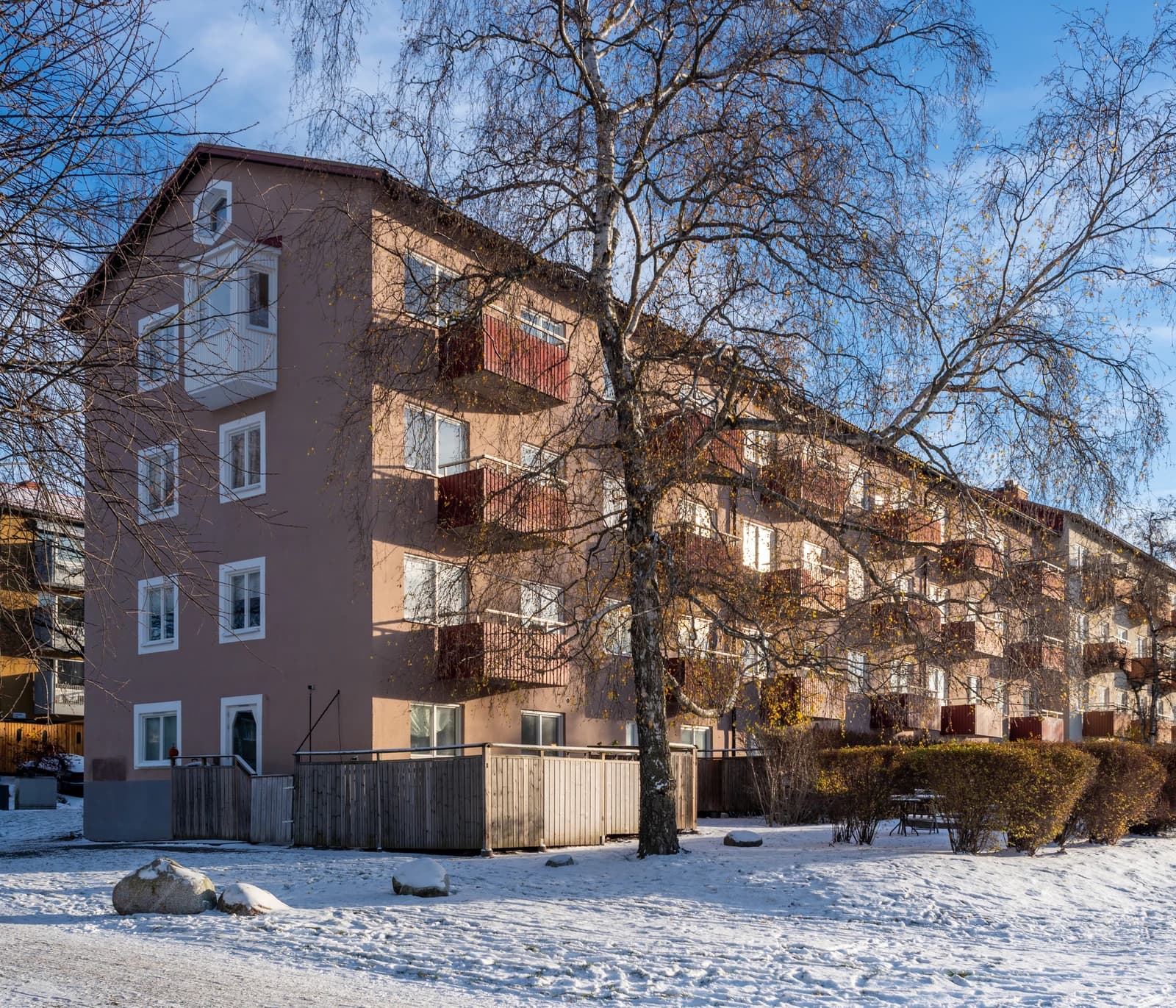
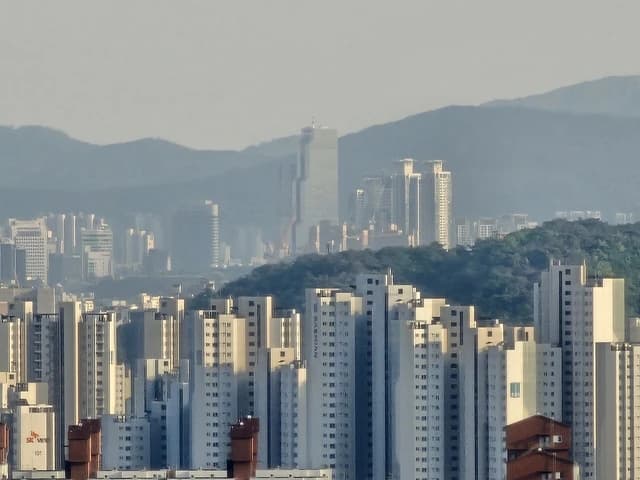
Gangnam’s housing market is back at the center of a policy and social backlash, as rising property taxes and tightening housing costs fuel a debate over whether only the “young and rich” can remain in Seoul’s most expensive district.
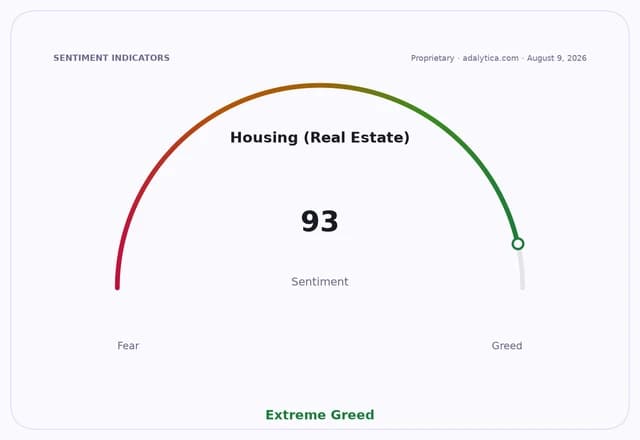
Gangnam housing taxes pressure Seoul market, XHB sentiment at 93
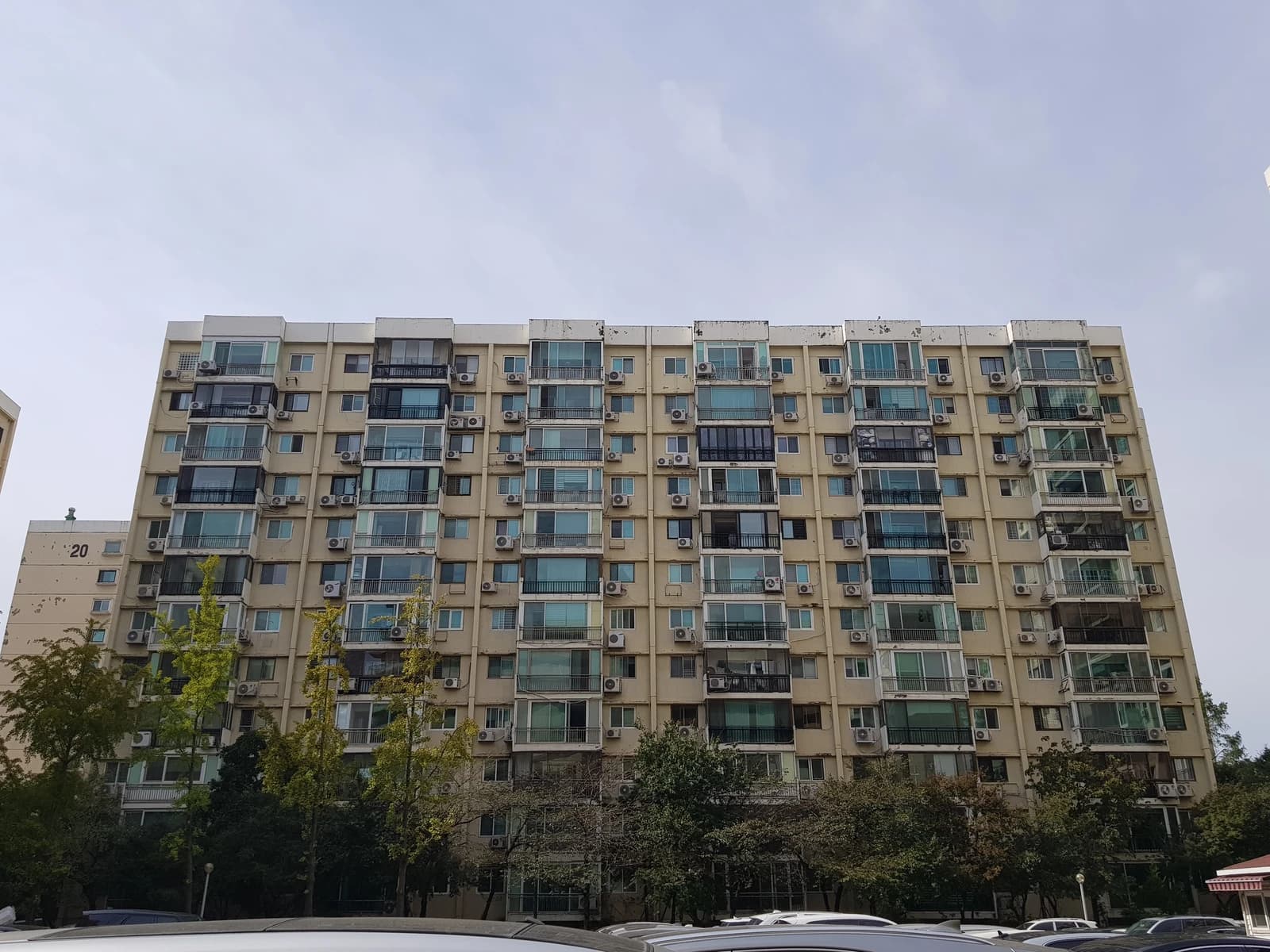
The controversy matters because Gangnam is not just a wealthy neighborhood but a pricing anchor for the broader Seoul housing market. When taxes, acquisition costs and financing burdens rise in the city’s premium districts, the effect ripples through homebuyer behavior, rental demand and political pressure on policymakers who are already wrestling with affordability, revenue needs and the optics of asset taxation.
Sentiment IndicatorsⓘProprietary · adalytica.com · August 9, 2026
This is a snapshot — live sentiment, awareness and momentum for 130+ markets update continuously in the dashboard.Open AlphaPulse
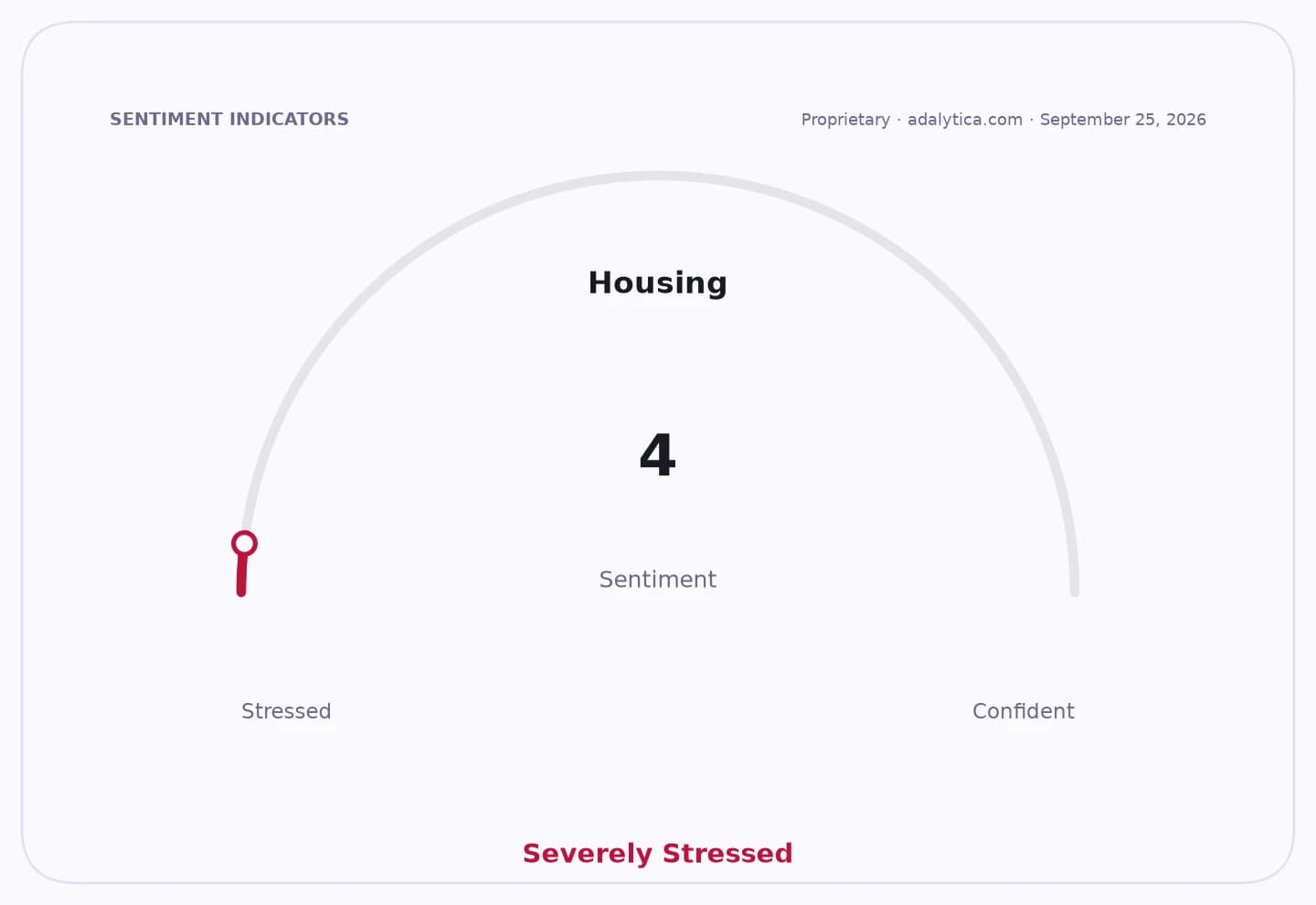
That tension is showing up in sentiment data. Adalytica’s Housing Fear & Greed Index for XHB is at 93, in “Extreme Greed,” while its Housing and Rent Inflation gauge reads 89, also “Extreme Greed,” with both measures near their highs after sharp increases over the past week. In practice, that suggests buyers and landlords are still pricing in continued housing scarcity and rent pressure even as the policy debate turns more heated.
For investors, the issue reaches beyond local politics. Higher taxes on high-value housing can restrain transaction volumes, pressure luxury residential valuations and shift demand toward lower-tax or lower-cost districts. They can also support rental inflation if would-be buyers are pushed out of ownership, which benefits landlords and developers with exposure to scarce urban supply but hurts first-time buyers and households already stretched by financing costs.
The market backdrop points to a broader split between housing winners and losers. South Korea’s homebuilders ETF EWY has stabilized around 166 after a steep late-July drop from above 210, while the China-focused FXI sits near 36, reflecting a different set of macro concerns but also underlining how quickly regional risk appetite can swing. KORP, a Korea-linked listing, has been comparatively flat around 46, suggesting the Gangnam tax debate is not yet driving a broad re-rating, but it is enough to keep housing policy on investors’ radar.
Technically, XHB’s extreme sentiment reading often comes at a point when expectations are already crowded. That does not mean an immediate reversal is due, but it does imply less room for policymakers to surprise markets with harsher tax measures without triggering resistance from homeowners and developers. Conversely, any softening of tax pressure or expansion of supply could cool the political backlash and ease transaction bottlenecks.
The core narrative is simple: Gangnam has become a symbol of a housing market where wealth, taxation and access are increasingly intertwined. If policymakers lean harder on property taxes to address revenue and fairness concerns, the likely winners are local governments and owners of hard-to-replace assets; the losers are marginal buyers, middle-income households and developers exposed to reduced turnover. Investors will be watching whether the debate stays rhetorical or becomes a real constraint on Seoul residential pricing.
| Entity | Gains | Losses |
|---|---|---|
| Local governments | ▲Higher tax revenue | ▼Political goodwill |
| Existing Gangnam owners | ▲Asset scarcity support | ▼Higher carrying costs |
| Developers / landlords | ▲Rent demand, scarcity premium | ▼Transaction volumes |
| First-time buyers / middle-income households | ▲— | ▼Affordability, access |