Garudafood is choosing to protect margins before forcing price hikes on consumers, and that tells investors the inflation squeeze in packaged food is still very much alive. For a company like GOOD, where pricing is the last lever pulled, the message is clear: input costs are biting hard enough that the market may be underestimating how long food producers can absorb them.
Garudafood Prioritizes Margins Over Price Hikes
That matters economically because food inflation is one of the fastest ways cost pressure travels through an economy. When commodity and packaging costs rise, manufacturers either eat the hit, cut volume, or pass it on. Good’s reluctance to raise prices suggests the first two options are being exhausted, not the inflation problem itself. U.S. producer and consumer price data show the broader backdrop has not gone away: headline CPI is still running well above pre-pandemic norms, while producer prices continue to point to sticky upstream pressure. In food, where raw materials, freight and energy are all sensitive to global shocks, there is little room for complacency.
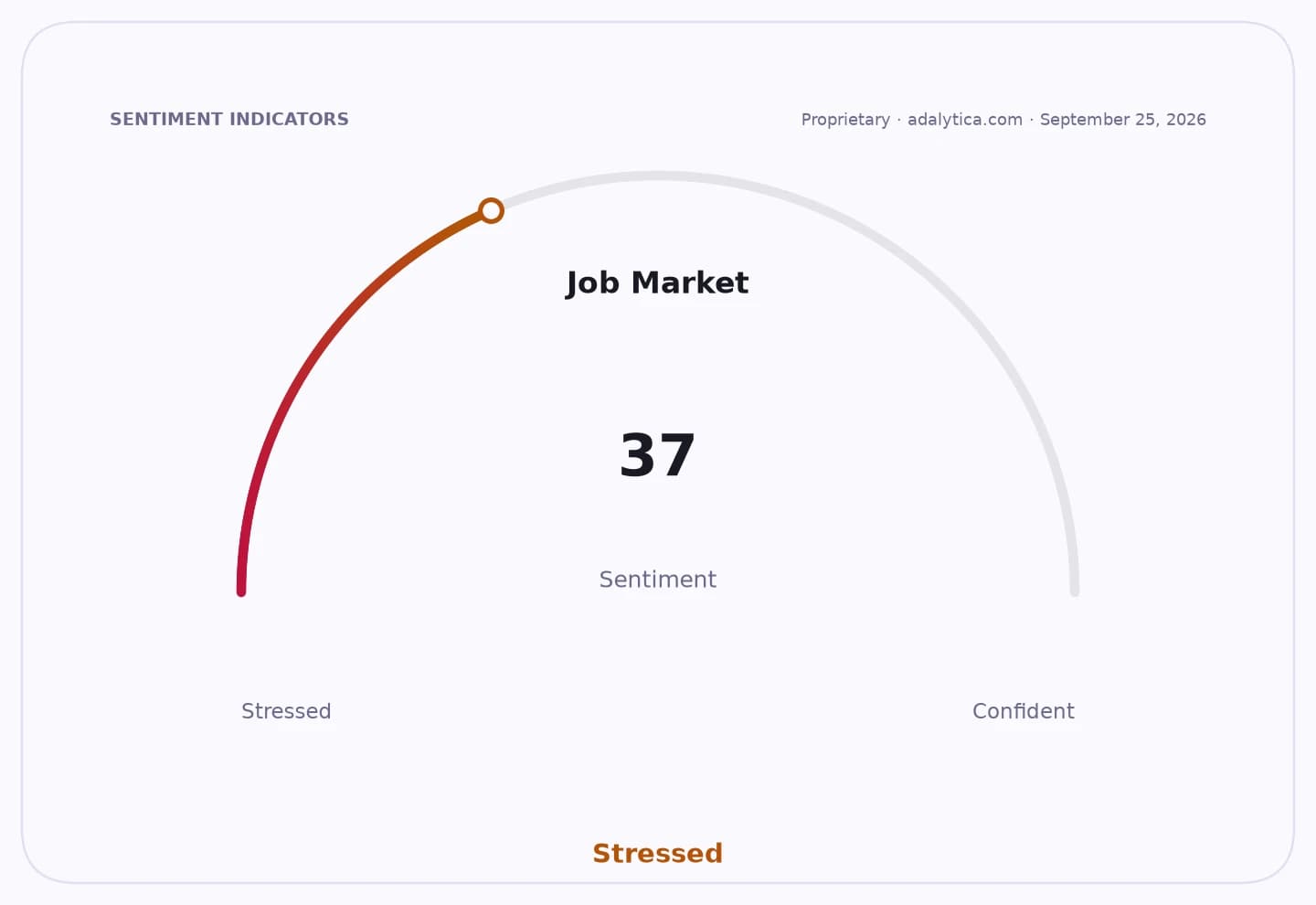
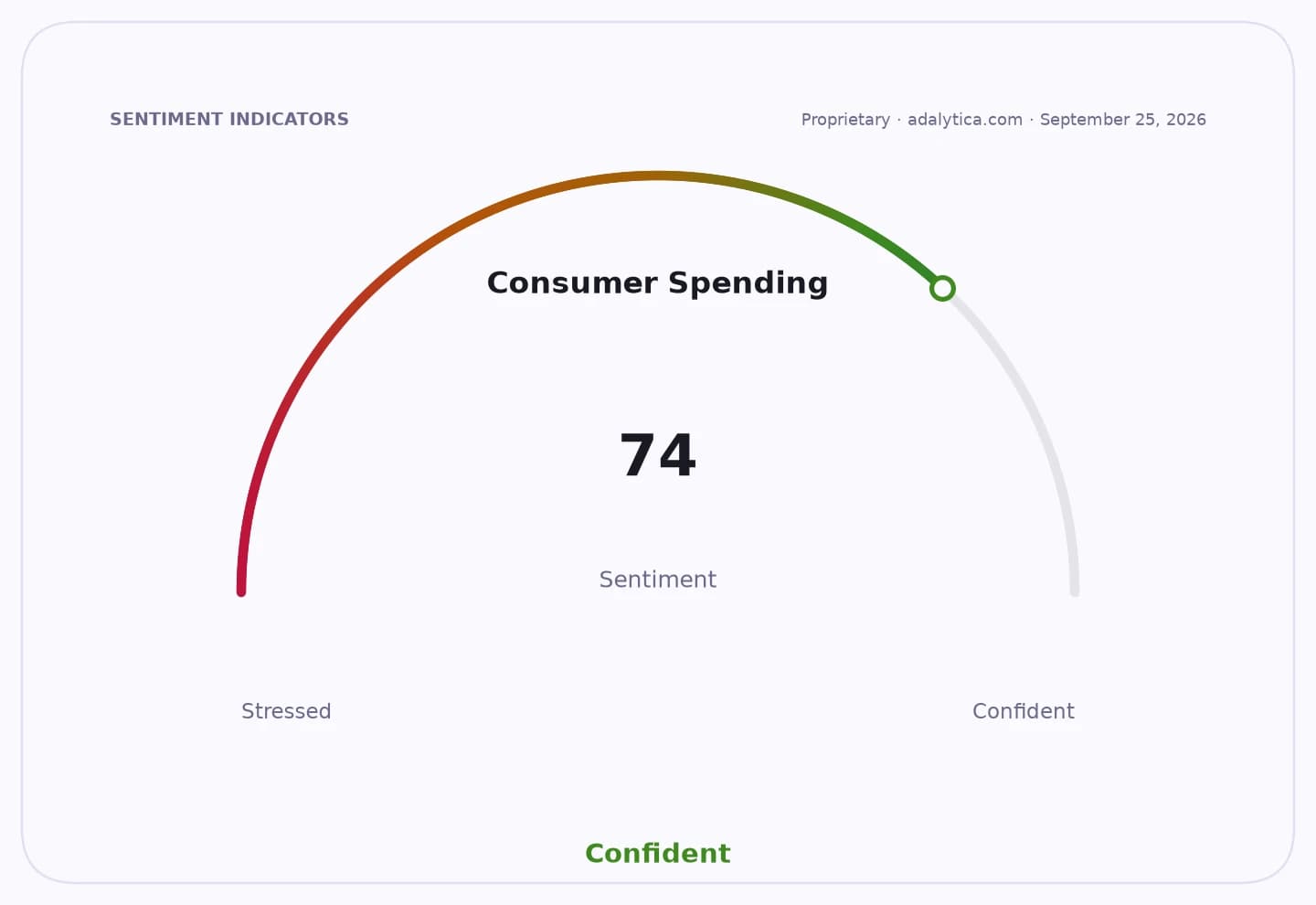
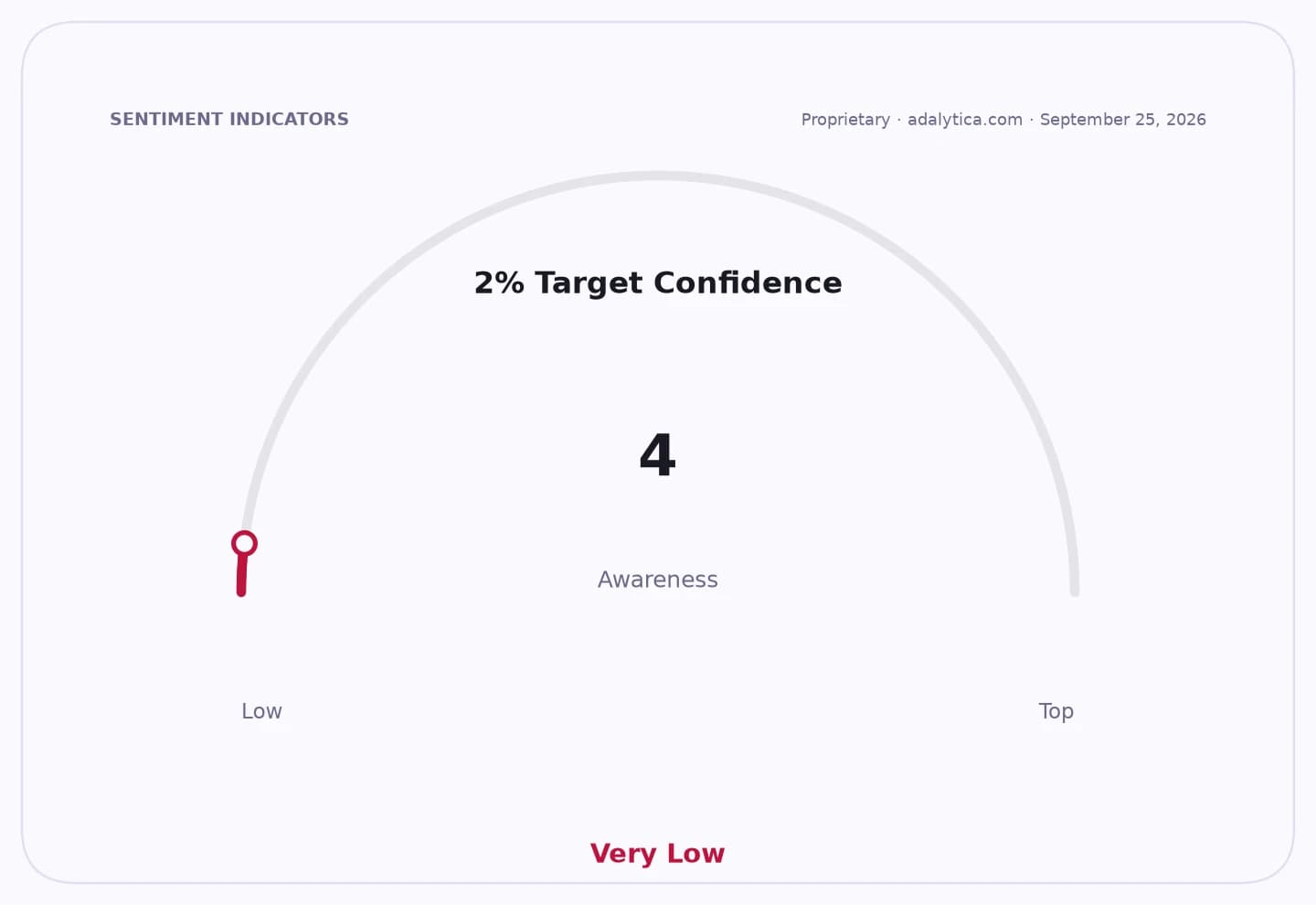
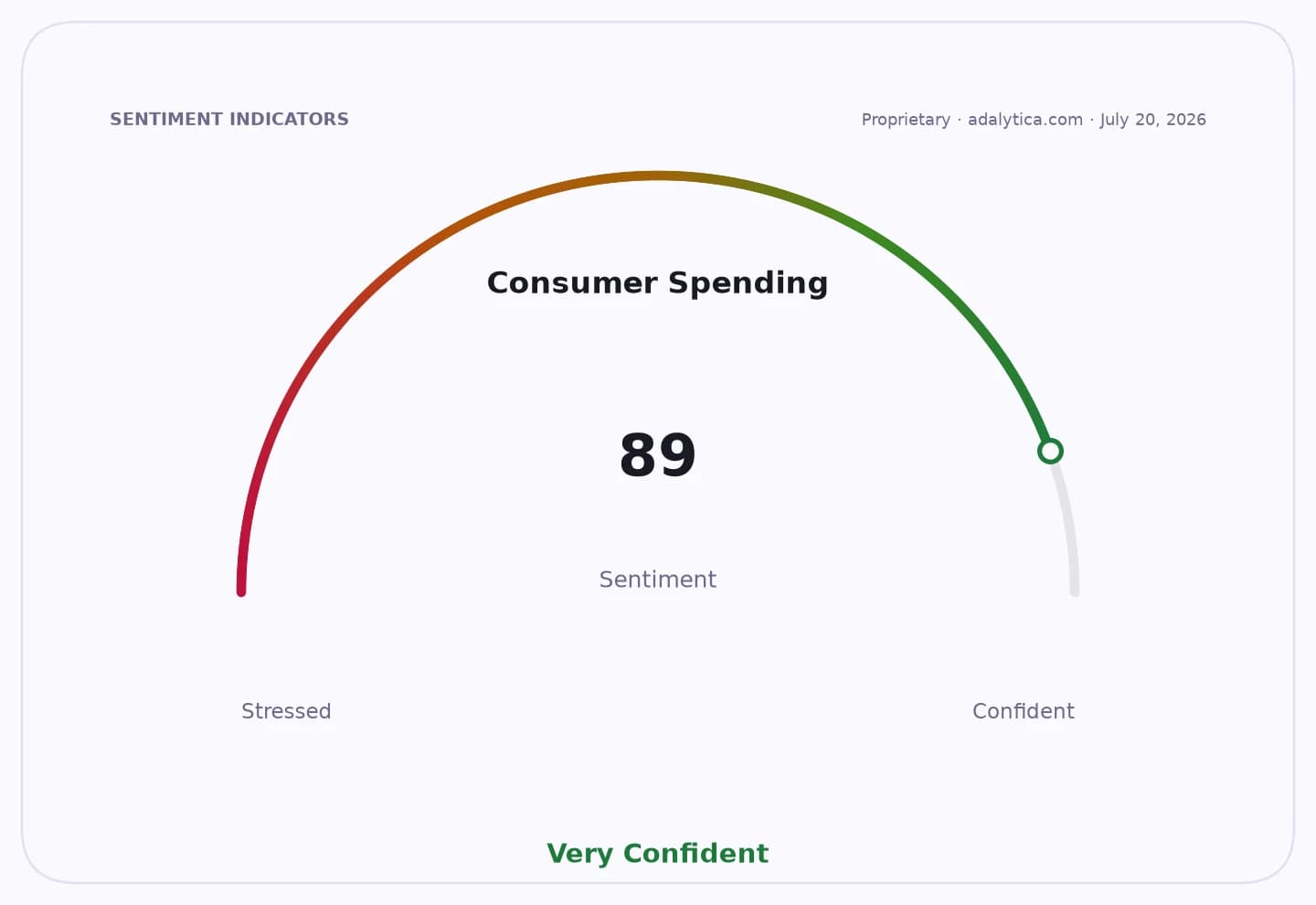
Sentiment IndicatorsⓘProprietary · adalytica.com · July 20, 2026
This is a snapshot — live sentiment, awareness and momentum for 130+ markets update continuously in the dashboard.Open AlphaPulse
The investor implication is straightforward: this is a margin story before it is a top-line story. If Garudafood keeps prices steady, earnings leverage depends on cost relief that may not arrive quickly. If it eventually lifts prices, volume risk rises. That is why the market tends to reward companies with pricing power and punish those trapped between inflation and consumer sensitivity. Packaged food names across the sector have been saying the same thing in their filings: inflation, tariffs, supply chain costs and commodity volatility remain a persistent threat to profitability.
The recent price action reflects that tension. GOOD has rebounded sharply from its lows, with the stock now trading above both its 50-day and 200-day moving averages and the RSI showing momentum has recovered. But the move looks more like a relief rally than a clean earnings reset. In other words, the chart is improving faster than the cost environment. That creates an opportunity for investors to separate the true winners from the companies merely delaying pain.
Our thesis is that the market underestimates the second-order winners from food inflation. Not every packaged-food company should be chased. The better asymmetric trade is in businesses with stronger pricing power, scale in procurement, or exposure to ingredients, logistics and automation that benefit from a persistent inflation regime. For Garudafood, the key question is whether it can defend share without surrendering margin. For the sector, the key question is whether cost inflation becomes entrenched enough to force broader price increases.
What happens next is critical. If food and input inflation stay elevated, companies like GOOD will eventually have to choose between margin compression and price action. Either way, investors should expect more volatility in consumer staples earnings and a widening gap between brands that can pass through costs and those that cannot. The most attractive positioning now is not in the weakest margin absorbers, but in the toll roads of the inflation chain.
| Entity | Gains | Losses |
|---|---|---|
| Garudafood pricing power | ▲Preserved margins | ▼Near-term volume risk |
| Input suppliers | ▲Higher realized pricing | ▼Consumer resistance |
| Consumers | ▲No immediate sticker shock | ▼Lower purchasing power |
| Pricing-power peers | ▲Better relative earnings | ▼Low-margin food makers |